
Rodent control across Hertfordshire
Fast, effective treatment for rats and mice — with proofing and long-term prevention to keep them out. Discreet service for homes and businesses.
- Treatment for rats, mice and squirrels
- Discreet visits for homes and businesses
- Entry-point proofing to stop them coming back
- Safe placement around children and pets
- Clear reports and aftercare advice
Which rodent do you have?
Each species needs a different approach. Open the dedicated page for treatment detail, proofing advice and a brief history of the species in Britain.
Our rodent control process
Inspection
We identify the species, activity hotspots and likely entry points around your property.
Treatment
Targeted control using the most appropriate methods for your situation, monitored across follow-up visits.
Proofing
We seal access points and advise on prevention so rodents don't return.
Common rodents in Hertfordshire
Understanding the habits and risks of each species helps us target treatment effectively. Here is what you need to know about rats, mice and squirrels.
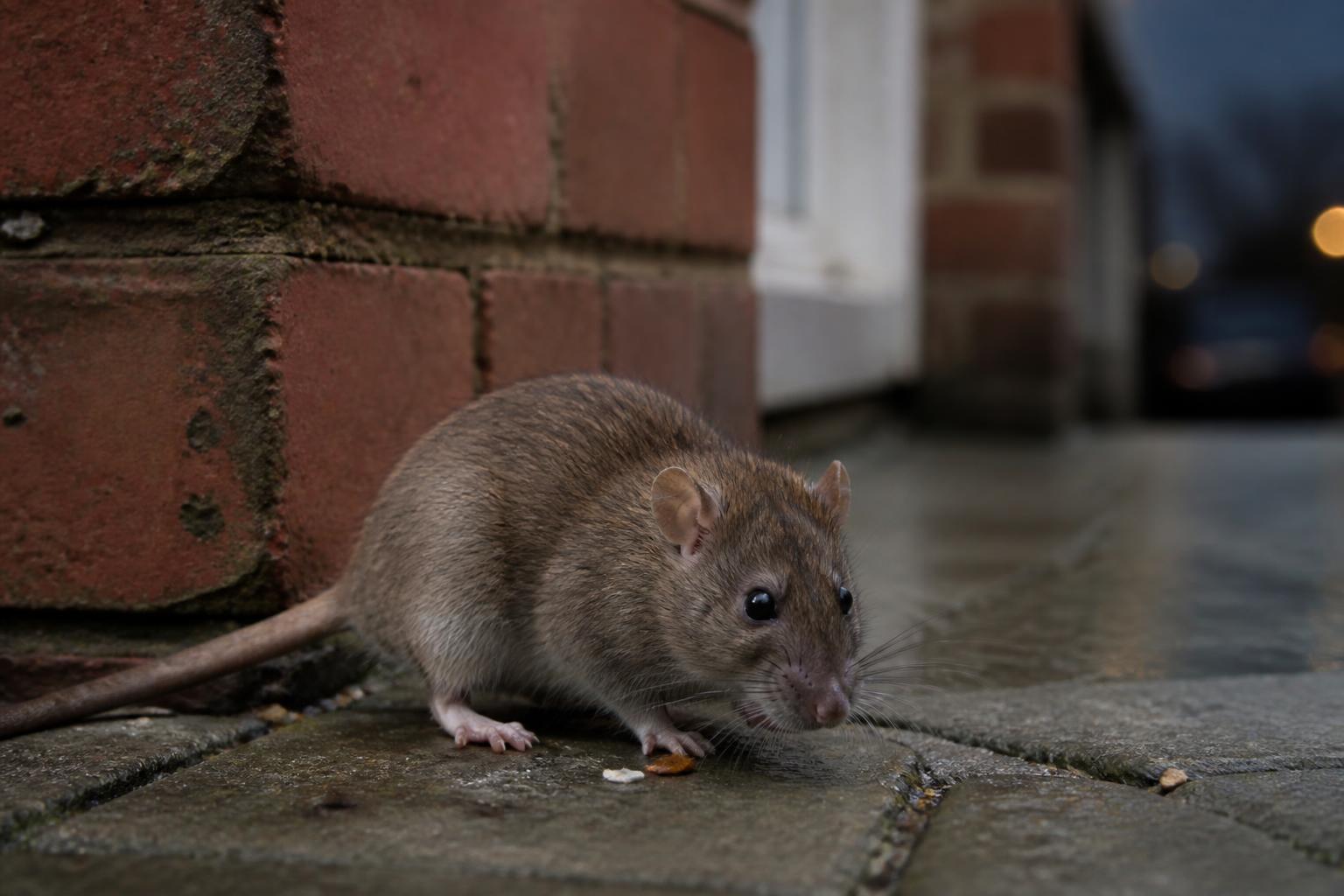
Rats
Brown rats & black rats
Habits & behaviour
- Nocturnal and cautious — they follow the same routes along walls and pipes
- Excellent climbers and swimmers; can enter through sewers, drains and gaps under doors
- Need to gnaw constantly to keep their teeth from overgrowing
- Live in burrows, wall cavities, loft spaces and under decking or sheds
- Produce 5–10 litters per year, with up to 12 young per litter
Damage & risks
- Gnaw through wood, plastic, brickwork and even soft metal to gain entry
- Chew electrical wiring, creating serious fire risks in lofts and cavities
- Contaminate food stores, surfaces and utensils with urine and droppings
- Spread Weil's disease, salmonella and other harmful pathogens
- Undermine foundations, paths and decking with extensive burrow systems
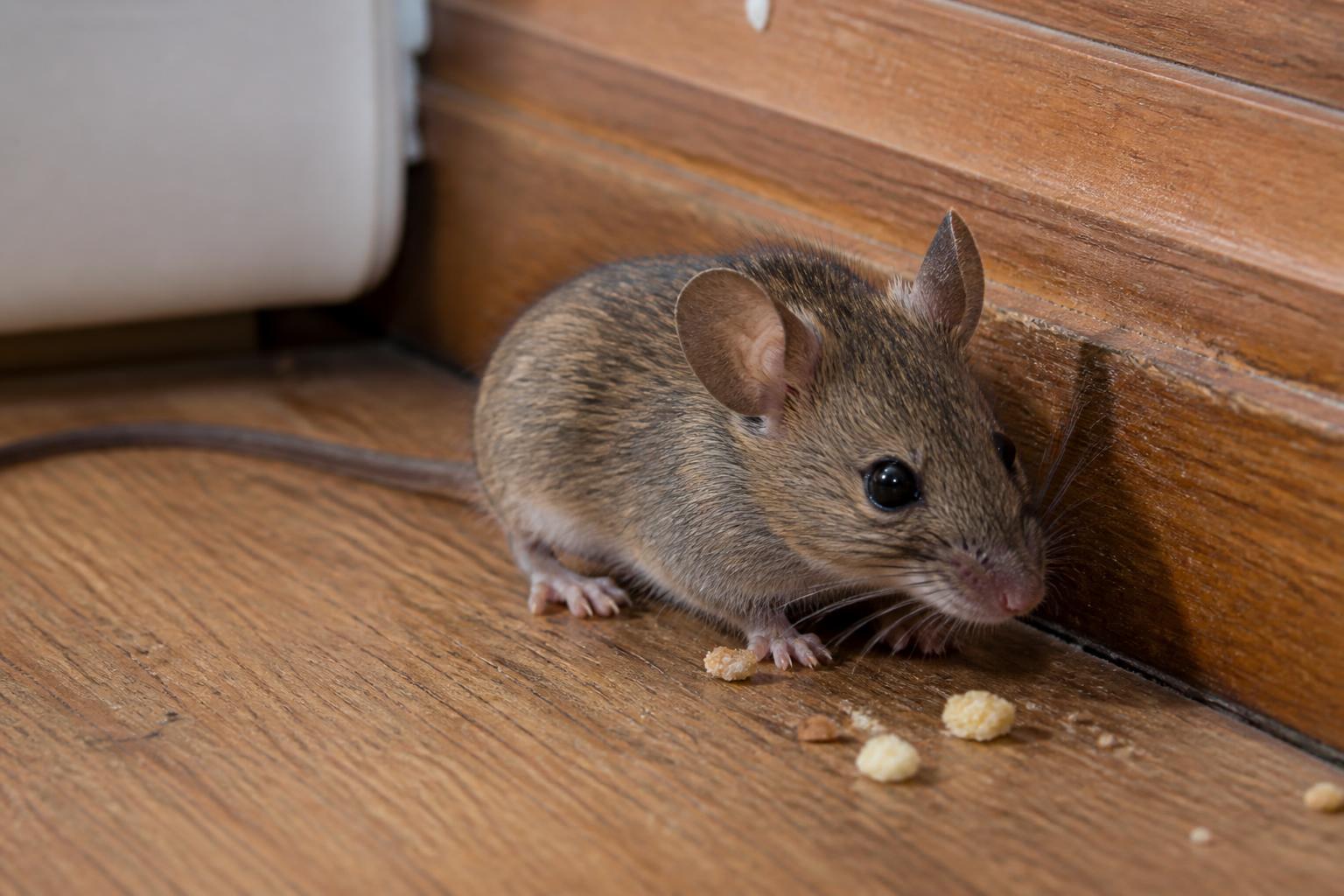
Mice
House mice & field mice
Habits & behaviour
- Inquisitive and agile — can squeeze through gaps as small as 6 mm
- Prefer warm, quiet spaces such as kitchens, lofts and behind appliances
- Leave 50–80 droppings per night along their regular travel paths
- Nest using shredded paper, fabric, insulation and other soft materials
- Breed rapidly; a single pair can produce hundreds of offspring in a year
Damage & risks
- Gnaw through packaging and food containers in cupboards and pantries
- Chew wiring, causing appliance failures and potential electrical fires
- Damage insulation, plasterboard and wooden structures while nesting
- Spread diseases including hantavirus, salmonella and lymphocytic choriomeningitis
- Create unpleasant odours and attract other pests through urine trails
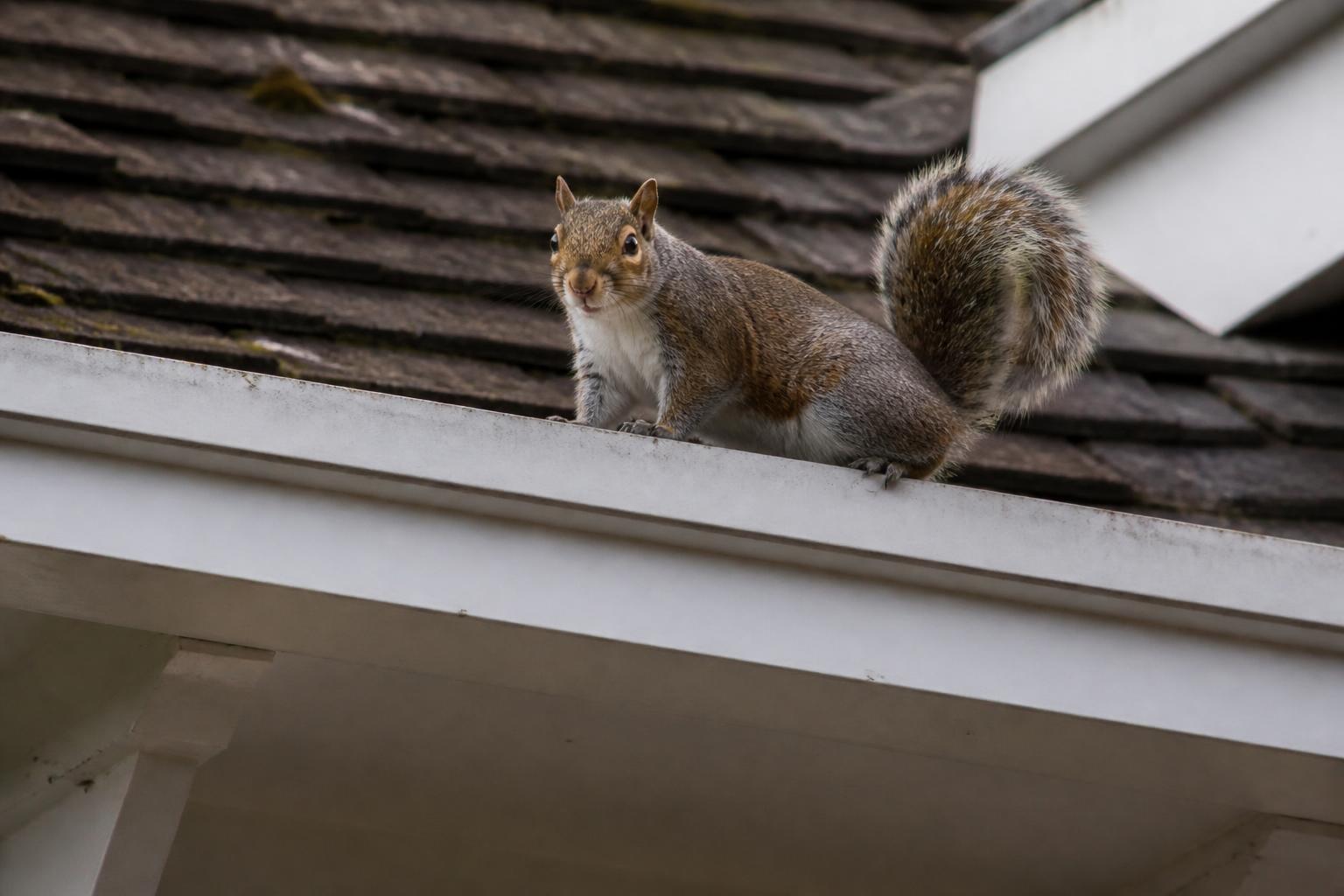
Squirrels
Grey squirrels
Habits & behaviour
- Active during daylight, especially early morning and late afternoon
- Excellent climbers that access roofs via overhanging branches and telephone wires
- Chew their way into lofts and soffits to build warm, dry dreys (nests)
- Store large quantities of nuts and seeds in wall cavities and insulation
- Highly territorial — once established, they are difficult to dislodge
Damage & risks
- Chew through roof timbers, fascia boards and soffits to create entry holes
- Strip electrical wiring completely bare, creating severe fire hazards
- Destroy loft insulation by shredding it for nesting material
- Damage water pipes and tanks, leading to leaks and costly repairs
- Introduce fleas and ticks into the home; their noise can disturb sleep
Rodent Proofing Checklist
Effective proofing is the most important long-term solution for preventing rodent infestations. We seal, mesh and secure every access point using professional-grade materials.
External Proofing
- ☐Seal gaps around pipes entering the property
- ☐Fit wire mesh to air bricks and vents
- ☐Repair damaged brickwork
- ☐Seal holes in external walls
- ☐Fit bristle strips to garage doors
- ☐Install door sweeps on external doors
- ☐Repair damaged soffits and fascias
- ☐Cover drain openings where appropriate
- ☐Install rodent guards on drainage systems
- ☐Repair broken air vents
- ☐Seal gaps around utility cables
- ☐Trim vegetation touching buildings
- ☐Remove ivy growing up walls
- ☐Cut back overhanging tree branches
- ☐Store firewood away from buildings
Internal Proofing
- ☐Seal gaps under kitchen units
- ☐Proof around boiler pipework
- ☐Seal holes behind appliances
- ☐Proof around electrical cable entries
- ☐Install mesh behind kickboards
- ☐Seal loft access points
- ☐Proof service risers and ducting
- ☐Seal gaps around internal pipe runs
- ☐Repair damaged floorboards
- ☐Seal wall void access points
Loft & Roof Areas
- ☐Inspect loft insulation for rodent activity
- ☐Seal eaves entry points
- ☐Proof around roof vents
- ☐Repair broken roof tiles
- ☐Install mesh to loft ventilation points
- ☐Check chimney voids
- ☐Seal gaps around solar panel cable entries
Garden & Outbuildings
- ☐Proof sheds and summerhouses
- ☐Seal gaps under shed bases
- ☐Fit metal mesh to outbuilding vents
- ☐Secure compost bins
- ☐Store animal feed in sealed containers
- ☐Remove clutter and harbourage
- ☐Elevate stored materials off the ground
- ☐Proof decking voids where required
Hygiene & Prevention
- ☐Remove accessible food sources
- ☐Store food in sealed containers
- ☐Clean spillages promptly
- ☐Secure refuse bins
- ☐Remove bird food at night
- ☐Manage fallen fruit from trees
- ☐Regularly inspect for new proofing defects
Common Proofing Materials
- Stainless steel wire wool
- Rodent-proof expanding foam
- Galvanised steel mesh
- Welded wire mesh
- Aluminium kick plates
- Door brush strips
- Stainless steel vent covers
- Concrete mortar
- Sheet metal flashing
Proofing Note
A hole as small as 6 mm can allow a mouse entry, while a rat can squeeze through openings of approximately 15–20 mm. Effective proofing is often the most important long-term solution for preventing rodent infestations.
Frequently asked questions
Common questions our customers ask about rodent control.