
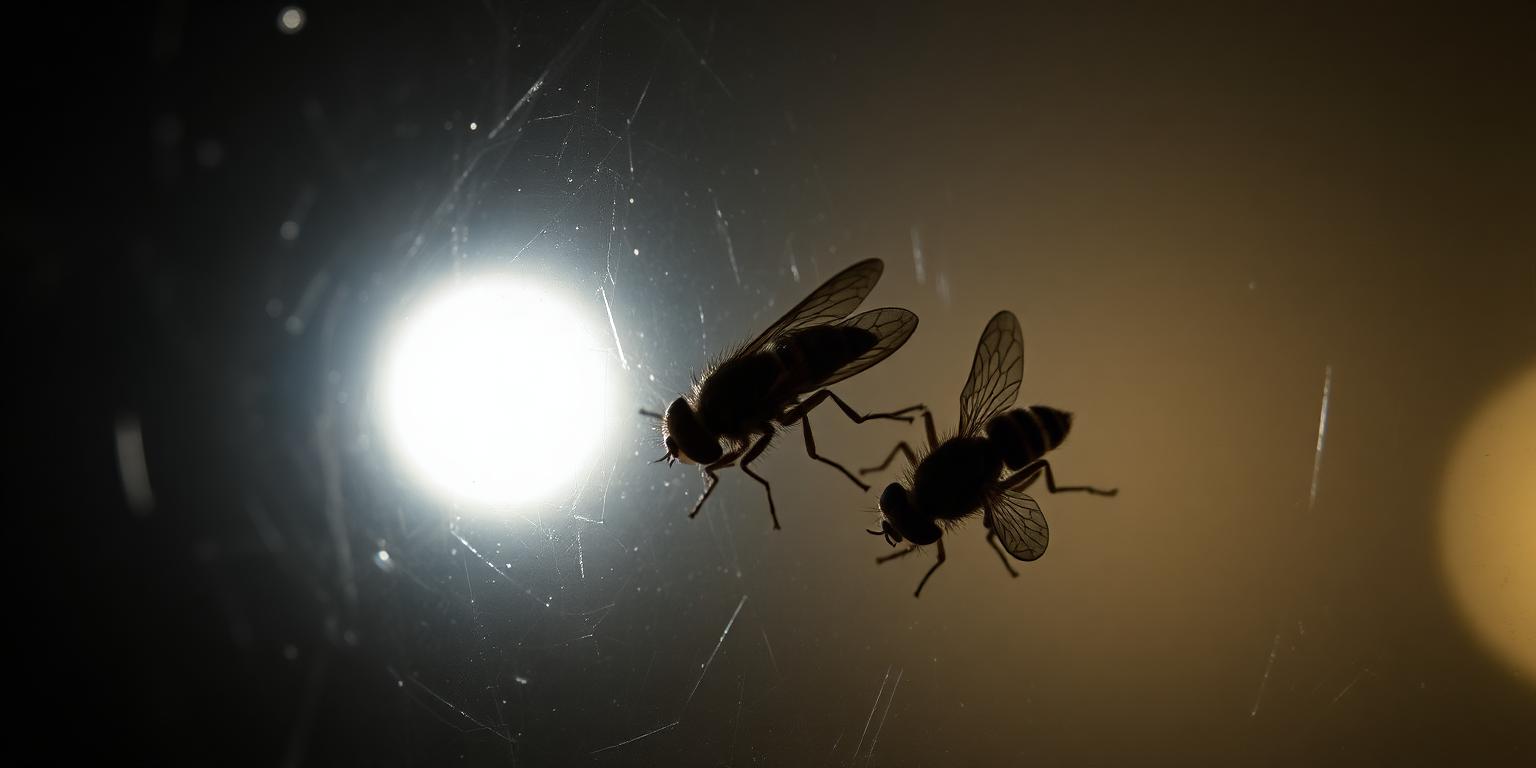
Fly control across Hertfordshire homes and commercial kitchens
Fly control

Fly control in Hertfordshire

From a single bluebottle in the kitchen to overwintering cluster flies in the loft, we identify and treat every common UK fly species — for homes, restaurants and food businesses across Hertfordshire.

Common UK flies we treat

Click any species for our full fly treatment overview, or call for a same-day visit.

House Fly

6–7 mm
Musca domestica
Where you find them
Kitchens, bins, food waste, animal housing.
Why it matters
Carries pathogens between waste and food surfaces — major concern for food businesses.
How we treat it
Source removal, residual surface sprays and EFK (electric fly killer) units.
Full fly treatment details

Lesser House Fly

5–6 mm
Fannia canicularis
Where you find them
Lofts, porches and outbuildings — hovers in mid-air in still rooms.
Why it matters
Persistent indoor nuisance, often appearing in late spring and autumn.
How we treat it
Identify breeding source (often loft insulation or nearby poultry), space treatment and proofing.
Full fly treatment details

Bluebottle (Blow Fly)

10–14 mm
Calliphora vomitoria
Where you find them
Around dead animals, meat, bins and drains.
Why it matters
Loud, slow flier — a single bluebottle indoors often signals a hidden carcass (mouse, bird, etc.).
How we treat it
Locate and remove the source, knock-down spray, then proof entry points.
Full fly treatment details

Greenbottle

10–14 mm
Lucilia sericata
Where you find them
Outdoors in summer — bins, compost and faeces; common in gardens.
Why it matters
Rapid breeding in waste, can trigger strikes on livestock.
How we treat it
Waste management advice, residual sprays around bin stores.
Full fly treatment details

Cluster Fly

7–9 mm
Pollenia spp.
Where you find them
Large numbers in lofts and roof voids during autumn and winter.
Why it matters
Overwintering swarms that re-emerge on warm days — common in older Hertfordshire homes.
How we treat it
Loft fogging, ULV (ultra-low volume) treatments and proofing of access points.
Full fly treatment details

Fruit Fly

2–4 mm
Drosophila spp.
Where you find them
Around ripe fruit, beer lines, bin areas and recycling.
Why it matters
Breeds in tiny amounts of residue — endemic in pubs, bars and kitchens.
How we treat it
Deep clean of beer lines and drains, bioenzyme treatment, sticky monitors.
Full fly treatment details

Drain Fly (Filter Fly)

2–5 mm
Psychoda spp.
Where you find them
Sink, shower and floor drains — anywhere with organic sludge.
Why it matters
Furry, moth-like flies that appear in bathrooms and commercial kitchens overnight.
How we treat it
Mechanical drain cleaning followed by bioenzyme dosing; residual spray to surrounds.
Full fly treatment details

Fungus Gnat

2–4 mm
Sciaridae
Where you find them
Houseplant compost and over-watered planters.
Why it matters
Tiny black flies that hover around windows and plants; weak fliers but persistent.
How we treat it
Let compost dry out, top-dress with grit, biological controls; chemical rarely needed.
Full fly treatment details

Horse Fly (Cleg)

10–25 mm
Tabanidae
Where you find them
Damp pasture and woodland edges across Hertfordshire in summer.
Why it matters
Females deliver a painful bite to humans and livestock.
How we treat it
Habitat advice and personal protection — no insecticidal treatment for outdoor populations.
Full fly treatment details

Flesh Fly

10–14 mm
Sarcophagidae
Where you find them
Bins, carrion and decaying matter.
Why it matters
Larviparous (deposits live larvae) — infestations escalate quickly.
How we treat it
Source removal, residual treatment, EFK units in commercial settings.
Full fly treatment details

Phorid Fly (Coffin Fly)

2–3 mm
Megaselia scalaris
Where you find them
Drains, broken sewer pipes and decaying organic matter beneath floors.
Why it matters
Often a warning sign of a drain or sub-floor breach — common cause of persistent kitchen flies.
How we treat it
Drainage survey, drain repairs where needed, bioenzyme treatment and monitoring.
Full fly treatment details

Autumn Fly

5–7 mm
Musca autumnalis
Where you find them
Cattle pasture and nearby buildings; clusters on south-facing walls in autumn.
Why it matters
Enters rural and edge-of-town homes in large numbers to overwinter.
How we treat it
Exterior residual sprays before entry, loft and void treatments after entry.
Full fly treatment details

How our fly treatments work

Identify the species

Correct ID is the single biggest factor in getting fly control right — the treatment for cluster flies, drain flies and fruit flies are completely different.

Treat the source

We trace and remove or treat the breeding source — drains, waste areas, lofts, planters or animal housing — before knocking down the adults.

Proof and prevent

Fly screens, EFK units, drain dosing and ongoing monitoring keep populations down through summer and autumn.

  • Fly identification surveys for homes and businesses
  • Drain and beer-line treatment for fruit and drain flies
  • Loft fogging for cluster and autumn flies
  • EFK (electric fly killer) installation and servicing
  • Proofing — fly screens, door brushes and air curtains
  • Audit-ready reports for food businesses and EHO visits

Ask any question about flies

Type a question below and our AI assistant will answer instantly — no waiting, no forms.

Flies: seasonal advice & guides

Got a fly problem? Book a visit today.

25,711 page views
Loading page views…
Call NowWhatsApp