
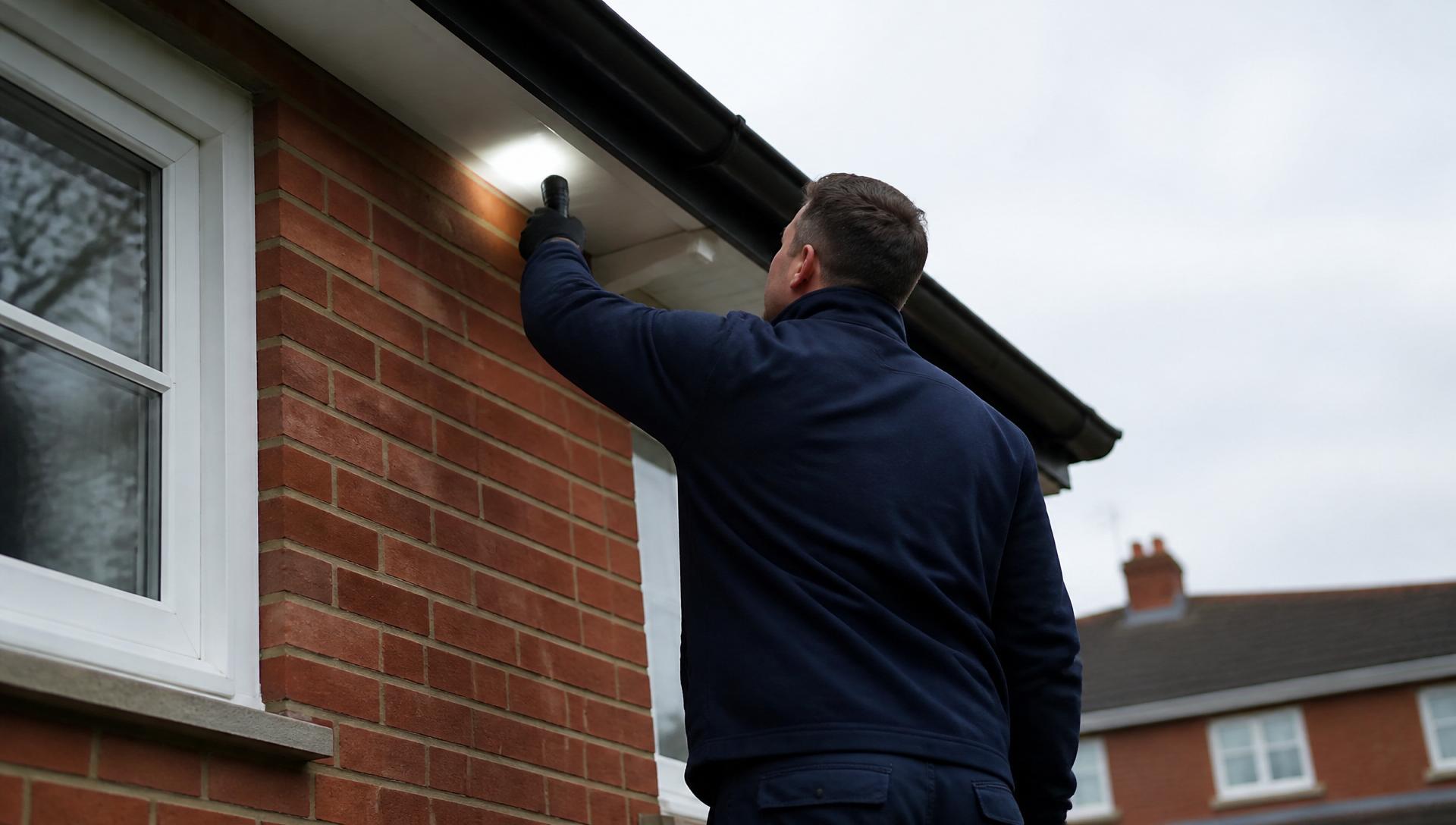
The HPE Species Library
Every pest we treat in Hertfordshire, documented properly.
Identification, seasonal activity, signs, health and property risks, honest myth-busting and exactly how each species is treated — written by the technicians who deal with them.
Active in Hertfordshire this month
Rodents
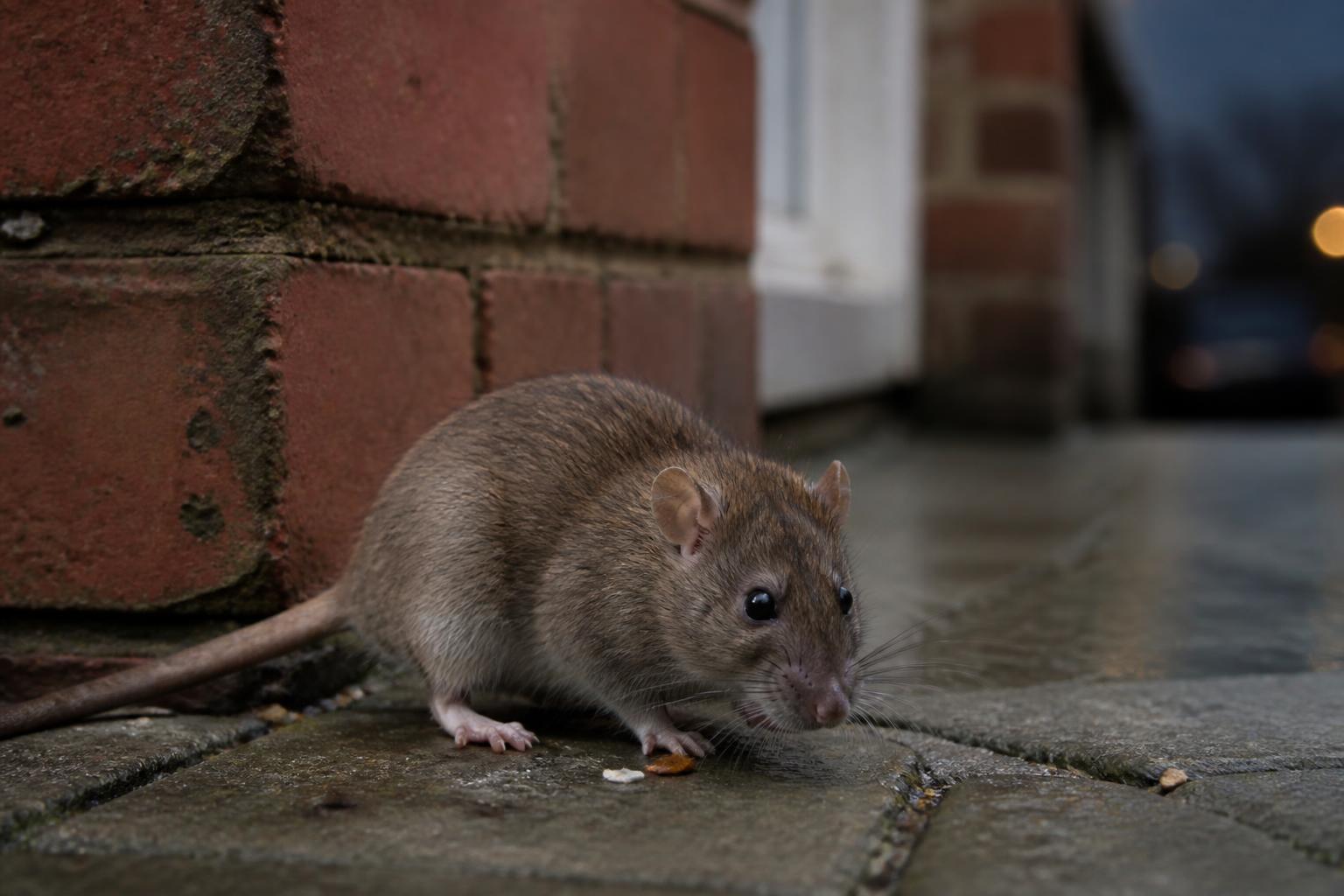
Brown rat
Rattus norvegicus
The UK's most common commensal rodent — an adaptable burrowing mammal that follows drains, food waste and warmth into Hertfordshire homes and businesses.
Read the profile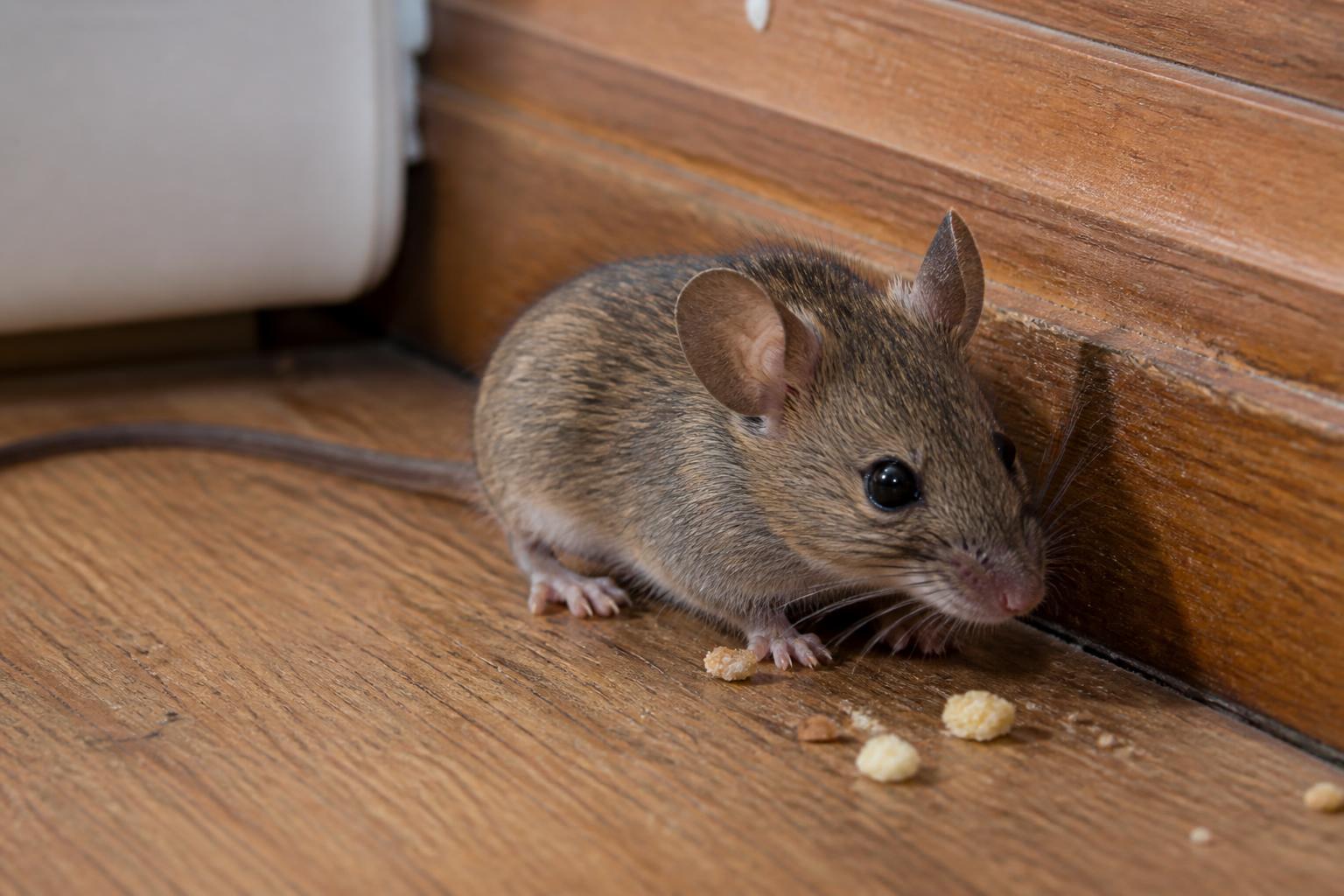
House mouse
Mus musculus
The most frequently reported indoor pest in UK homes — a small, curious rodent that exploits cavity walls, service risers and shared voids.
Read the profile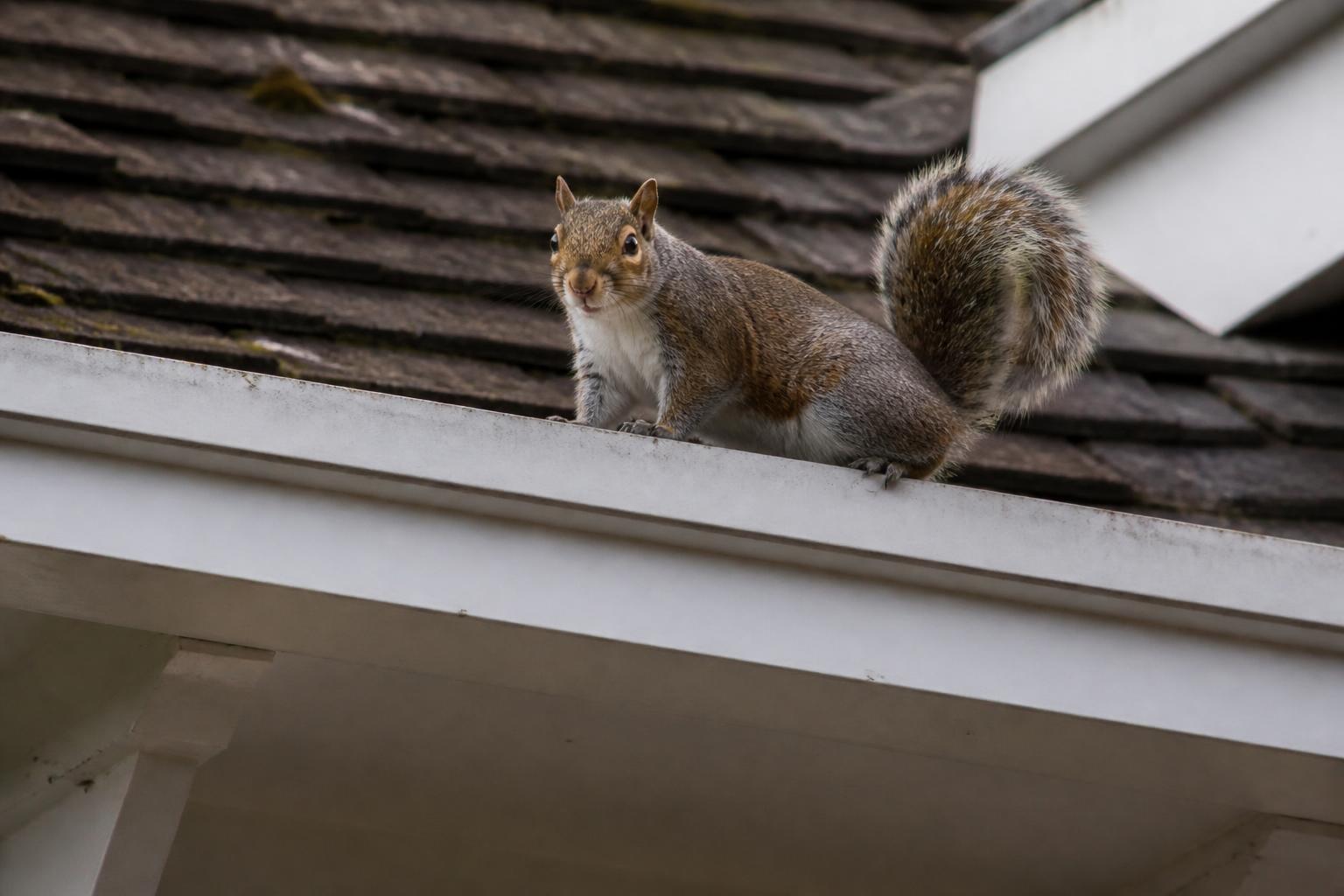
Grey squirrel
Sciurus carolinensis
An invasive non-native rodent that enters lofts through soffits and rooflines, causing significant cable and insulation damage.
Read the profileInsects
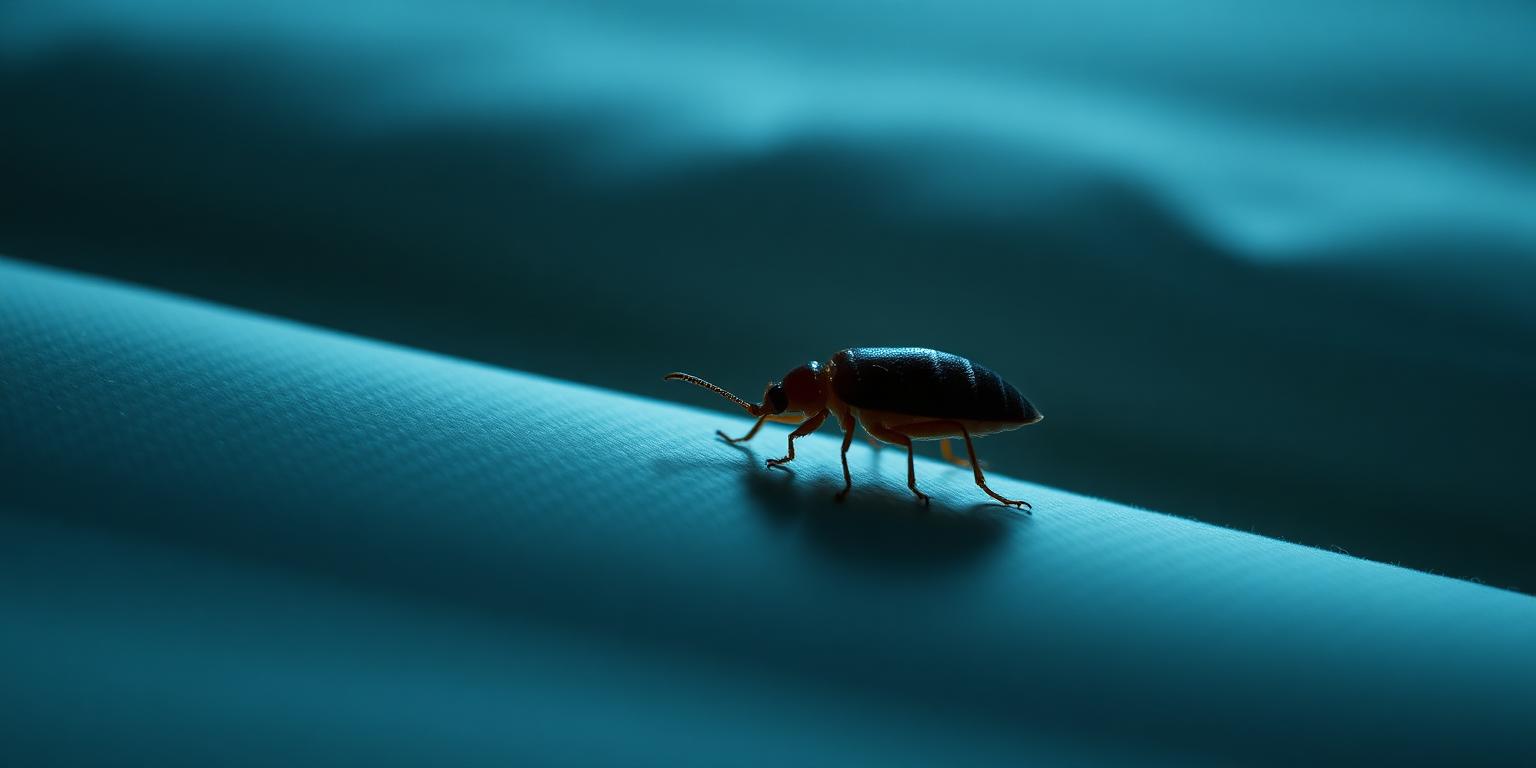
Bed bug
Cimex lectularius
A blood-feeding insect that harbours within a few metres of where people sleep and increasingly resists conventional insecticides.
Read the profile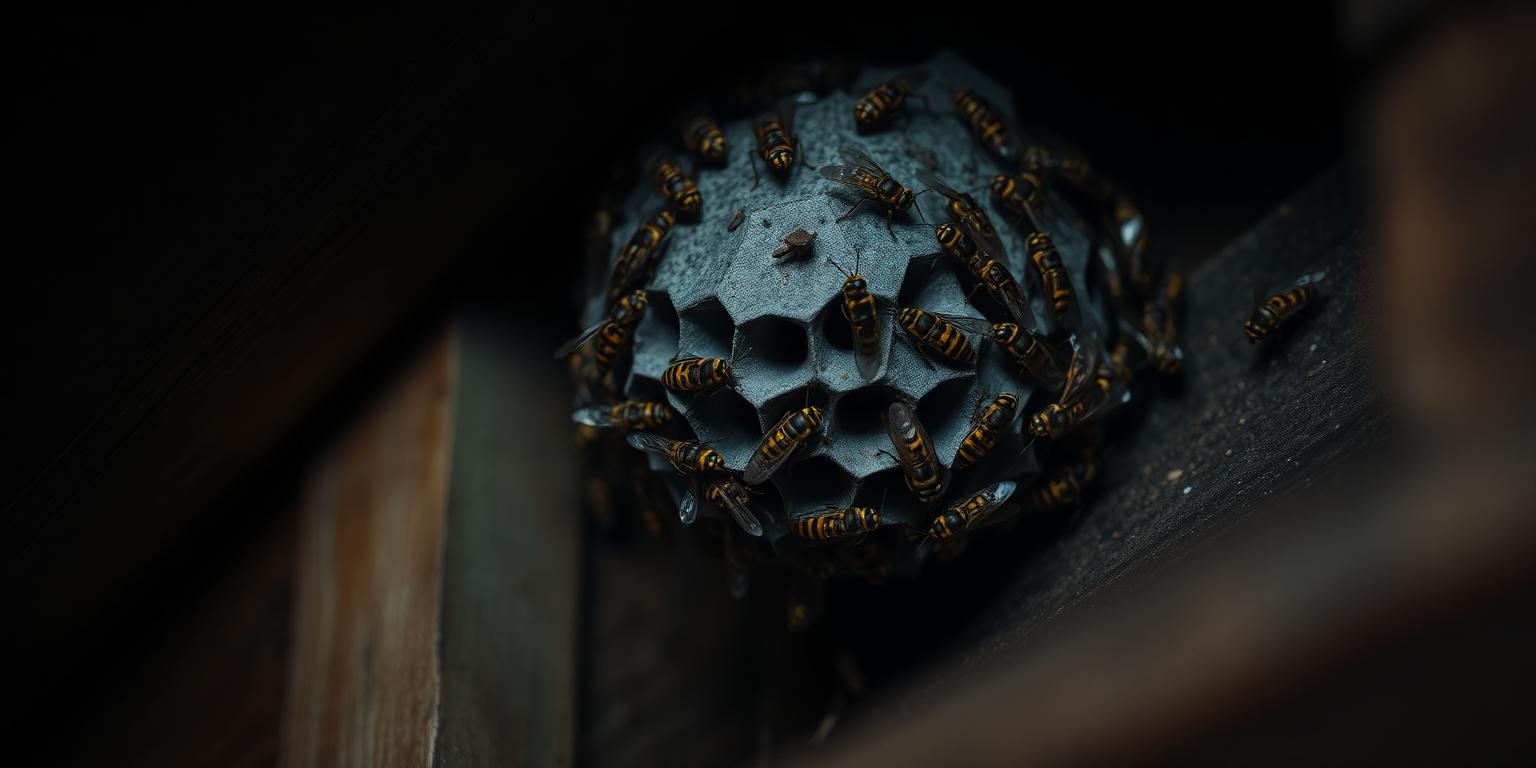
Common wasp
Vespula vulgaris
A social wasp whose nests grow from a golf ball in spring to several thousand workers by late summer, most often in lofts, soffits and cavity walls.
Read the profile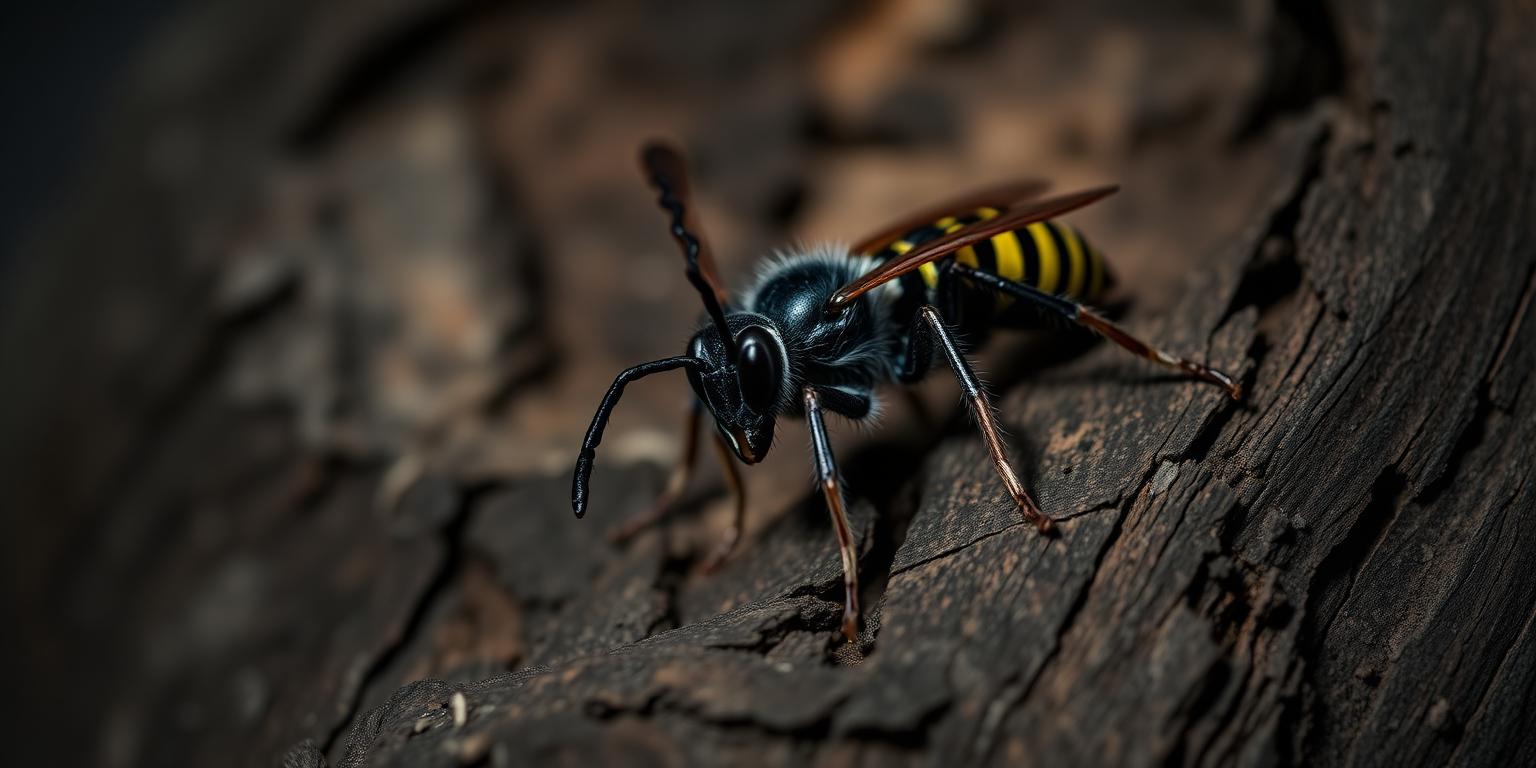
European hornet
Vespa crabro
Britain's largest social wasp — imposing but far less aggressive than the common wasp, and a protected part of the ecosystem where it poses no risk.
Read the profile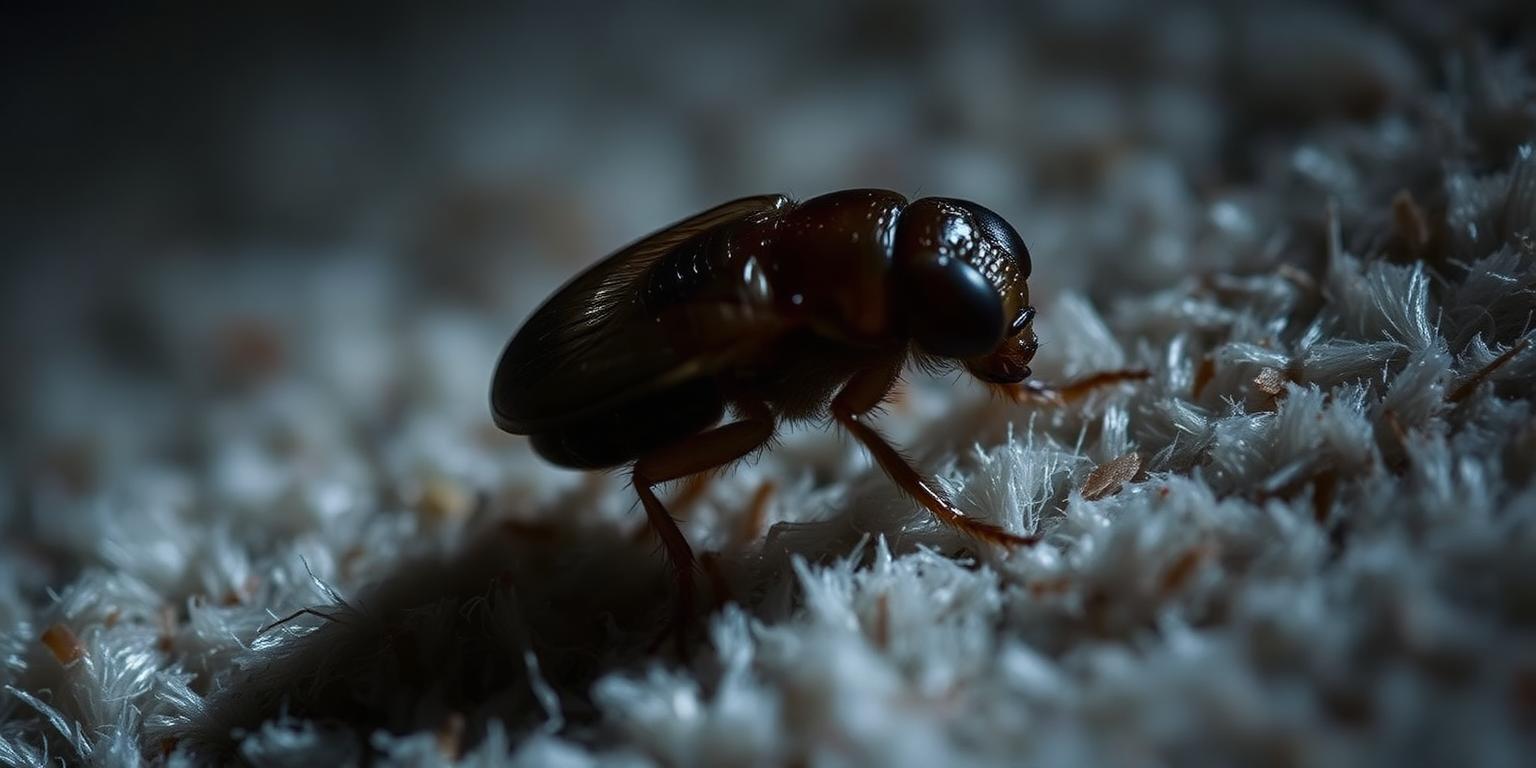
Cat flea
Ctenocephalides felis
Responsible for the overwhelming majority of UK household flea infestations — including in homes with no pets at all.
Read the profile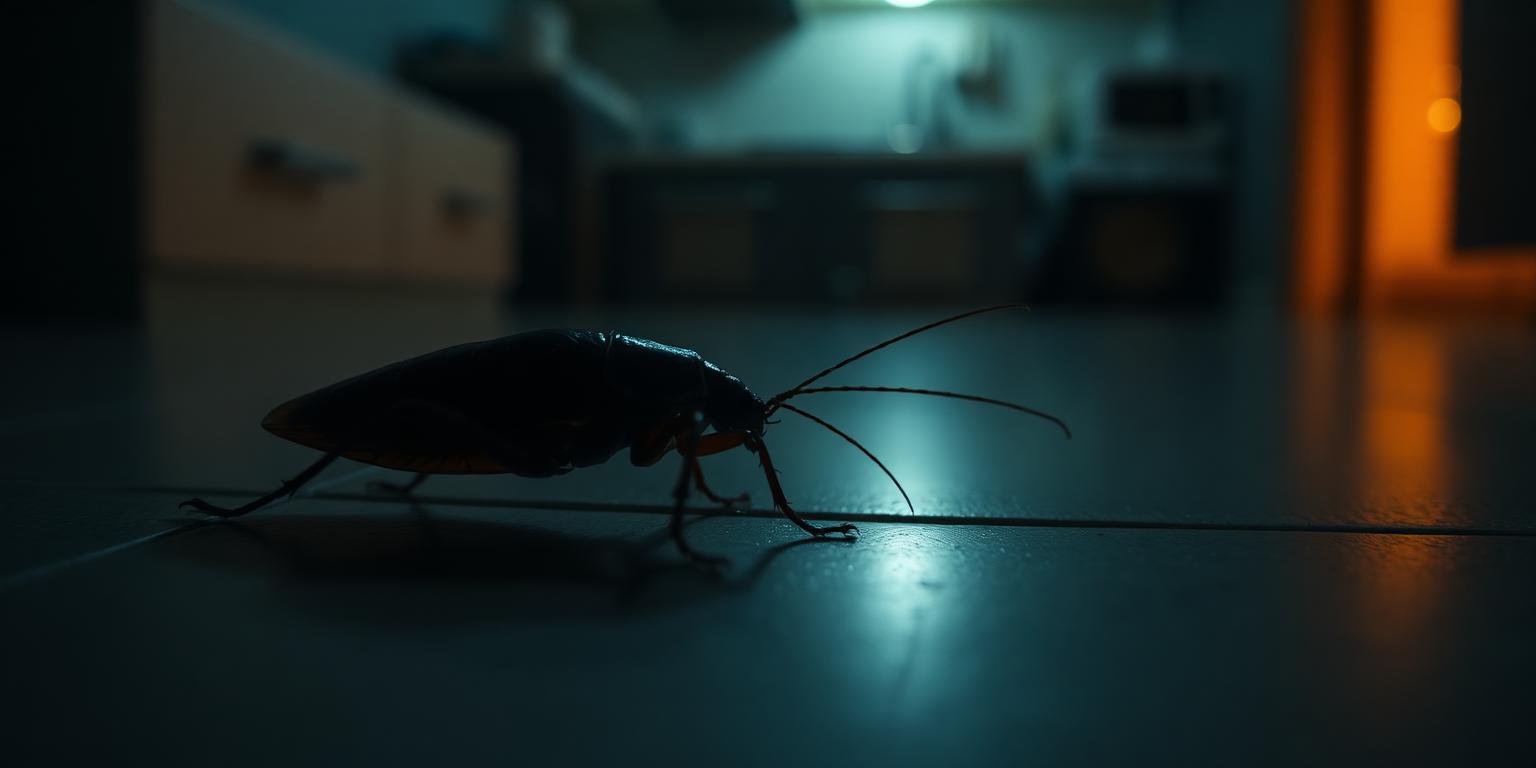
German cockroach
Blattella germanica
The most serious indoor cockroach in the UK — small, fast-breeding and almost always associated with warm kitchen and appliance voids.
Read the profile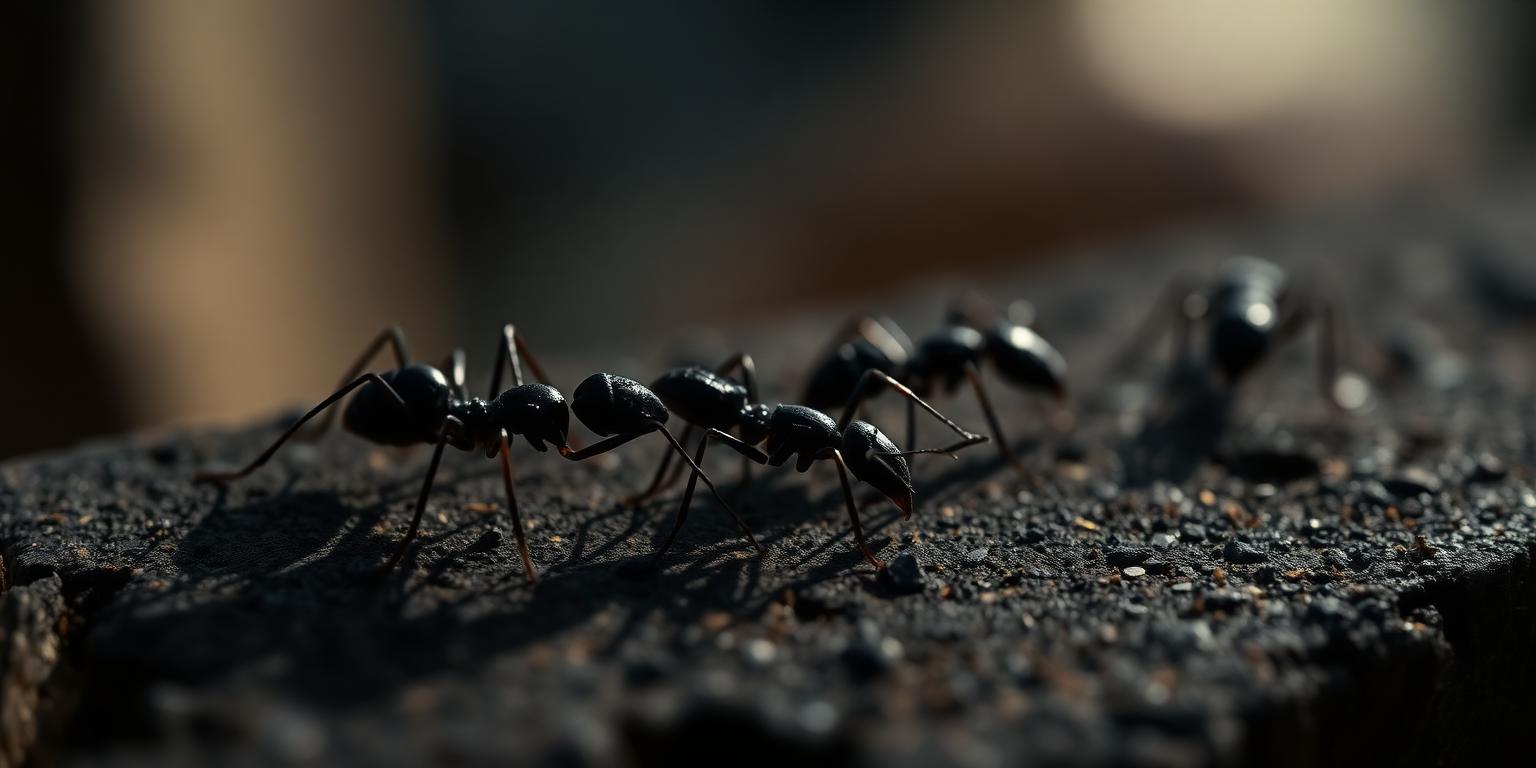
Black garden ant
Lasius niger
Britain's most familiar ant — a soil-nesting species that forages indoors for sugar and produces the mass flying-ant emergence each July.
Read the profile
Case-bearing carpet moth
Tinea pellionella
A textile pest whose larvae — not the adult moths — cause the damage, feeding on keratin in wool carpets, rugs and clothing.
Read the profile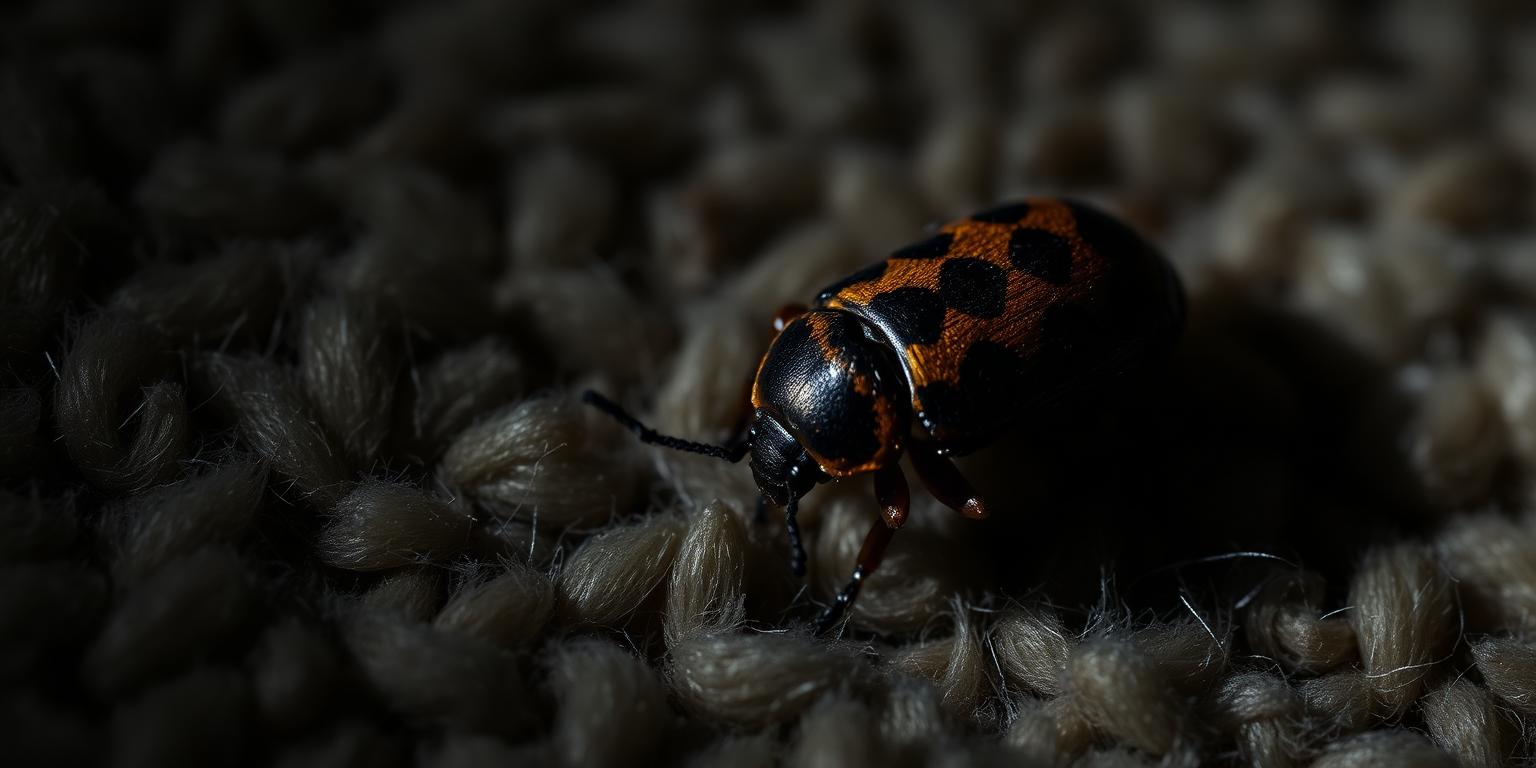
Varied carpet beetle
Anthrenus verbasci
A textile pest often mistaken for carpet moth — its bristly 'woolly bear' larvae chew clean, sharp-edged holes in wool and natural fibres.
Read the profile
Where is the pest problem?
Search your town, village or postcode for local coverage and response times.