
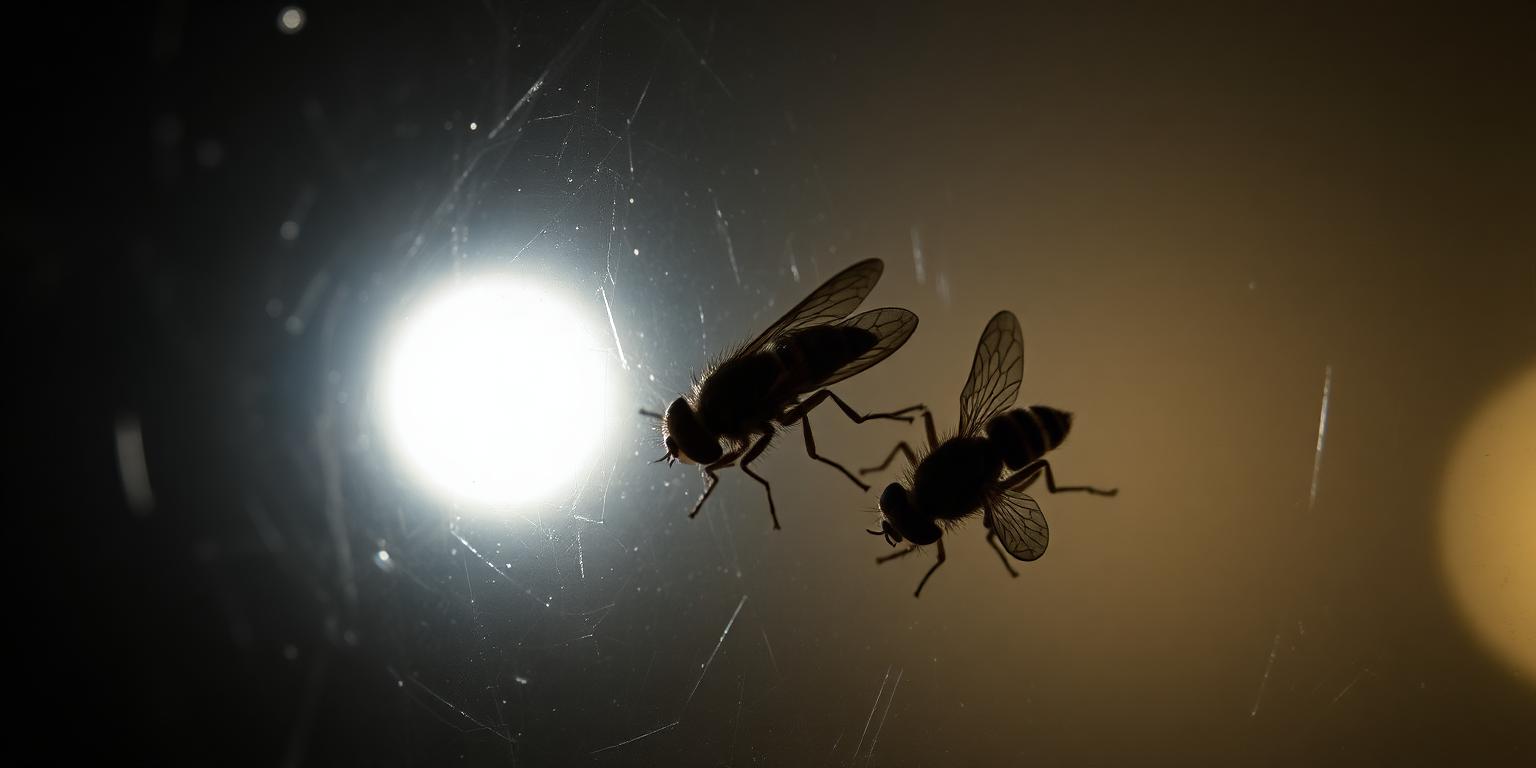
Flies control across Hertfordshire
Fly control for kitchens, food businesses and homes with persistent activity.
Signs of flies
- Adult flies around windows, food areas and bins
- Maggots in waste, drains or decaying organic matter
- Clusters of small flies around fruit, sinks or drains
Why it matters
- Contamination of food and food-preparation surfaces
- Spread of bacteria such as E. coli and Salmonella
- Risk of failed environmental health inspections for businesses
Prevention tips
- Keep bins lidded, clean and away from doors
- Fit fly screens to windows and back-of-house doors
- Clean drains and food spillages promptly
A brief history of flies
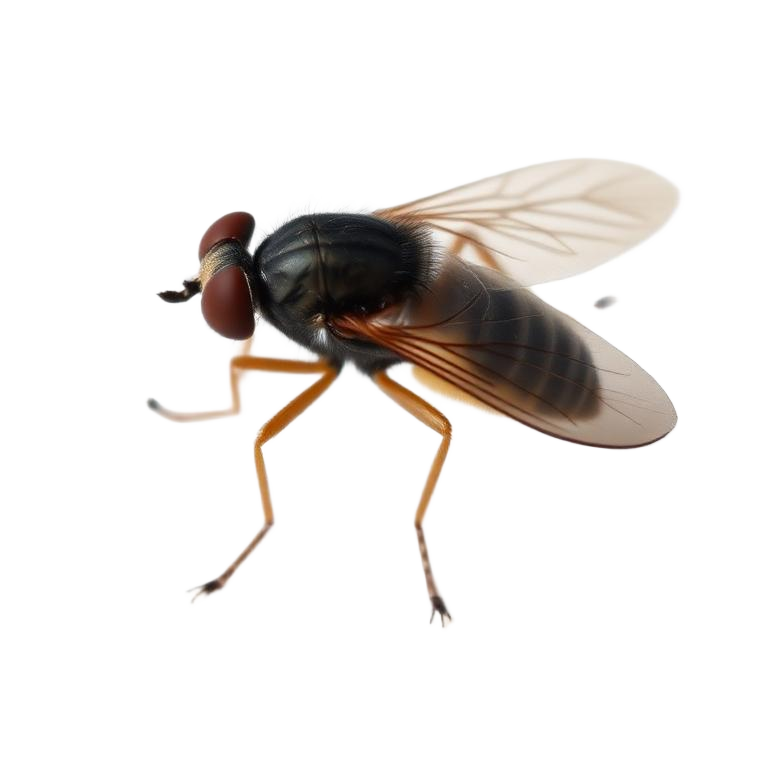
True flies (order Diptera) have existed for hundreds of millions of years and have followed human settlement, livestock and waste around the world.
Flies in Hertfordshire
Flies have shadowed Hertfordshire's farms, market towns and food trades for as long as records exist. The county's historic livestock markets at Hertford, Hitchin and Royston, its watercress beds along the Lea and Mimram, and the great brewing and malting industries of Ware and Baldock all drew enormous populations of house and blow flies in the warmer months. Victorian sanitary reforms — better drains, covered middens, refrigeration and fly screens — cut numbers dramatically, and 20th-century environmental health work in food businesses across St Albans and Watford pushed standards higher still. Today, Hertfordshire fly control focuses on commercial kitchens, food manufacturers and waste-handling sites, combining careful identification of breeding sources with targeted treatments and electric fly killer units rather than the broad-spectrum sprays of decades past.
Key milestones
- 240+ million years agoOrigins of Diptera
The fly lineage appears in the Triassic and today includes over 150,000 known species.
- PrehistoryFollowing humans
The house fly (Musca domestica) is thought to have originated on the Asian steppes before spreading worldwide.
- Medieval & Victorian eraDisease vector
Middens, slaughterhouses and poor sanitation made flies a major route for dysentery and typhoid.
- 20th centurySanitation revolution
Modern sewers, refrigeration and fly screens were driven in part by understanding their role in disease.
How we treat flies
Step 1
Inspection to identify the species and breeding sources
Step 2
Treatment of breeding sites and resting areas
Step 3
Installation of EFK (electric fly killer) units where required
Speak to a fly specialist today
Tell us a little about the problem and a local technician will call you back to confirm a price and an appointment — typically the same working day.
- Fixed quotes — no call-out fees
- Same-day & weekend appointments where possible
- Discreet, unmarked vehicles available
- Fully insured technicians
Ask any question about flies
Type a question below and our AI assistant will answer instantly — no waiting, no forms.
Flies: in-depth advice
Practical advice on flies
If you suspect flies in your home or business, act early — small problems are far quicker, cheaper and less disruptive to treat than an established infestation. Try to note where you see activity, at what time of day, and whether it is concentrated around food, water, warmth or hidden harbourages. Photographs of any insects, droppings or damage are genuinely useful when you call us, because they help us identify the species and bring the right products on the first visit.
In the meantime, focus on the basics: keep bins lidded, clean and away from doors; fit fly screens to windows and back-of-house doors; clean drains and food spillages promptly. Avoid spraying supermarket products around the area you suspect is the nest or harbourage — many over-the-counter sprays repel insects and push them deeper into wall voids, cavities and adjoining rooms, which makes professional treatment slower and more expensive. If you live in a flat or terrace, let neighbours know what you're seeing; flies rarely respect property boundaries and a coordinated approach is almost always more effective than treating one property in isolation.
Our Hertfordshire technicians are happy to talk through what you're seeing before you commit to a treatment. Call 01727 601 007 for honest advice — if it isn't a fly problem, or if simple housekeeping will resolve it, we'll tell you.
For how treatment itself is carried out, see fly control services.
Got a fly problem?
Call us today for honest advice and a fast appointment across Hertfordshire.