
What pest activity actually looks like
A labelled reference library of the signs we look for on inspection — droppings, gnaw marks, entry points, faecal spotting, damage and the verification steps that prove a treatment worked. Every image states what it is and where it came from, so you can compare what you have found against a professional reference.
Honestly labelled
Every image is marked as HPE treatment evidence, HPE equipment, or an educational reference. We never present a reference photo as our own job.
Explained, not just shown
Each record says what the sign may indicate — the reasoning a technician applies on site.
Privacy first
No addresses, no customer details, no identifiable property features. Records are anonymised before publication.
Browse evidence by species
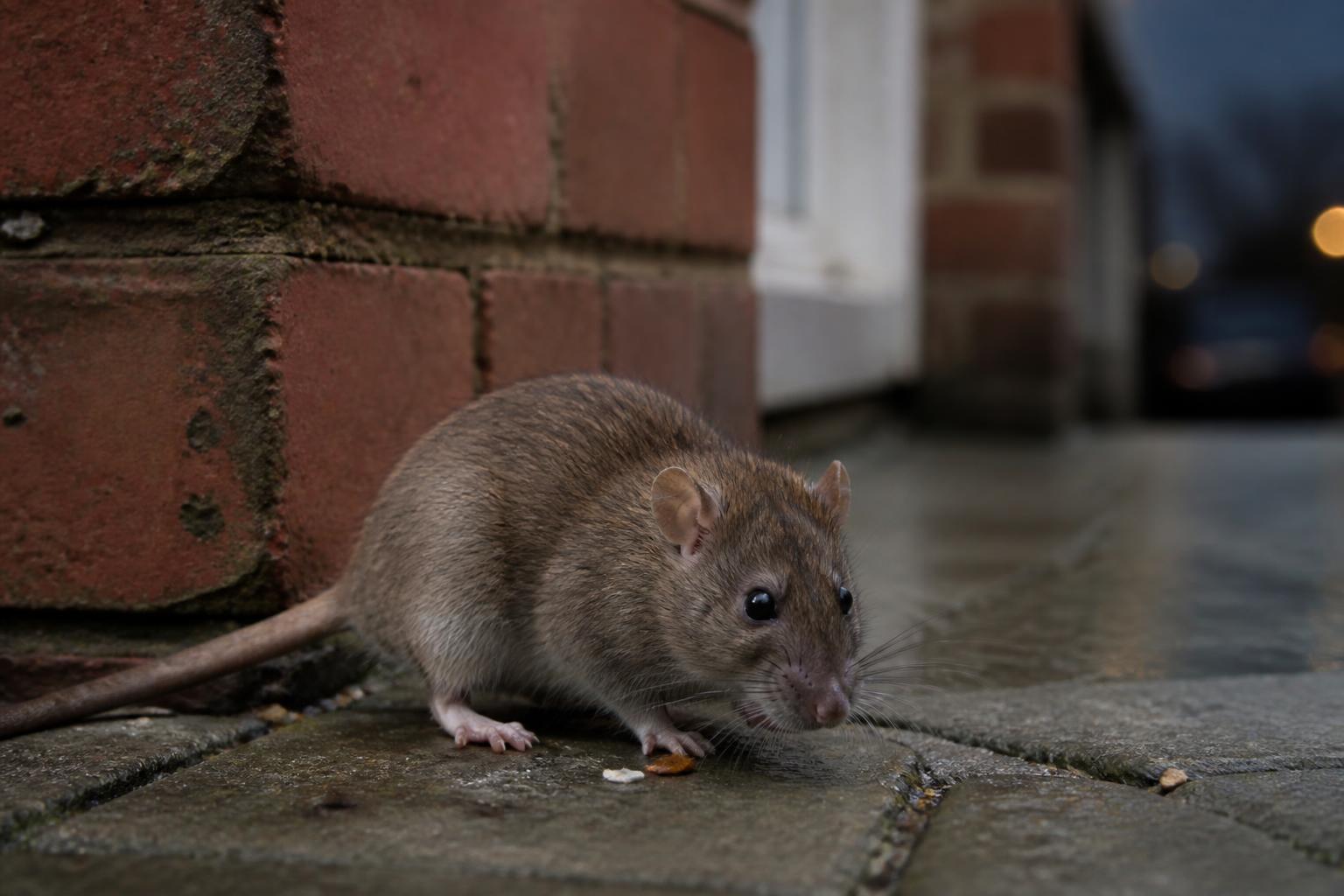 Brown rat3 evidence records
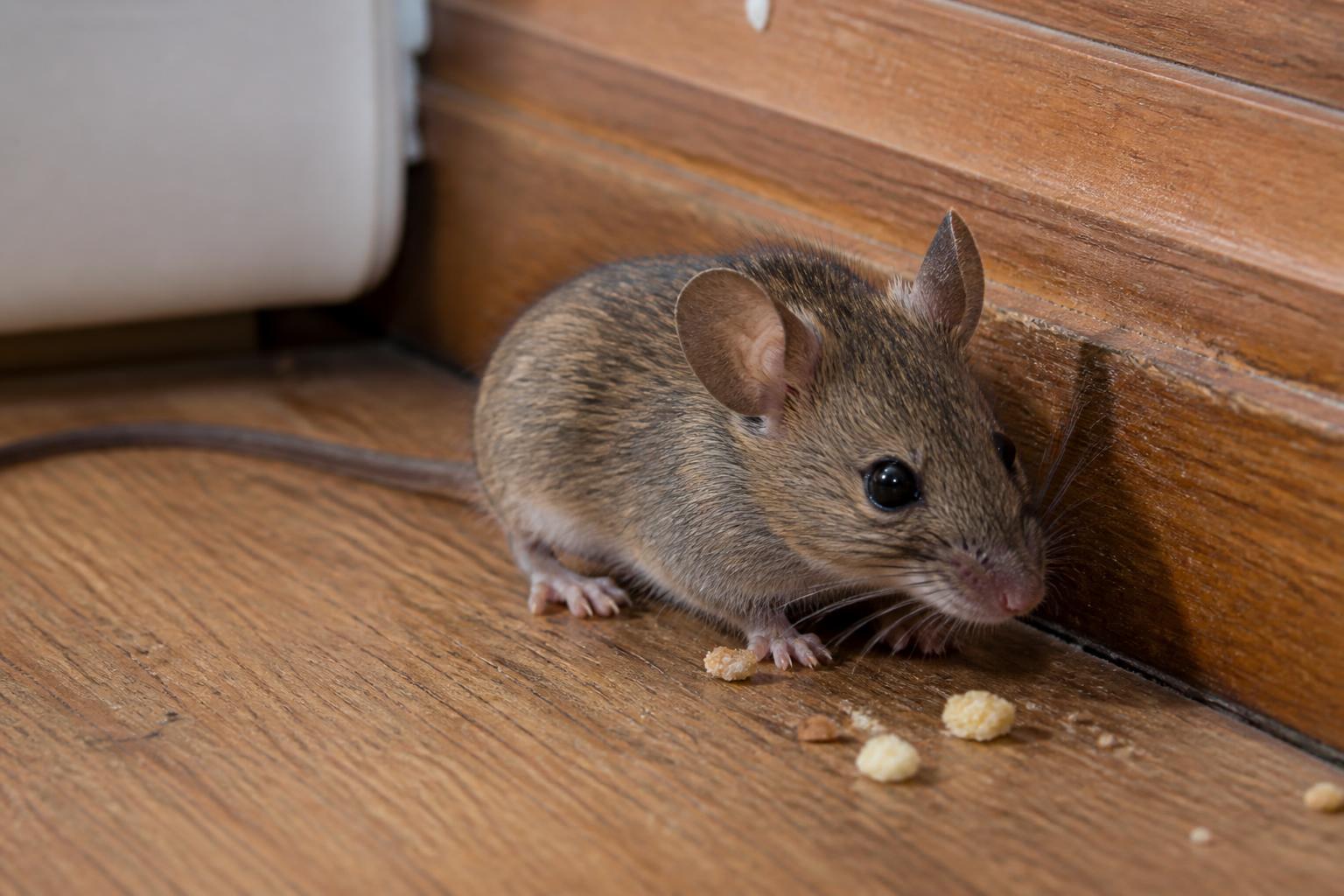 House mouse2 evidence records
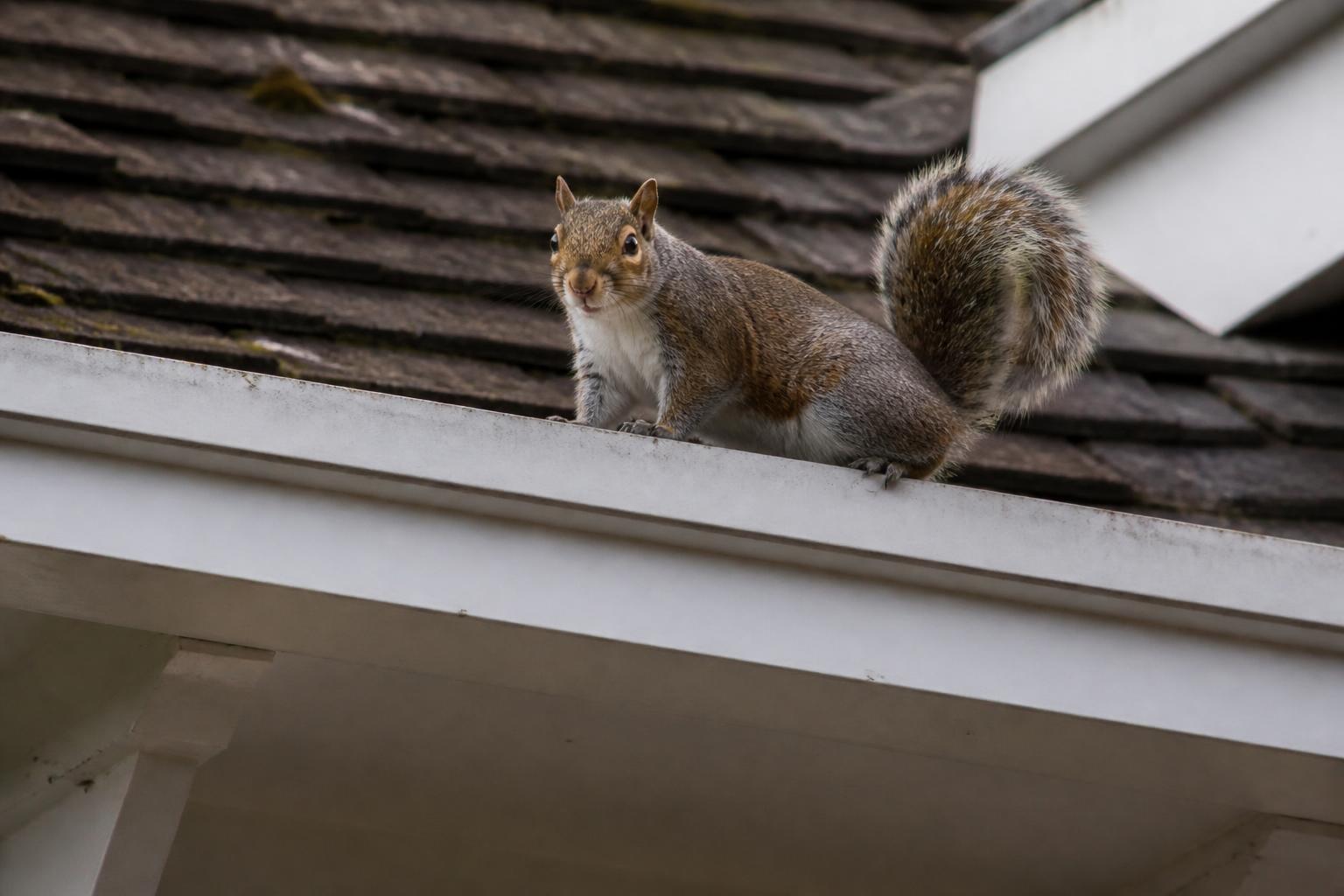 Grey squirrel2 evidence records
 Bed bug6 evidence records
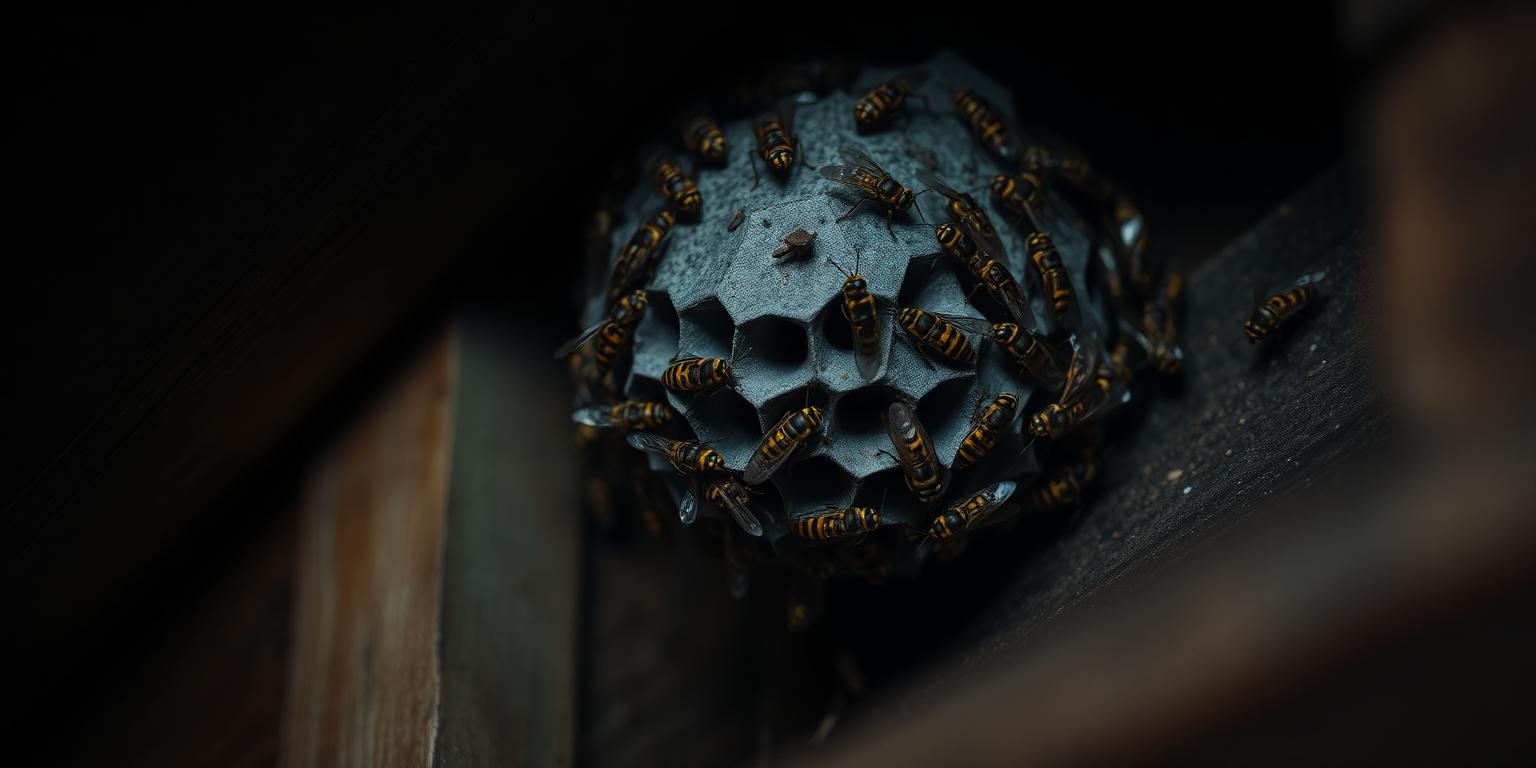 Common wasp2 evidence records
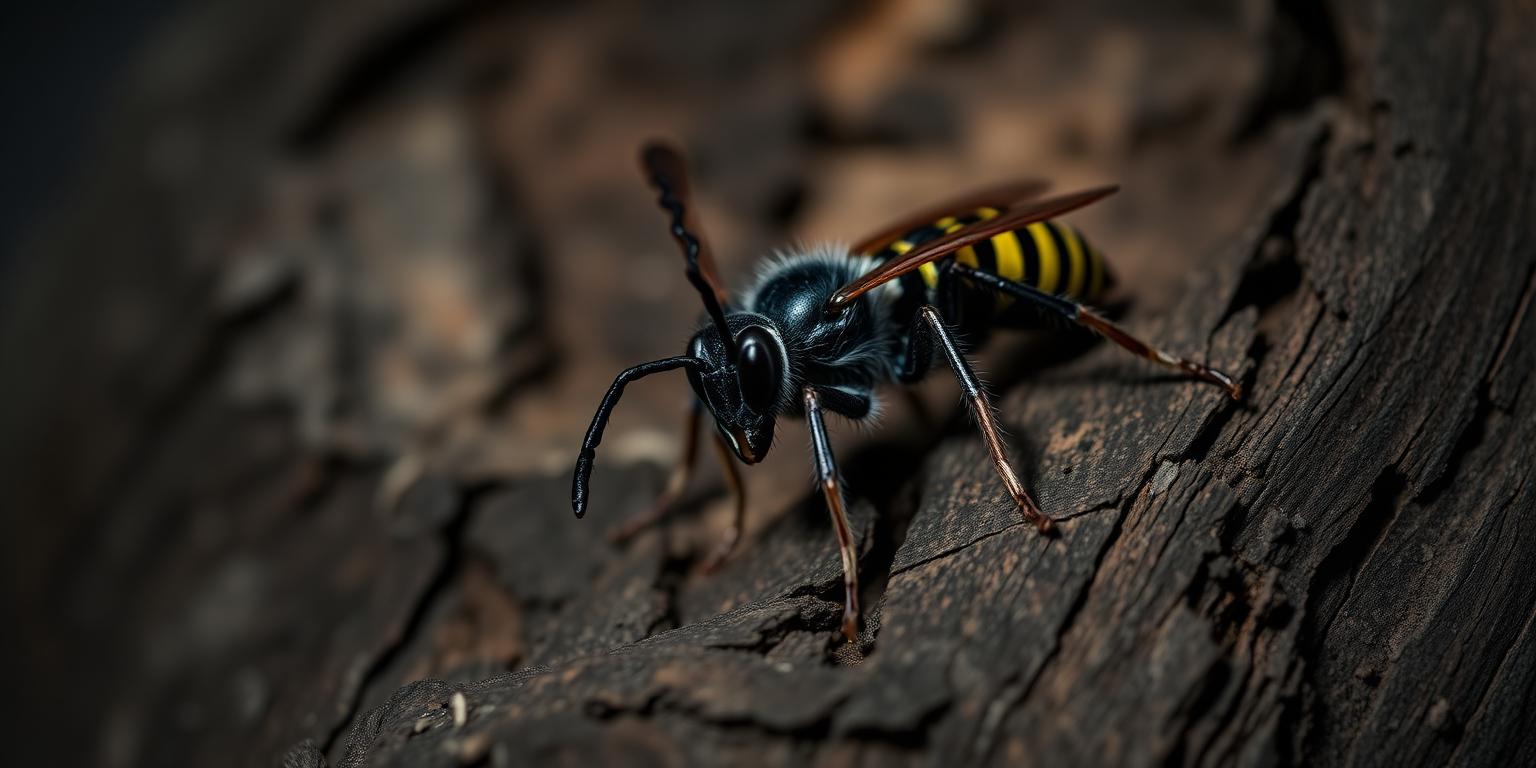 European hornet1 evidence record
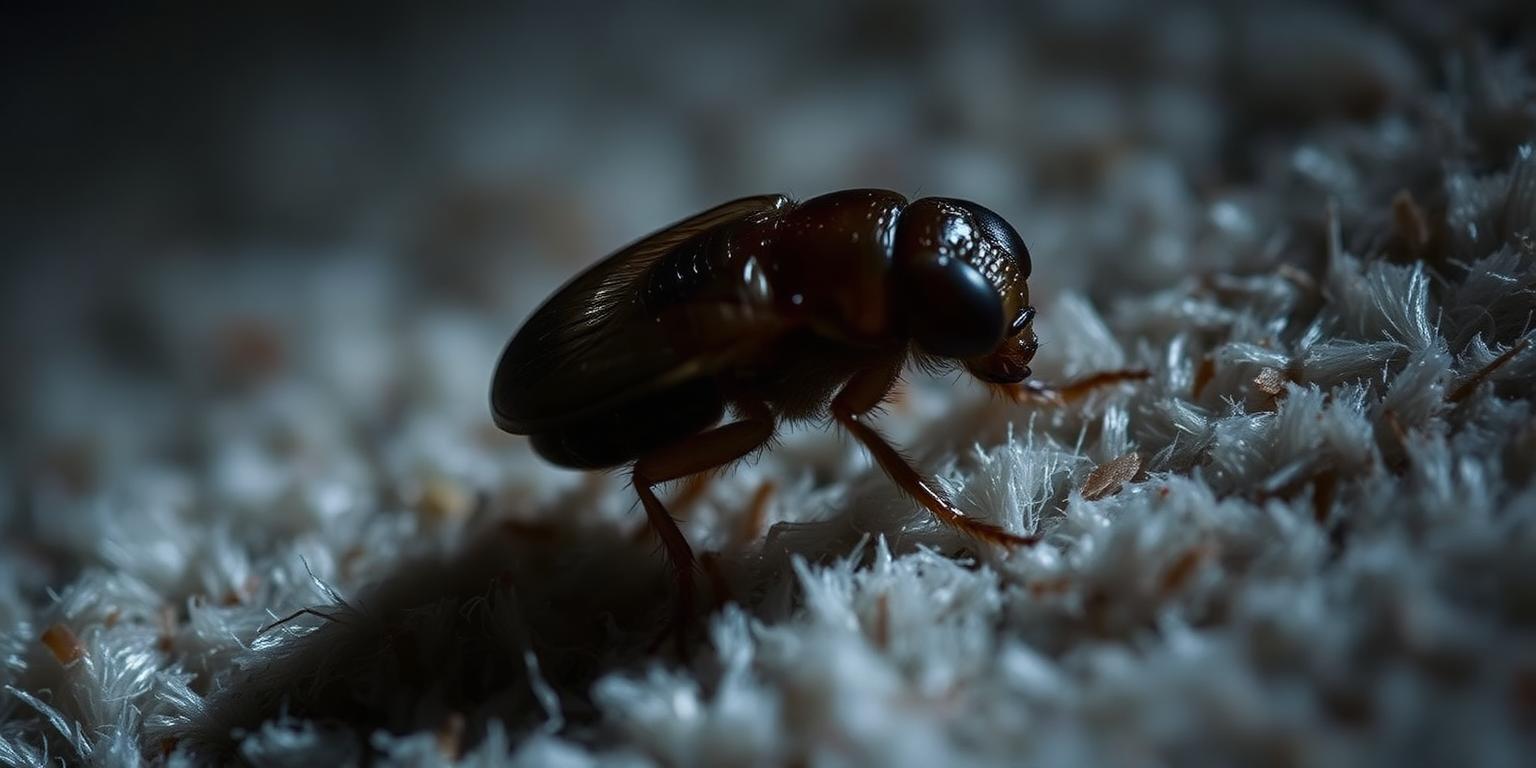 Cat flea1 evidence record
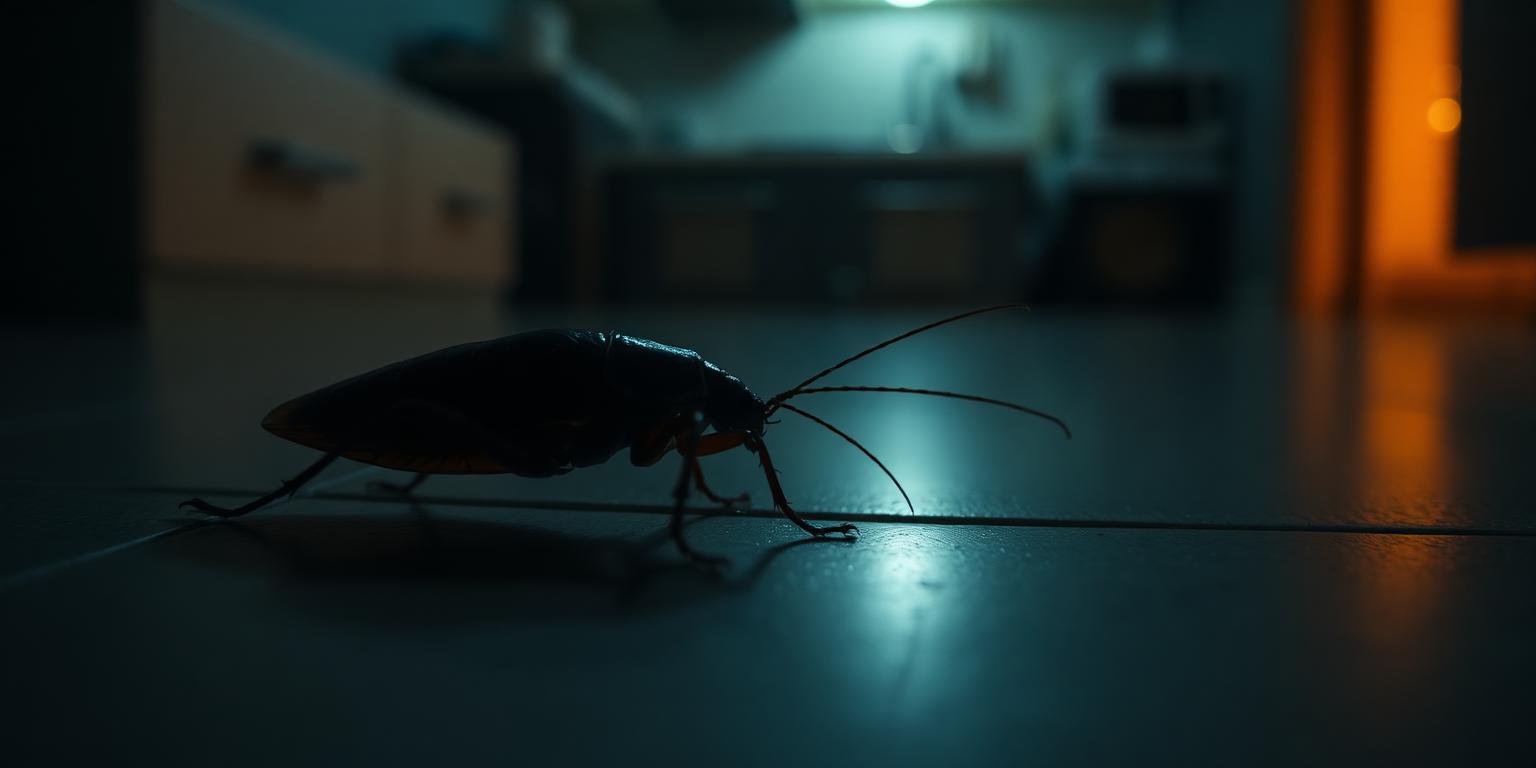 German cockroach1 evidence record
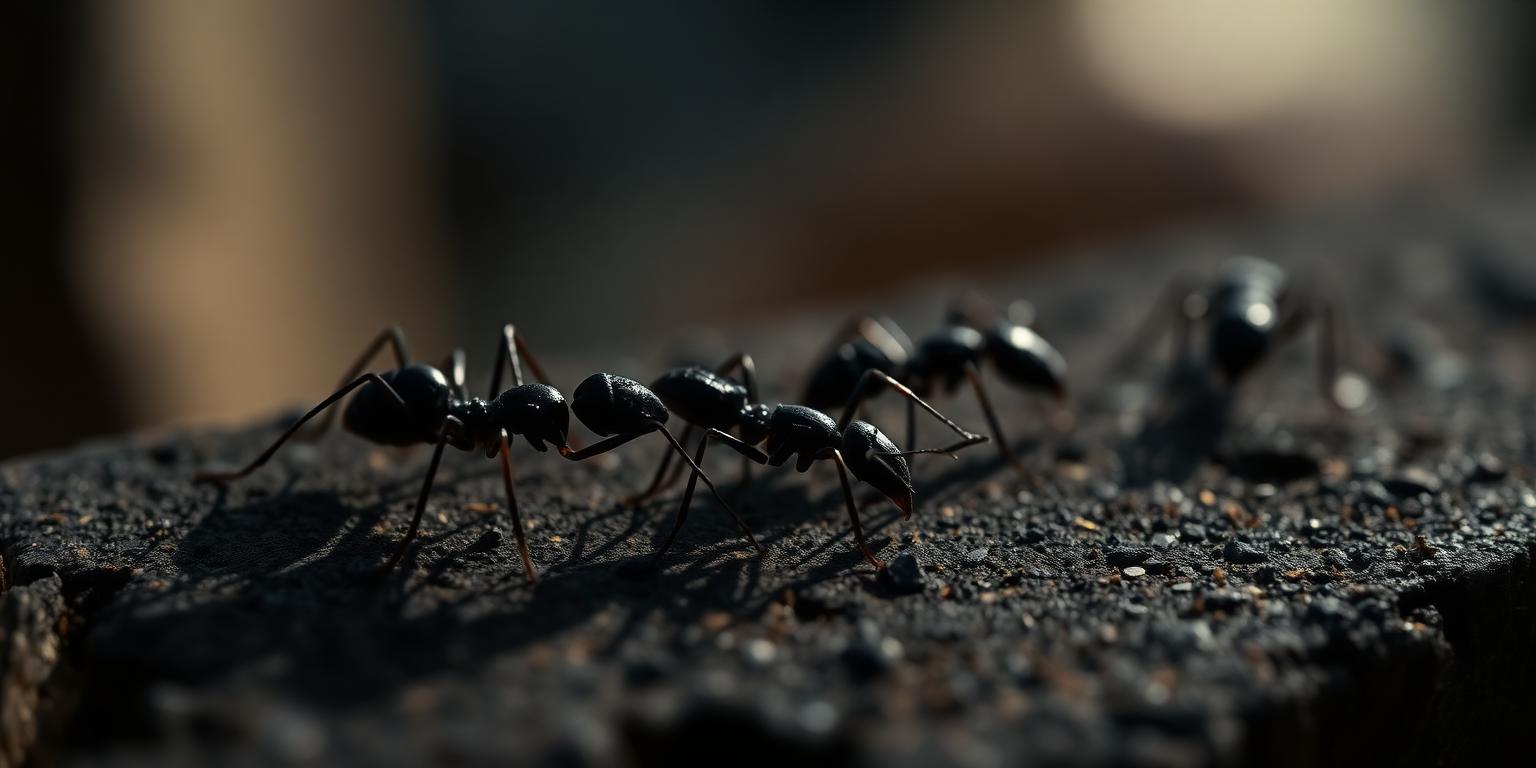 Black garden ant1 evidence record
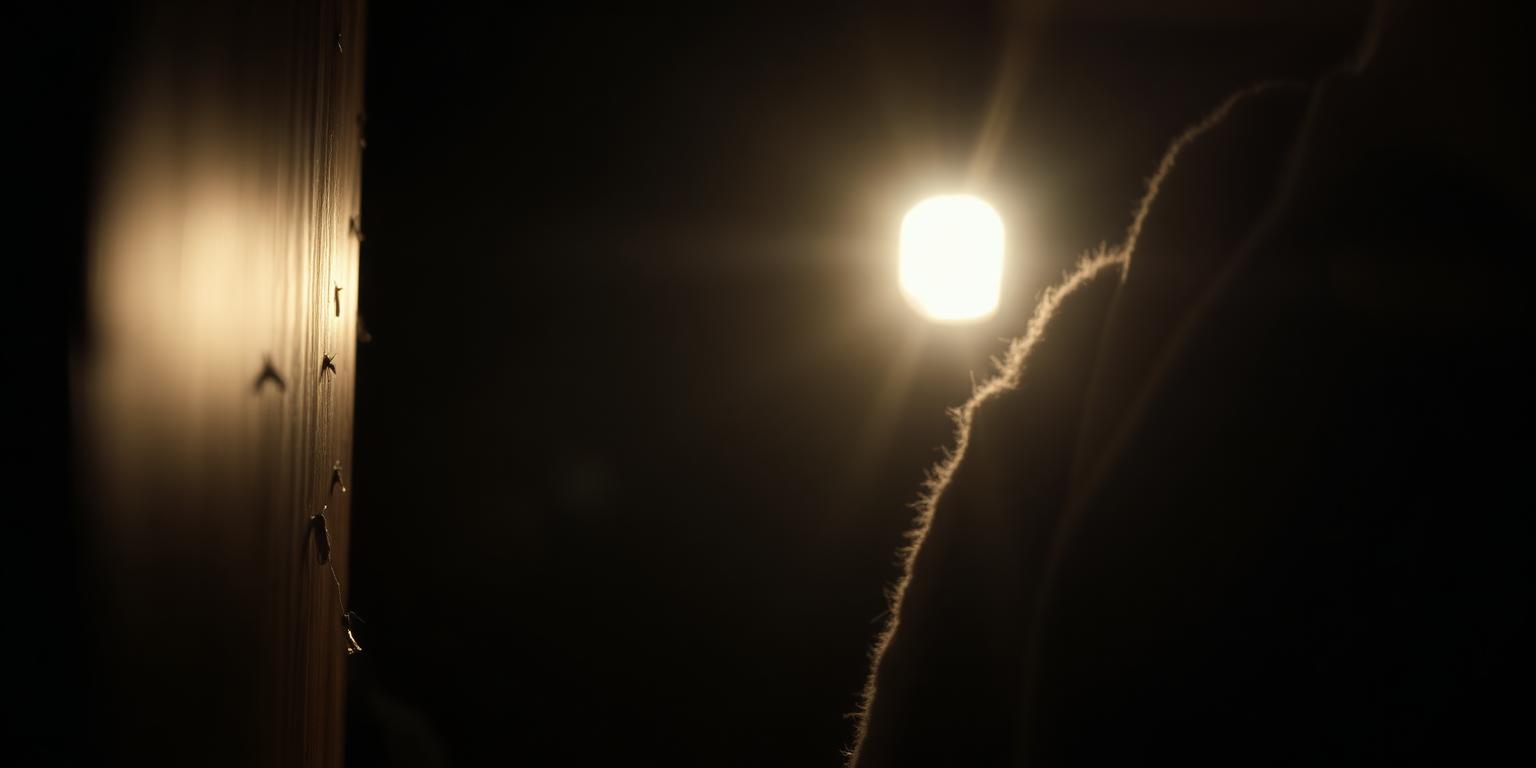 Case-bearing carpet moth1 evidence record
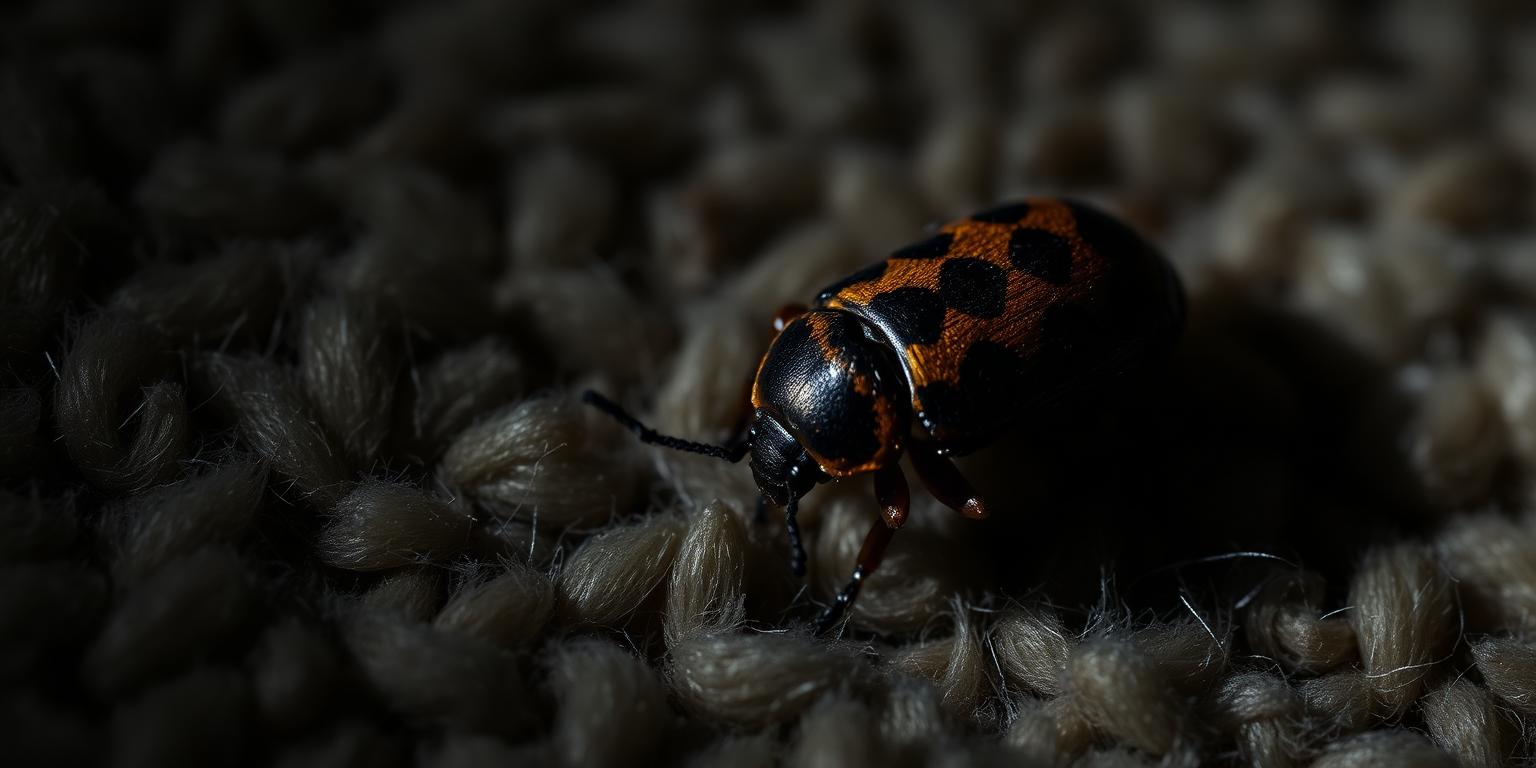 Varied carpet beetle1 evidence record
The full evidence gallery
Filter by species, type of sign, area of the property or stage of the job.
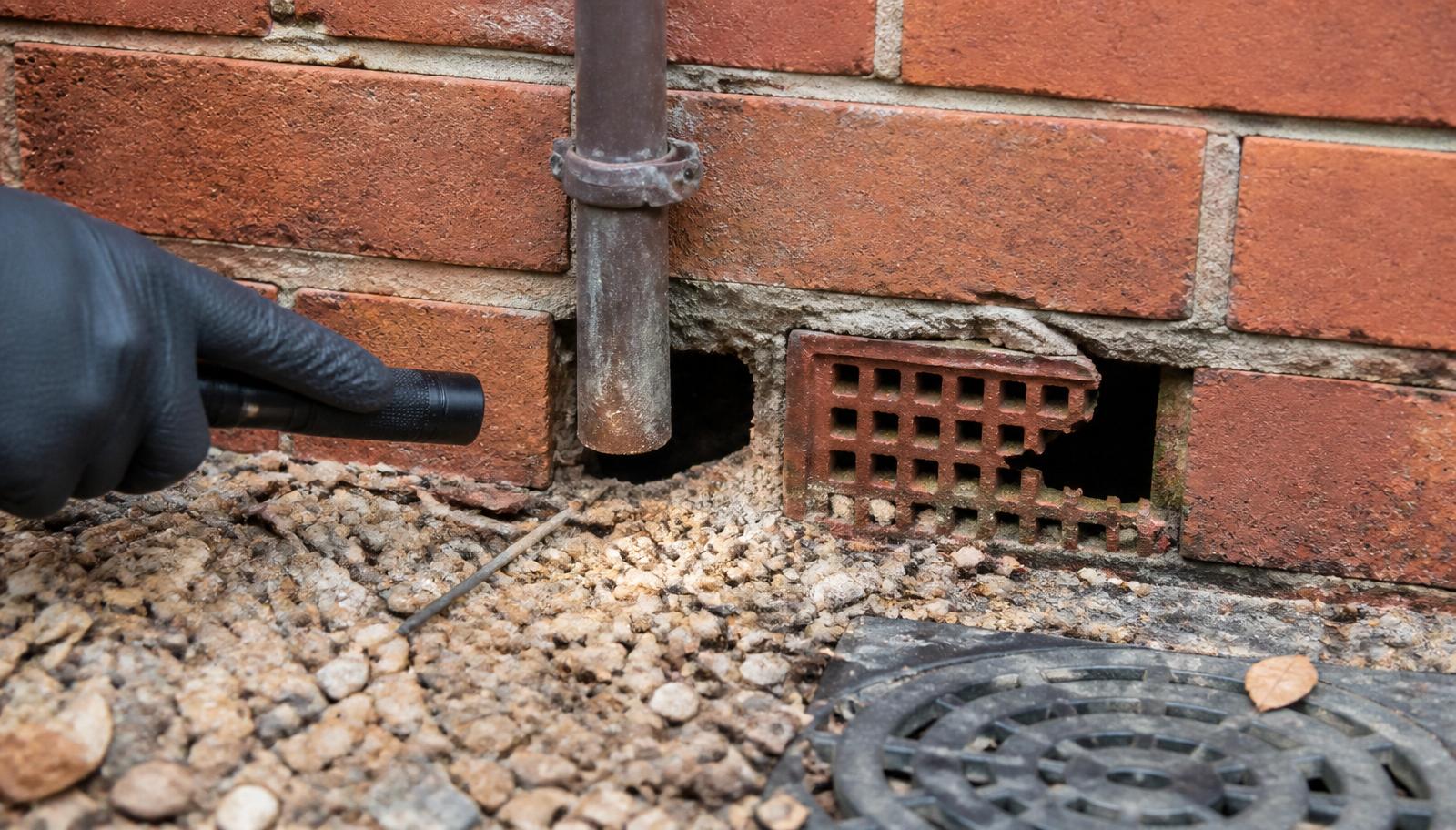 Entry points
Gnawed service-pipe entry
Brown ratA gap around an external service pipe enlarged by gnawing — the classic route into a sub-floor void.
What this may indicate: Rats are entering the structure rather than simply visiting the garden. Proofing this point is usually more important than baiting.
- Area
- External / structure
- Stage
- Inspection
 Runs and smear marks
Sub-floor rodent activity
Brown ratRepeated travel along a void edge leaves a defined run with greasy smear marks where fur contacts the surface.
What this may indicate: An established route between harbourage and a food source, not a one-off visitor.
- Area
- Sub-floor / voids
- Stage
- Inspection
IdentificationBrown rat identification
Brown ratBrown rat (Rattus norvegicus) — heavy body, blunt muzzle, tail shorter than head and body combined.
What this may indicate: Confirms species. Rats and juvenile squirrels are routinely confused at a glance.
- Area
- Not specified
- Stage
- Reference
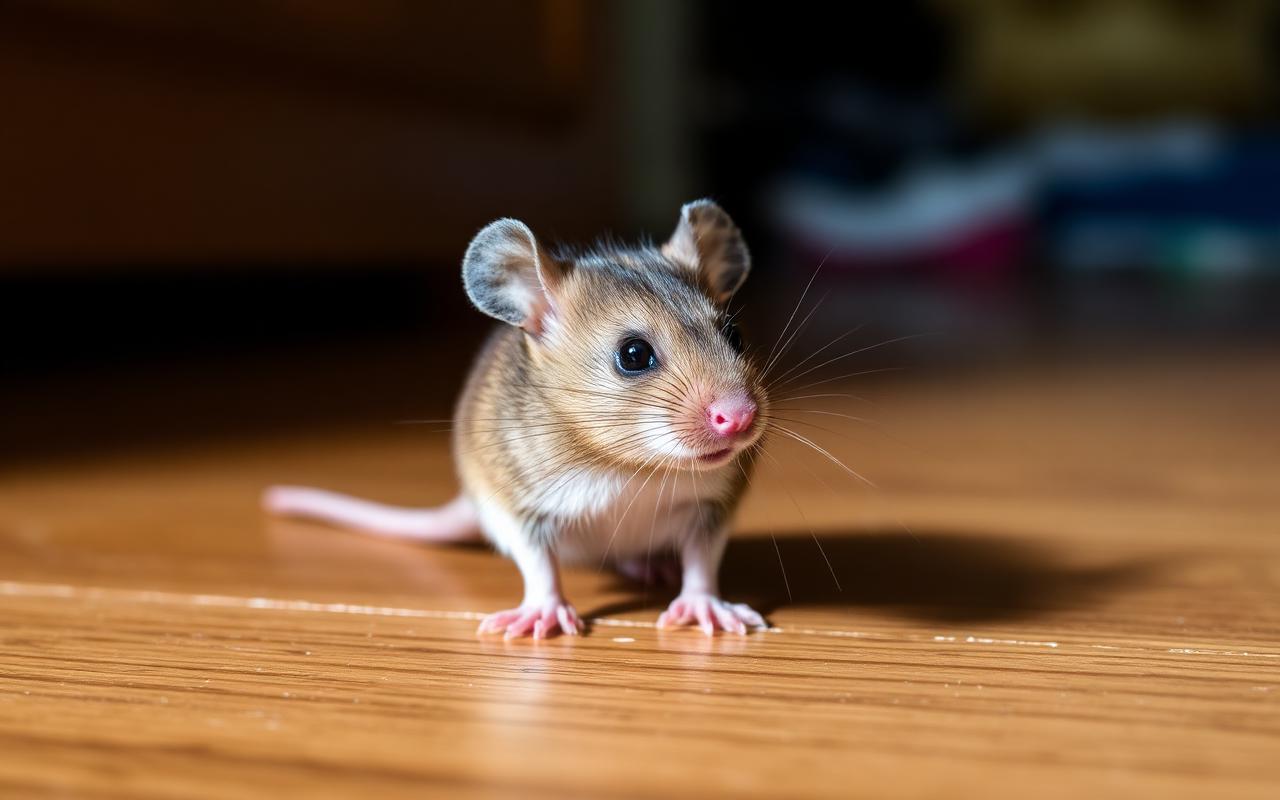 Entry points
Skirting gap access
House mouseA mouse using a kitchen skirting gap — a 6mm opening is enough for an adult house mouse.
What this may indicate: Movement between a unit void and the room. Kitchen kickboards are the usual harbourage.
- Area
- Kitchen
- Stage
- Inspection
IdentificationHouse mouse identification
House mouseHouse mouse (Mus musculus) — small body, large ears relative to head, tail as long as head and body.
What this may indicate: Confirms species. Young rats are frequently reported as mice.
- Area
- Not specified
- Stage
- Reference
 Entry points
Roofline access point
Grey squirrelGrey squirrel at a roofline access point above a soffit run.
What this may indicate: Loft entry. Squirrels reuse the same gap season after season unless it is proofed properly.
- Area
- Loft / roof void
- Stage
- Inspection
IdentificationGrey squirrel identification
Grey squirrelGrey squirrel (Sciurus carolinensis) photographed for identification.
What this may indicate: Confirms species before any control work — legal obligations differ between squirrel species.
- Area
- Not specified
- Stage
- Reference
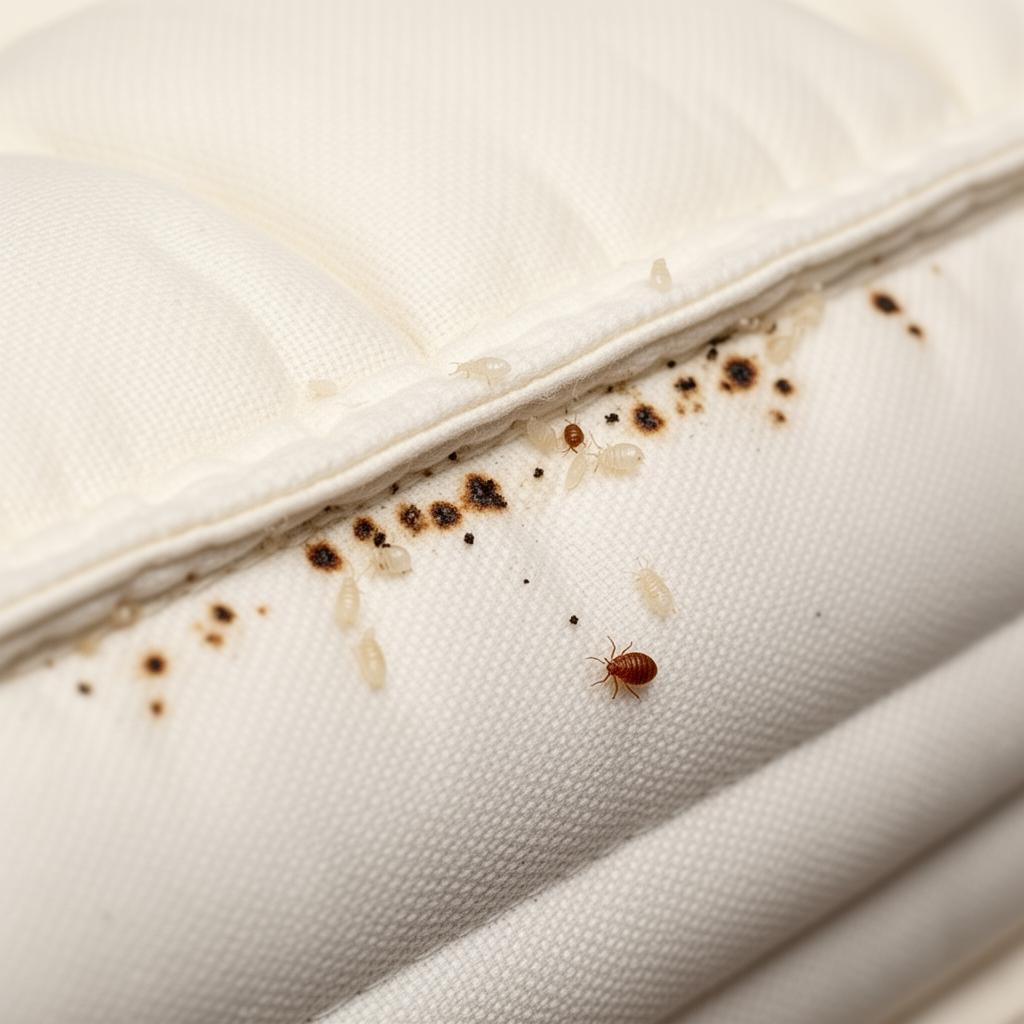 Faecal spotting
Faecal spotting on a mattress seam
Bed bugDark pin-head spotting and cast skins along a mattress seam — the definitive early sign.
What this may indicate: Harbourage within the bed itself. Spotting concentrated at seams usually means a young, localised infestation.
- Area
- Bedroom
- Stage
- Inspection
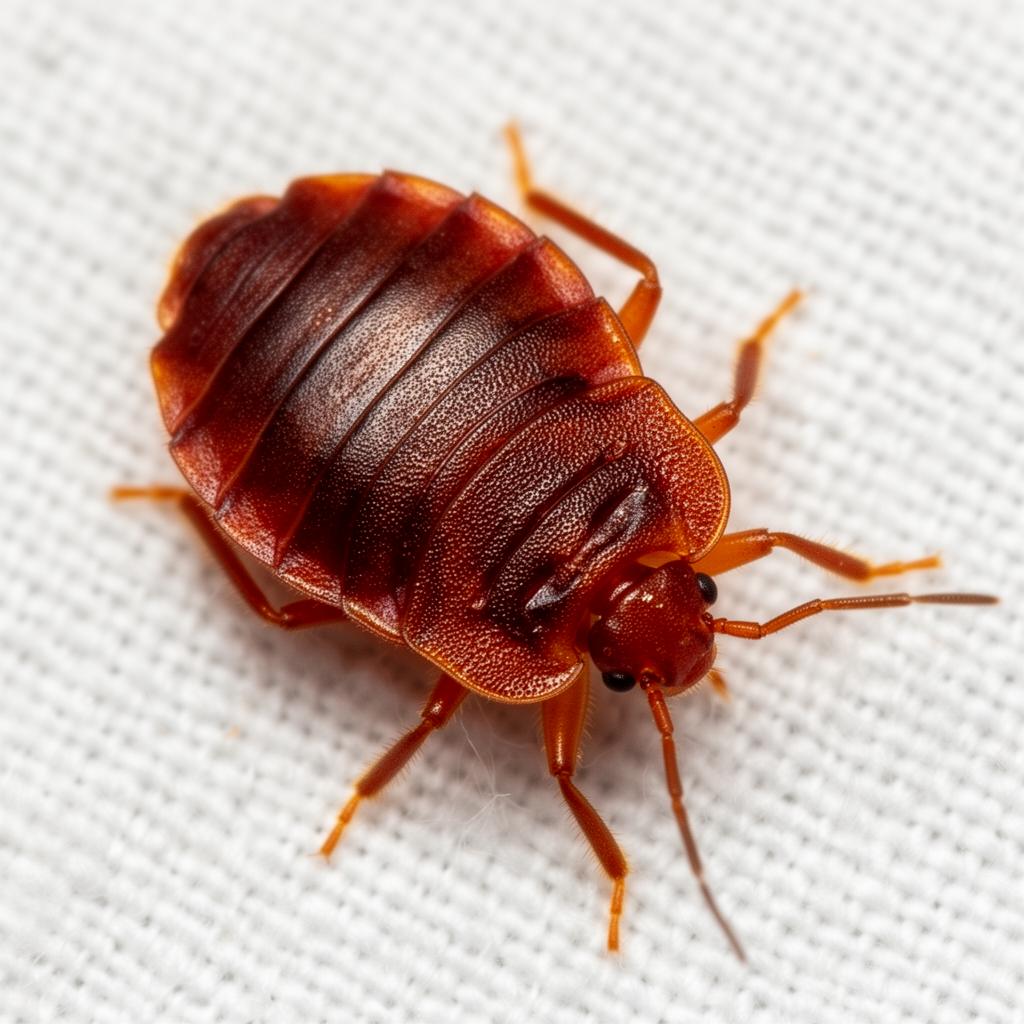 Identification
Adult bed bug
Bed bugAdult Cimex lectularius — flat, oval, reddish-brown, roughly the size of an apple pip.
What this may indicate: Confirmed identification. Bed bugs are commonly mistaken for carpet beetles or young cockroaches.
- Area
- Bedroom
- Stage
- Reference
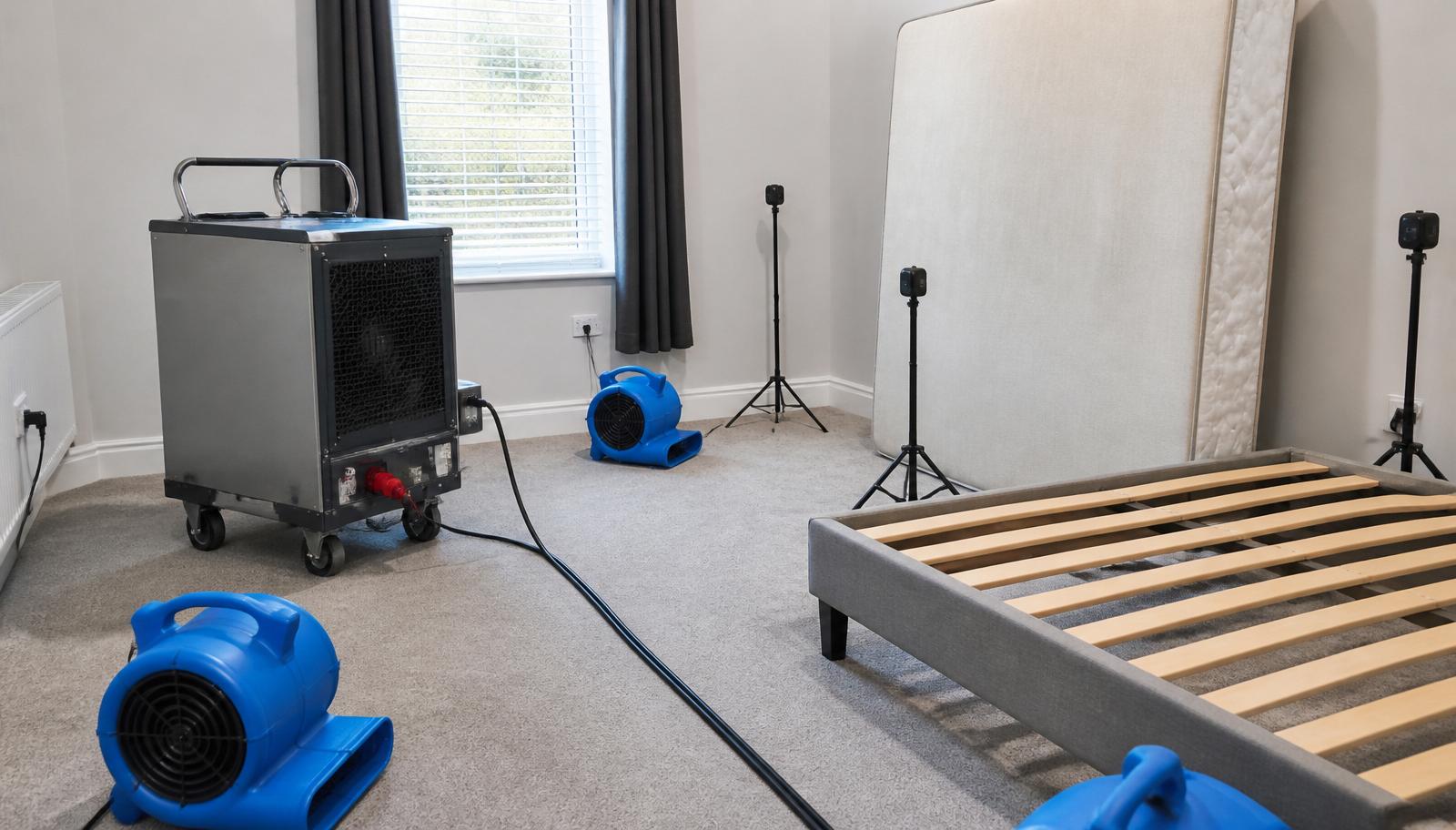 Treatment setup
Heat treatment setup
Bed bugHeaters, air movers and wireless probes positioned before a heat treatment begins.
What this may indicate: How a room is configured so heat reaches harbourage inside frames, skirting and voids — not just the air.
- Area
- Bedroom
- Stage
- Preparation
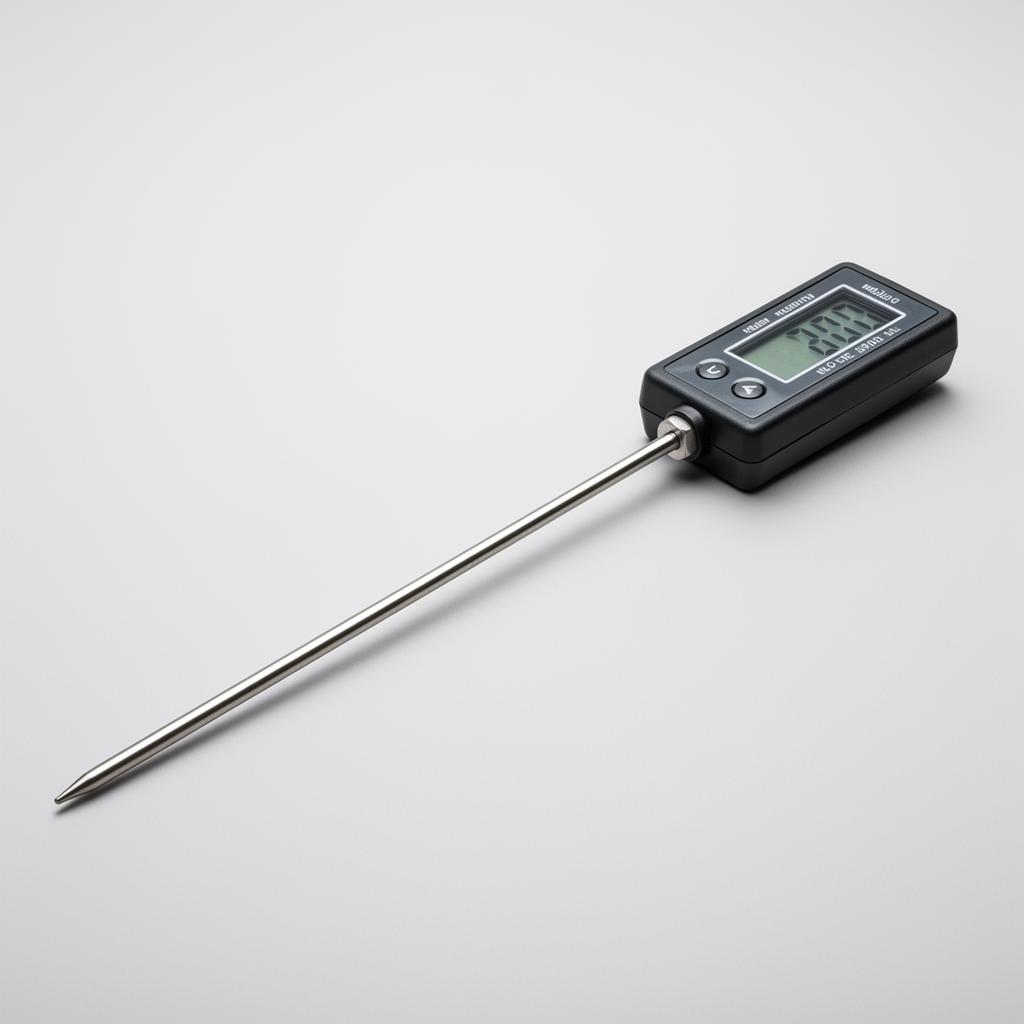 Temperature verification
Temperature probe at a harbourage point
Bed bugA wireless probe placed at a harbourage point rather than in open air.
What this may indicate: Lethal temperature is evidenced where the insects actually are, which is what determines the result.
- Area
- Bedroom
- Stage
- Verification
 Monitoring
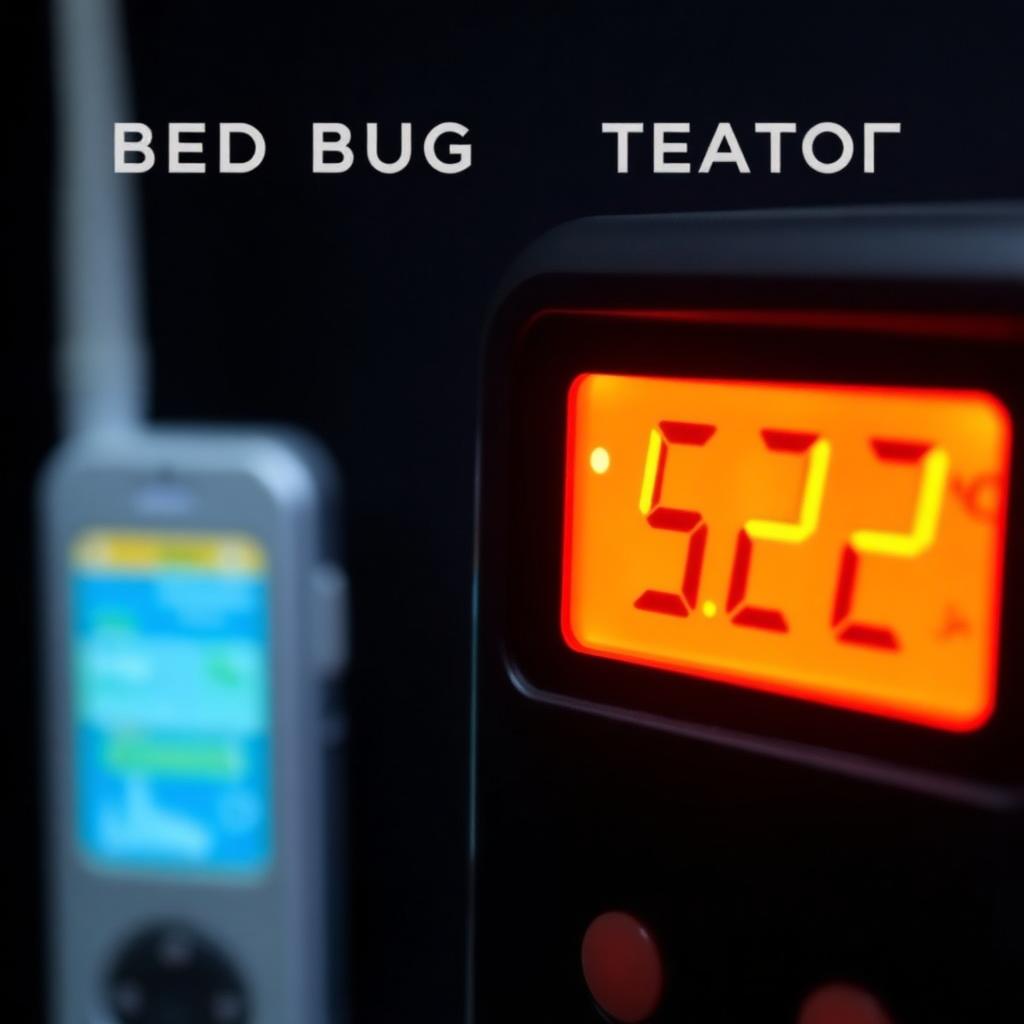
Live temperature monitoring
Bed bugRoom temperatures logged continuously across the treatment window.
What this may indicate: A recorded temperature history, which is what makes a heat treatment verifiable rather than assumed.
- Area
- Bedroom
- Stage
- Verification
 Treatment setup
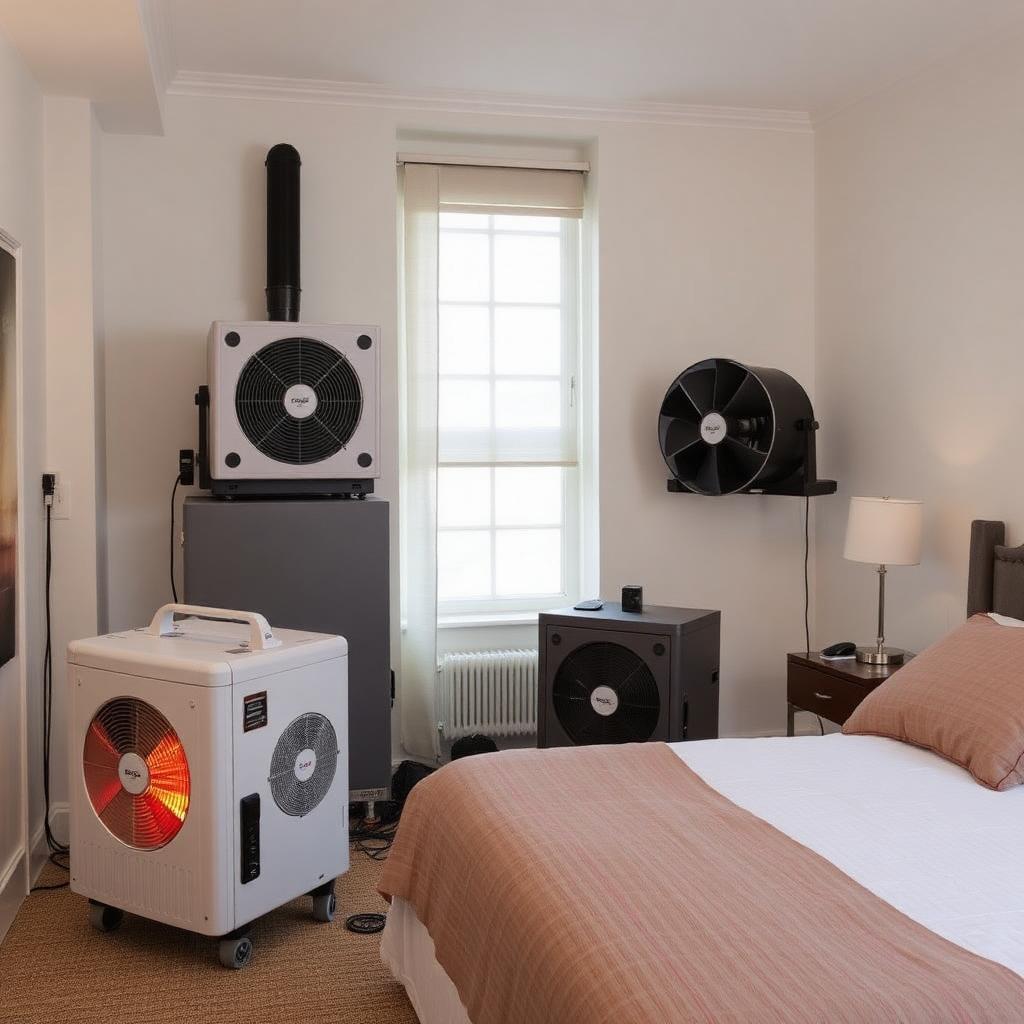
Heat treatment equipment
Bed bugThe heaters and circulation equipment used on a whole-room bed bug heat treatment.
What this may indicate: The scale of equipment required to hold a room at lethal temperature for several hours.
- Area
- Not specified
- Stage
- Treatment
 Entry points
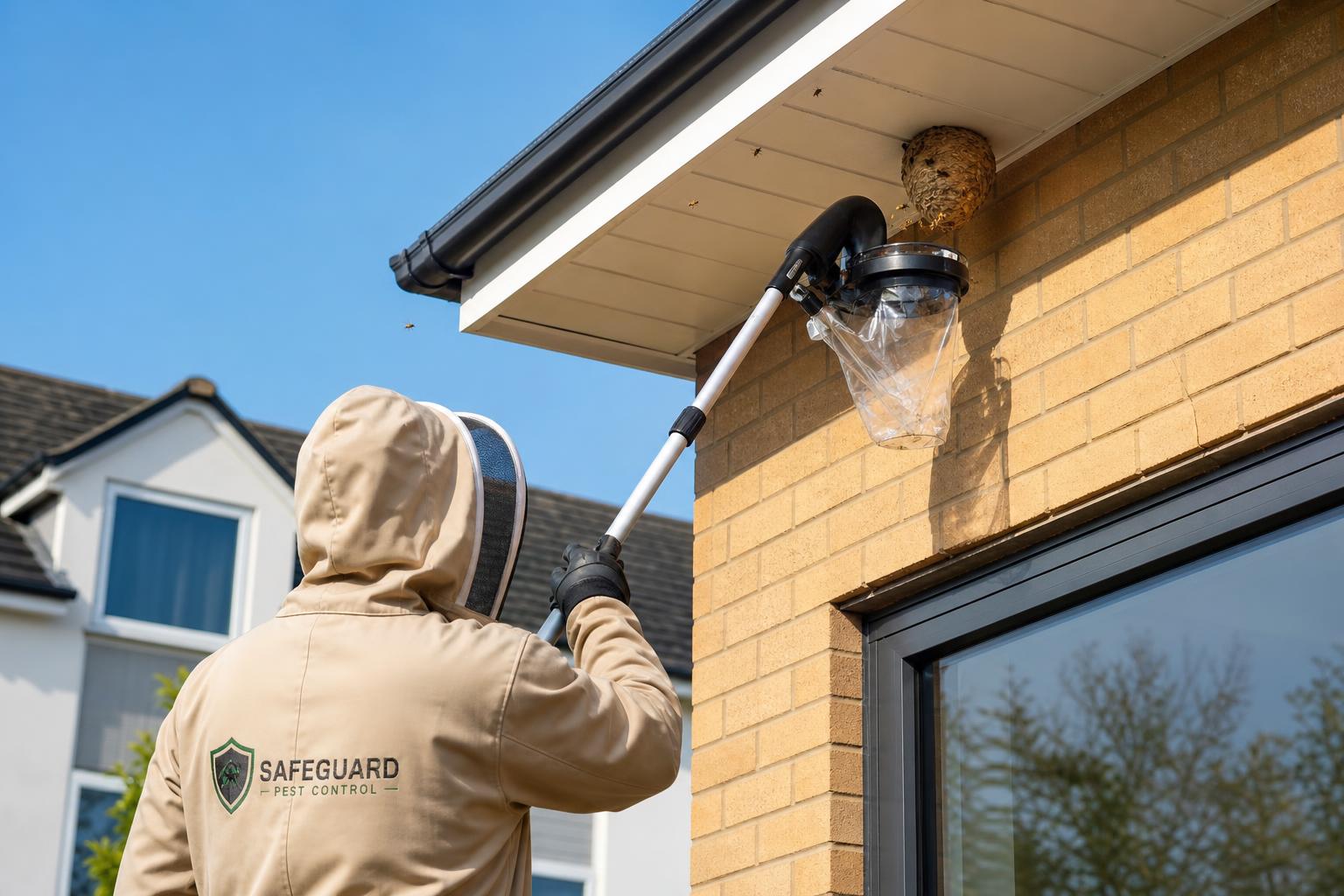
Nest entry behind a soffit
Common waspWasps entering a nest behind a soffit — the most common domestic nest location.
What this may indicate: An active nest inside the roof structure. Steady two-way traffic means the nest is established.
- Area
- External / structure
- Stage
- Inspection
 Nesting material
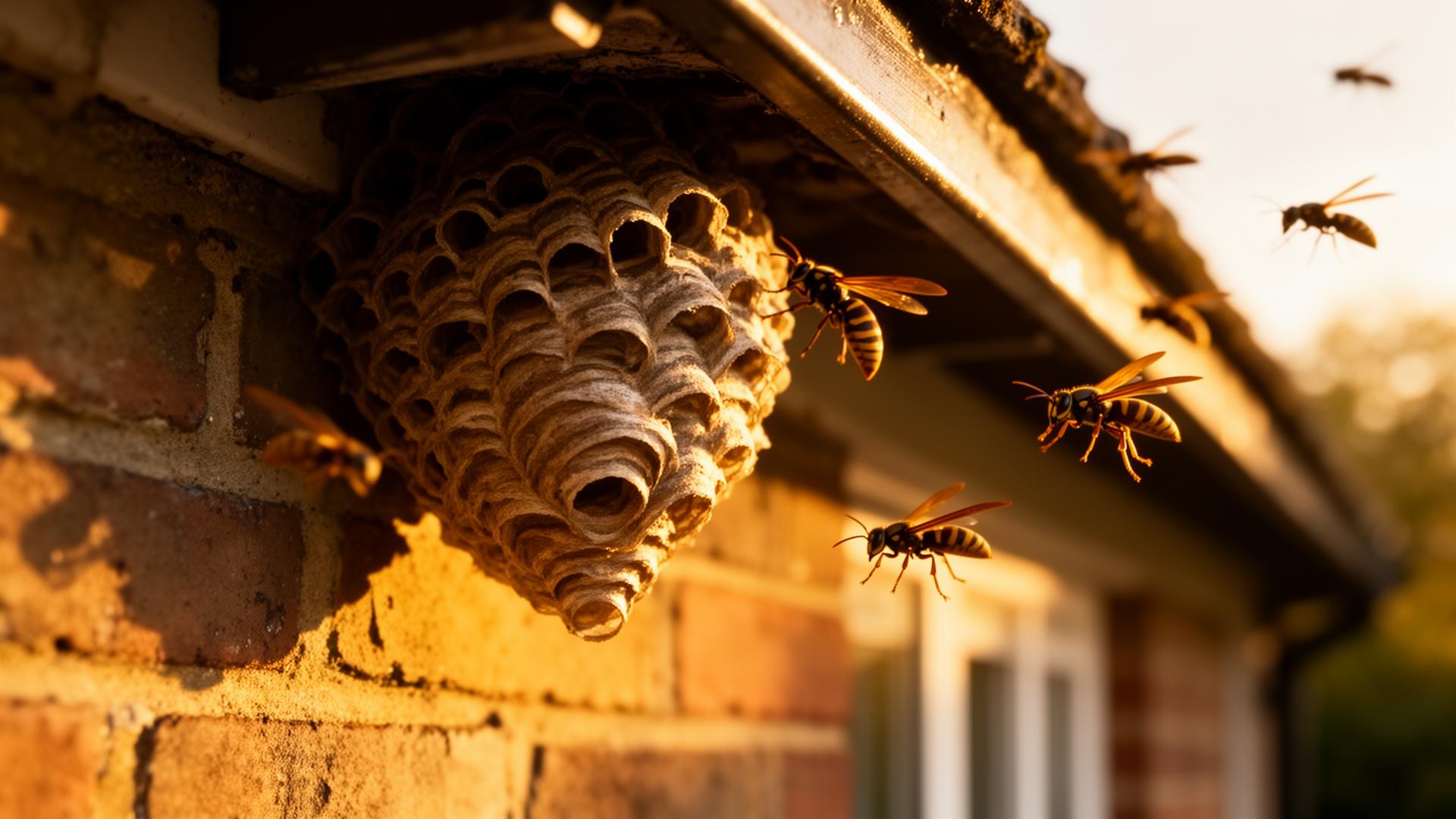
Established loft nest
Common waspA papery nest built against loft timbers, constructed from chewed wood fibre.
What this may indicate: A mature colony. Nest size gives a reasonable guide to colony numbers and risk during treatment.
- Area
- Loft / roof void
- Stage
- Inspection
IdentificationCat flea identification
Cat fleaCat flea on carpet fibres — laterally flattened, dark, and hard to crush.
What this may indicate: Fleas breeding in floor coverings rather than living permanently on a pet.
- Area
- Living space
- Stage
- Reference
Faecal spottingCockroach harbourage
German cockroachHarbourage behind warm kitchen equipment, with characteristic dark speckling nearby.
What this may indicate: A breeding population close to heat and moisture, typically far larger than the number seen.
- Area
- Kitchen
- Stage
- Inspection
Runs and smear marksForaging trail
Black garden antA worker trail running along a kitchen surface towards a food source.
What this may indicate: A pheromone route from an external nest. Following the trail backwards usually locates the nest.
- Area
- Kitchen
- Stage
- Inspection
Structural damageCarpet damage at a room edge
Case-bearing carpet mothThinning and bare patches along a carpet edge beneath furniture.
What this may indicate: Larval feeding in an undisturbed area. Damage almost always starts where the floor is rarely walked on.
- Area
- Living space
- Stage
- Inspection
LarvaeCarpet beetle larvae
Varied carpet beetleBristled larvae — the 'woolly bear' stage — on floor fibres.
What this may indicate: Active breeding. The larvae, not the adult beetles, cause the damage.
- Area
- Living space
- Stage
- Inspection
IdentificationEuropean hornet identification
European hornetEuropean hornet (Vespa crabro) — noticeably larger than a common wasp, with brown and yellow markings.
What this may indicate: Confirms species. Hornets are frequently reported when the insect is in fact a large queen wasp.
- Area
- Not specified
- Stage
- Reference
Documented treatment cases are published to the Treatment Library once each record has been anonymised and approved.