
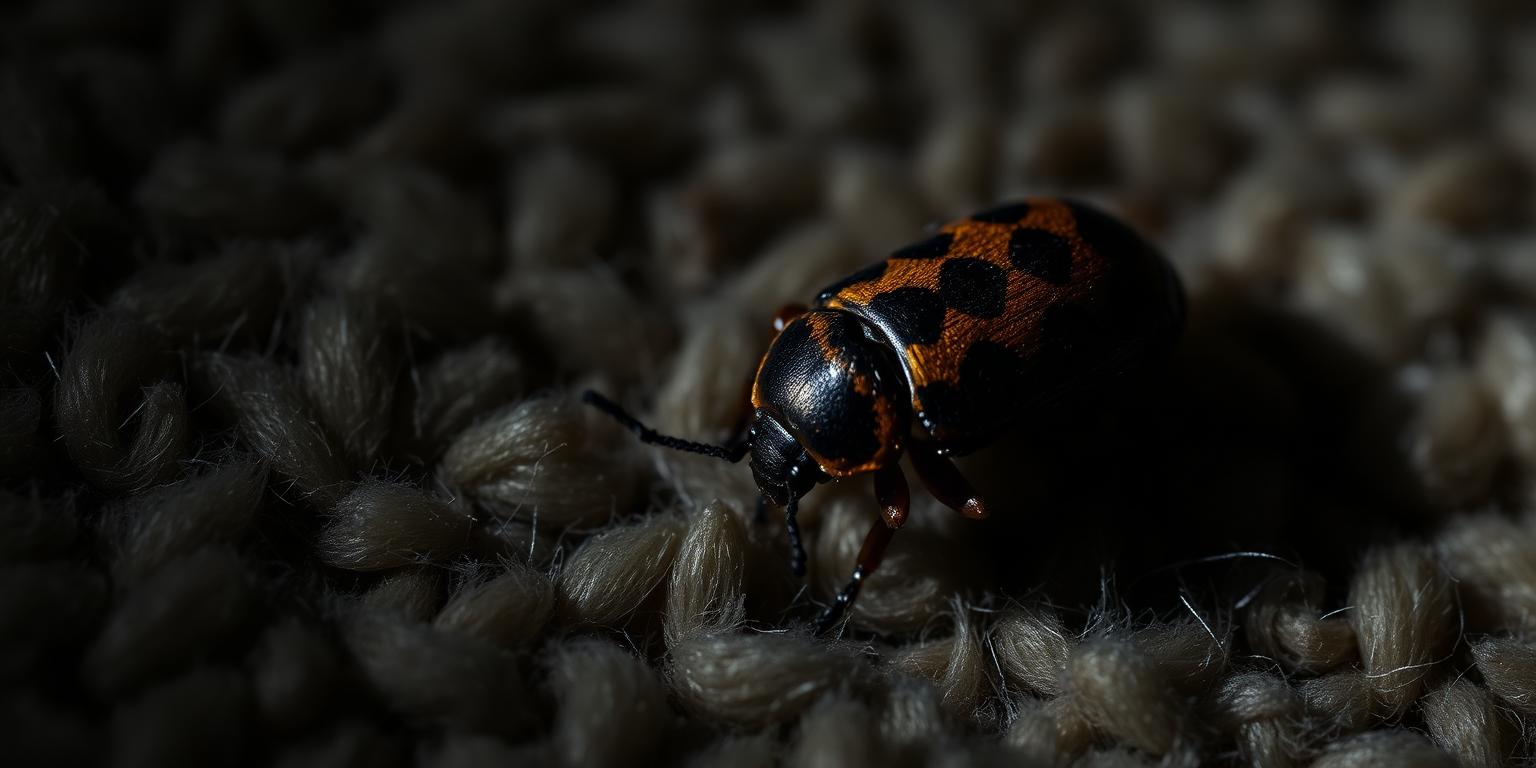
Carpet Beetles control across Hertfordshire
Specialist carpet beetle treatments to protect carpets, wool and natural fibres.
Signs of carpet beetles
- Small irregular holes in carpets, rugs and woollen items
- Shed larval skins (cast skins) along skirting boards and under furniture
- Hairy brown larvae (woolly bears) in quiet, undisturbed areas
- Small mottled adult beetles on windowsills in spring and summer
Why it matters
- Costly damage to carpets, clothing, upholstery and museum-type items
- Allergic skin reactions from contact with larval hairs
Prevention tips
- Vacuum carpets, edges and under furniture regularly
- Remove old bird nests from soffits, chimneys and lofts
- Store wool and natural fibres in sealed bags or containers
A brief history of carpet beetles
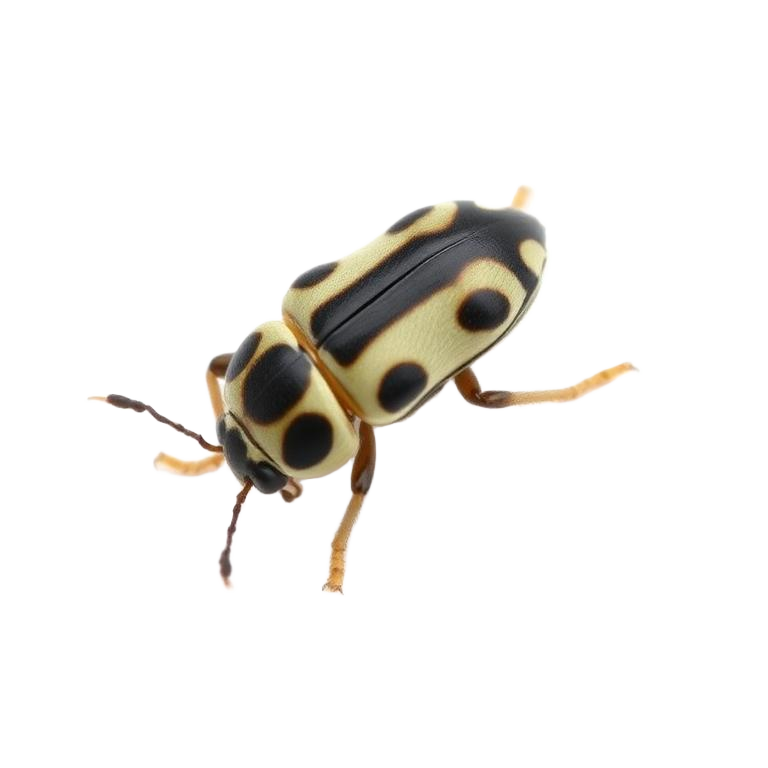
Carpet beetles belong to the family Dermestidae — nature's recyclers of hides, wool and feathers, now thriving in modern British homes.
Carpet Beetles in Hertfordshire
Carpet beetles have quietly damaged Hertfordshire's textiles for generations, particularly in the great country houses at Hatfield, Knebworth and Ashridge, where wool carpets, tapestries and taxidermy gave dermestid larvae plenty to feed on. As fitted woollen carpets and upholstered furniture spread through Victorian and Edwardian homes in St Albans, Watford and Hertford, the varied carpet beetle became increasingly common. The post-war boom in roof insulation and centrally heated lofts created a perfect new habitat — old bird and squirrel nests in soffits and chimneys give larvae a steady food source, and adults then move down into the living space. Today's Hertfordshire carpet beetle work nearly always combines treatment of affected rooms with a careful loft inspection to remove nesting material and break the supply chain at source.
Key milestones
- Tens of millions of yearsAncient recyclers
Dermestid beetles have long fed on animal protein in nests, carcasses and burrows.
- ArchaeologyFound in ancient sites
Their remains turn up in deposits of hides, wool and feathers across the ancient world.
- Late 19th centuryRise in British homes
Fitted woollen carpets and upholstered furniture gave them ideal new habitats.
- TodayLoft and bird-nest link
Insulated lofts with old bird nests fuel modern infestations of the varied carpet beetle.
How we treat carpet beetles
Step 1
Detailed inspection to locate larvae, harbourages and bird/rodent nests acting as a food source
Step 2
Targeted residual insecticide to carpets, edges, voids and roof spaces
Step 3
Follow-up visit to confirm the breeding cycle has been broken
Speak to a carpet beetle specialist today
Tell us a little about the problem and a local technician will call you back to confirm a price and an appointment — typically the same working day.
- Fixed quotes — no call-out fees
- Same-day & weekend appointments where possible
- Discreet, unmarked vehicles available
- Fully insured technicians
Ask any question about carpet beetles
Type a question below and our AI assistant will answer instantly — no waiting, no forms.
Carpet Beetles: in-depth advice
Practical advice on carpet beetles
If you suspect carpet beetles in your home or business, act early — small problems are far quicker, cheaper and less disruptive to treat than an established infestation. Try to note where you see activity, at what time of day, and whether it is concentrated around food, water, warmth or hidden harbourages. Photographs of any insects, droppings or damage are genuinely useful when you call us, because they help us identify the species and bring the right products on the first visit.
In the meantime, focus on the basics: vacuum carpets, edges and under furniture regularly; remove old bird nests from soffits, chimneys and lofts; store wool and natural fibres in sealed bags or containers. Avoid spraying supermarket products around the area you suspect is the nest or harbourage — many over-the-counter sprays repel insects and push them deeper into wall voids, cavities and adjoining rooms, which makes professional treatment slower and more expensive. If you live in a flat or terrace, let neighbours know what you're seeing; carpet beetles rarely respect property boundaries and a coordinated approach is almost always more effective than treating one property in isolation.
Our Hertfordshire technicians are happy to talk through what you're seeing before you commit to a treatment. Call 01727 601 007 for honest advice — if it isn't a carpet beetle problem, or if simple housekeeping will resolve it, we'll tell you.
For how treatment itself is carried out, see our insect treatment programmes.
Other insects we treat
Got a carpet beetle problem?
Call us today for honest advice and a fast appointment across Hertfordshire.