
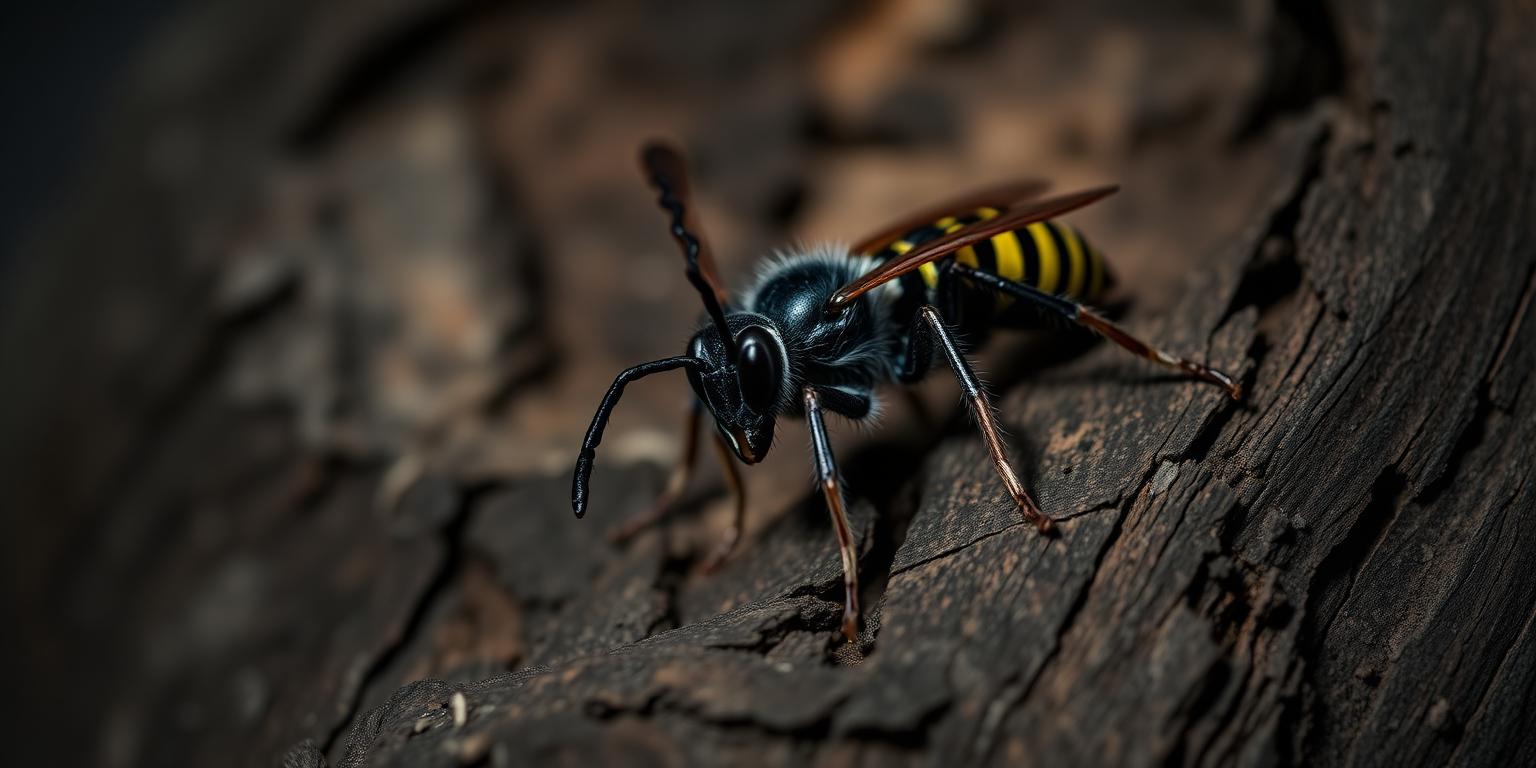
Hornets control across Hertfordshire
Professional hornet nest treatment for European and Asian hornets.
Signs of hornets
- Large brown and yellow hornets around the property
- Nests in tree cavities, lofts, wall voids or outbuildings
- Hornets hawking near beehives — a sign of Asian hornet activity
Why it matters
- Powerful, painful stings with higher venom volume than wasps
- Serious risk of allergic reaction, particularly from multiple stings
- Threat to honey bees and pollinators from invasive Asian hornets
Prevention tips
- Inspect lofts, sheds and tree cavities in spring for queen nests
- Seal gaps and holes in roofs, soffits and outbuildings
- Avoid disturbing any large nest — call a professional
A brief history of hornets
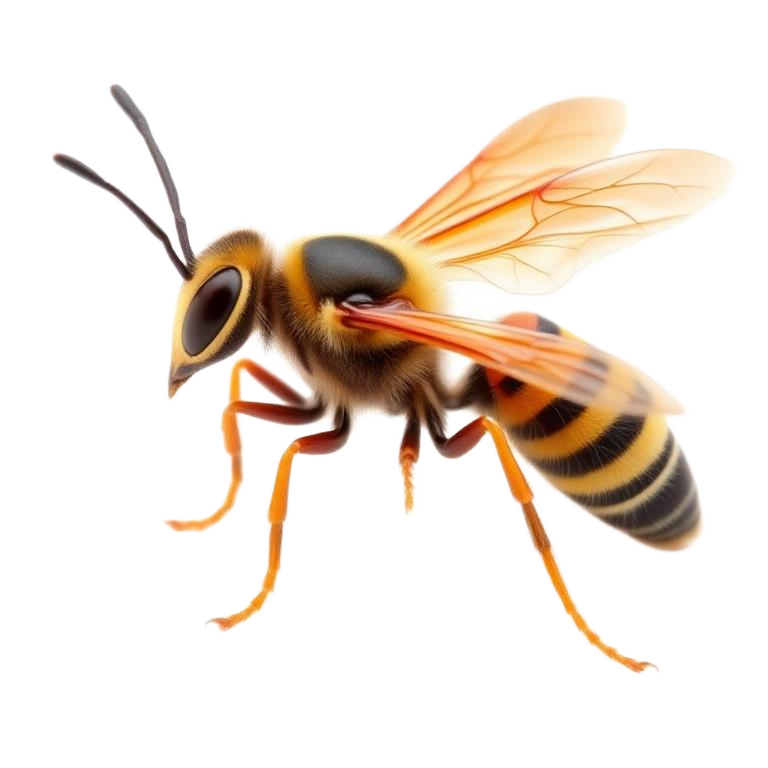
The UK's native European hornet has shared our woodlands for thousands of years, but the invasive Asian hornet is now reshaping the story.
Hornets in Hertfordshire
The native European hornet has nested in Hertfordshire's ancient woodlands — Broxbourne Woods, Ashridge and the wooded estates of the Chilterns — for thousands of years, traditionally in hollow oaks and beech. Historically, rural communities largely left hornets alone unless a nest threatened a farmhouse or stable, recognising them as useful predators of crop pests. As farmland gave way to suburbs and old barns were converted into homes, more nests began appearing in lofts and outbuildings across the county, prompting the rise of professional treatment in the late 20th century. Since 2016, Hertfordshire beekeepers and pest controllers have also been on alert for the invasive Asian hornet, with confirmed sightings elsewhere in southern England triggering rapid reporting to the National Bee Unit. Today's local work combines safe PPE-protected treatment of European hornet nests with active surveillance for the Asian species.
Key milestones
- Prehistory onwardsNative to Britain
Vespa crabro has nested in hollow trees and outbuildings across the UK for thousands of years.
- Today (Europe)Protected status
Despite their size, European hornets are relatively docile and are protected in several countries.
- 2004Asian hornet in Europe
Vespa velutina was accidentally introduced into France and spread rapidly across the continent.
- 2016 onwardsConfirmed in the UK
Sightings now trigger an active national monitoring and eradication programme to protect honey bees.
How we treat hornets
Step 1
Survey to confirm hornet species and locate the nest safely
Step 2
PPE-protected treatment of the nest with professional insecticide
Step 3
Reporting of suspected Asian hornet sightings to the relevant authorities
Speak to a hornet specialist today
Tell us a little about the problem and a local technician will call you back to confirm a price and an appointment — typically the same working day.
- Fixed quotes — no call-out fees
- Same-day & weekend appointments where possible
- Discreet, unmarked vehicles available
- Fully insured technicians
Ask any question about hornets
Type a question below and our AI assistant will answer instantly — no waiting, no forms.
Hornets: in-depth advice
Practical advice on hornets
If you suspect hornets in your home or business, act early — small problems are far quicker, cheaper and less disruptive to treat than an established infestation. Try to note where you see activity, at what time of day, and whether it is concentrated around food, water, warmth or hidden harbourages. Photographs of any insects, droppings or damage are genuinely useful when you call us, because they help us identify the species and bring the right products on the first visit.
In the meantime, focus on the basics: inspect lofts, sheds and tree cavities in spring for queen nests; seal gaps and holes in roofs, soffits and outbuildings; avoid disturbing any large nest — call a professional. Avoid spraying supermarket products around the area you suspect is the nest or harbourage — many over-the-counter sprays repel insects and push them deeper into wall voids, cavities and adjoining rooms, which makes professional treatment slower and more expensive. If you live in a flat or terrace, let neighbours know what you're seeing; hornets rarely respect property boundaries and a coordinated approach is almost always more effective than treating one property in isolation.
Our Hertfordshire technicians are happy to talk through what you're seeing before you commit to a treatment. Call 01727 601 007 for honest advice — if it isn't a hornet problem, or if simple housekeeping will resolve it, we'll tell you.
For how treatment itself is carried out, see same-day wasp nest removal.
Other insects we treat
Got a hornet problem?
Call us today for honest advice and a fast appointment across Hertfordshire.