
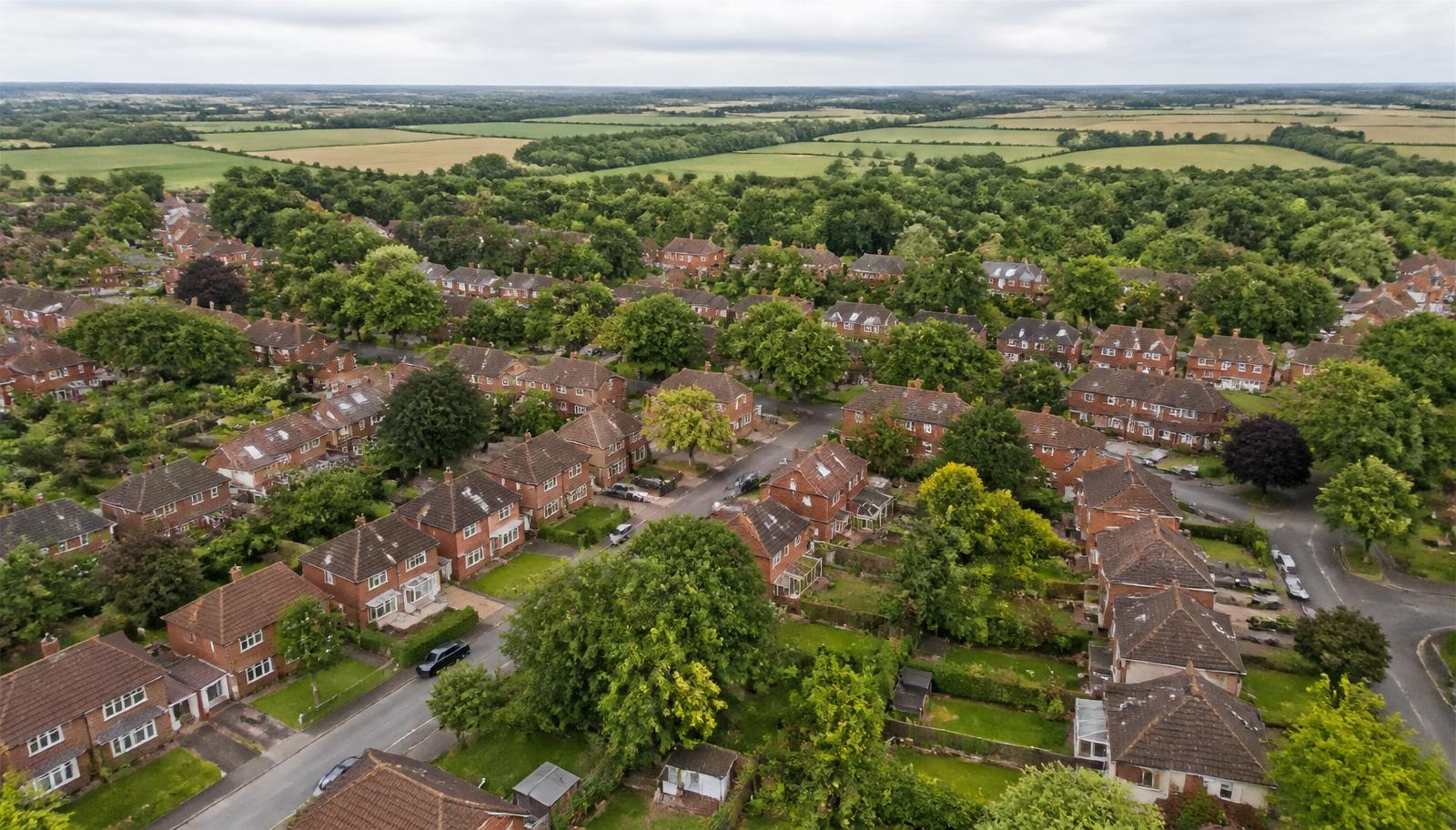

High Street, Amwell End & Star Street (SG12)
Rodents in cellars and kitchen voids behind the trade, mice in flats above shops, and fly pressure on narrow shared refuse yards.
Serving SG11 and SG12 and surrounding Hertfordshire areas.
Riverside cottages and modern estates alike need targeted rodent and insect control. We cover the High Street, Musley Hill and Wareside and the wider Ware area (SG11, SG12).
Ware town · East Hertfordshire district · SG11 · SG12
Ware sits within the East Hertfordshire district. The outline shown is the Ware town council area, not the wider district.
A Lea-side town of maltings, gazebos and narrow yards, with the navigation running through the middle and farmland beyond.
Ware's defining features are the river and the maltings. The Lea navigation, the riverside gazebos and the millstreams run straight through the town, giving rats permanent water, cover and a route that ignores boundaries. Gardens and premises along the High Street riverside, Amwell End, Star Street and the towpath get the most consistent rodent pressure we see in SG12, and the durable fix is harbourage clearance and proofing, not bait alone.
The converted maltings, Georgian frontages and narrow yards behind the High Street add the second layer: cellars, suspended timber floors, unlined roof voids and shared party walls, with flats above shops and a compact pub and restaurant trade at ground level. Rodents in that stock travel through voids and between units, so we survey the building rather than the single flat, and licensed premises get scheduled visits with records.
Beyond the town, Musley Hill, Trinity Road and Kingsway are denser housing with shared voids and garage courts, while Wareside, Thundridge, Widford, Great Amwell and Stanstead Abbotts are farmland- and river-valley properties. Those are field mouse and rat proofing jobs around barns, stables and feed stores, and they need a longer visit than a town callout.
Patterns our technicians see repeatedly in each part of town — and the reason behind them.
Rodents in cellars and kitchen voids behind the trade, mice in flats above shops, and fly pressure on narrow shared refuse yards.
Established rat runs from river and millstreams into riverside gardens, sheds and decking — the town's steadiest rodent pressure.
Mice under suspended floors and behind panelling, squirrels into unlined roof voids at chimney flashings and verge tiles.
Mice between terraced runs through shared under-floor voids, plus summer soffit and cavity wasp nests.
Rats in garage courts, sheds and raised borders on gardens backing onto green space and farmland.
River-valley and farmland edge: autumn field mice into garages and outbuildings, rats in barns, stables and feed stores.
When each problem peaks locally, so you can treat at the right time rather than the expensive time.
March – May
Towpath and garden clearance along the navigation exposes runs active all winter. The best window of the year for proofing riverside property.
June – August
Nests in Georgian gable and soffit voids, maltings rooflines and the Musley Hill and Kingsway housing, plus barn and stable nests in the villages.
September – November
The heaviest mouse season in the period stock, with field mice moving into village garages and outbuildings from the surrounding farmland.
December – February
Indoor rodent work across the older stock and heavier pressure on High Street cellars, kitchens and refuse yards as outdoor food drops away.
Large voids, suspended floors and party walls. We trace the actual route between units and seal it; treatment on its own rarely holds here.
External rodent work: clearing harbourage, securing bins and feed, and tamper-resistant baiting placed away from children, pets and the water.
Scheduled visits with monitoring points, site plans and recorded findings for environmental health, timed before opening or after service.
Outbuildings, stables and stored feed, where proofing and storage discipline do most of the work.
Ware jobs are river rats, maltings and period-building rodents, summer nests, and cellar and kitchen work on the High Street. Here is where each one goes.
Urgent, same-day help
Rats in a kitchen, a nest at a shop door or activity found before a tenancy starts gets priority. SG12 and SG11 are on our weekly rounds, so urgent work is usually attended same or next working day.
Typical enquiries
Rats and mice
The Lea navigation and millstreams give rats permanent water, cover and a route through town, so riverside gardens and yards get continuous pressure. In the maltings conversions and Georgian property mice travel through large floor and ceiling voids between units, so we survey the building rather than the single flat.
Typical enquiries
Wasps and hornets
From late June nests appear in Georgian gable and soffit voids, maltings rooflines and the Musley Hill and Kingsway housing, and in barns and stables in the surrounding villages. Most are treated in one visit at the entry point.
Typical enquiries
Bed bugs
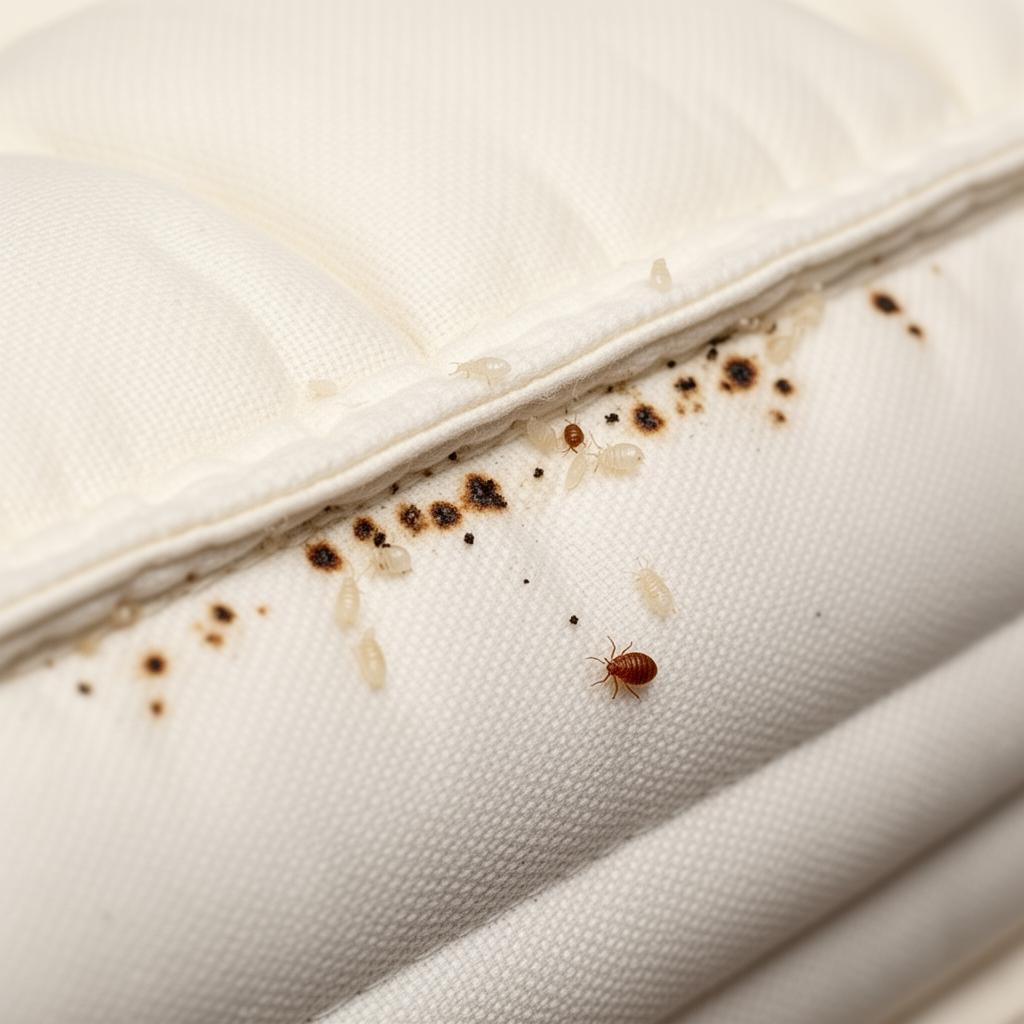
Bed bug work here sits mainly in High Street flats, shared houses and short lets. We inspect room by room, confirm evidence before quoting, and offer heat treatment where the property and preparation allow it — useful in conversions with awkward voids.
Typical enquiries
Businesses, landlords and letting agents
High Street pubs, restaurants and cafés with old cellars and narrow refuse yards, plus offices, schools and rented housing, need records as well as treatment. Programmes include monitoring points, site plans, proofing schedules and recorded findings suitable for environmental health.
Typical enquiries
Every treatment we carry out for homes, landlords and businesses in Ware. Choose a service to see pricing, process and booking.












Every visit is written up as a digital service record — sample shown, no customer details.
Every inspection is photographed, every treatment is recorded and every visit is written up — so you can see exactly what was found, what was treated and what happens next.
Formally qualified technicians, not self-taught operators.
Full public liability and treatment cover on every visit.
We find and prove the source before anything is treated.
A digital service record after every visit — findings, products, locations.
An evidence-first approach — every finding documented so you can see exactly what was found, treated and prevented.

We work Ware and the surrounding Hertfordshire villages week in, week out — we know the housing stock, drainage and seasonal patterns.
Findings photographed and shared with you, not just described.
Every visit logged and retrievable — ideal for landlords and audits.
Products, quantities and locations recorded on a signed report.
Used where appropriate to protect both customer and technician.
In-house bed bug heat equipment — a genuine specialism, not subcontracted.
Homes, HMOs, agencies, food premises and industrial sites.
What we are actually called out to in and around Ware, and when.
Older drain runs, compost heaps and decking in Ware give rats shelter and a food source. Burrows near boundary fences are usually the first sign — see rat control.
From October onwards mice move indoors through airbricks, cable entries and loft eaves. Droppings behind kitchen units are the classic report — see mouse control.
Peak call-outs across Ware run July to September, usually soffits, loft insulation and garden sheds — see wasp control.
Most Ware bed bug cases trace back to travel, second-hand furniture or a shared building. Heat treatment clears every life stage in one visit — see bed bug treatment.
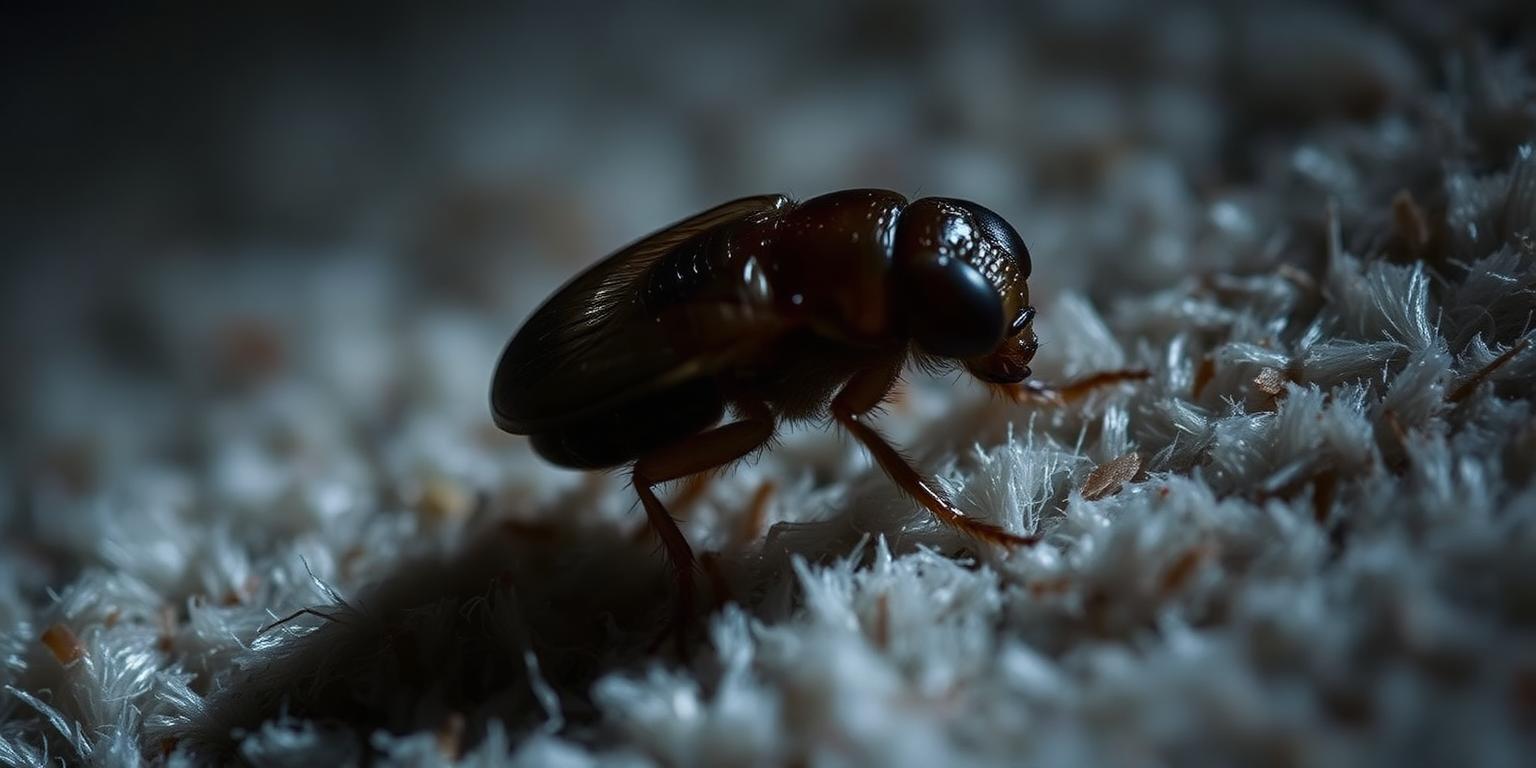
Cat and hedgehog fleas survive in carpets long after the animal has gone, which is why empty Wareproperties still bite — see flea control.
Garden ants forage indoors from late spring, typically along kitchen skirting and patio joints — see ant control.
Pigeon and gull fouling on Ware rooflines, solar panels and signage is a health and access issue — netting and spiking are handled under bird control.
Cluster flies in autumn lofts, squirrels in roof voids over winter, and stored-product insects in pantries year round — activity we track locally through our pest activity map.
A typical property cross-section showing the zones our technicians inspect first, and why each one matters.
Every ward, neighbourhood and village below has its own Ware-area coverage page with local detail and an enquiry form.
Ware jobs are covered by the same countywide teams and record-keeping used everywhere in Hertfordshire. If you want the detail behind a particular programme, these are the main service pages:
Common questions from Ware customers.
Drop your details in and a Ware-area technician will get straight back to you with a price and an appointment.