
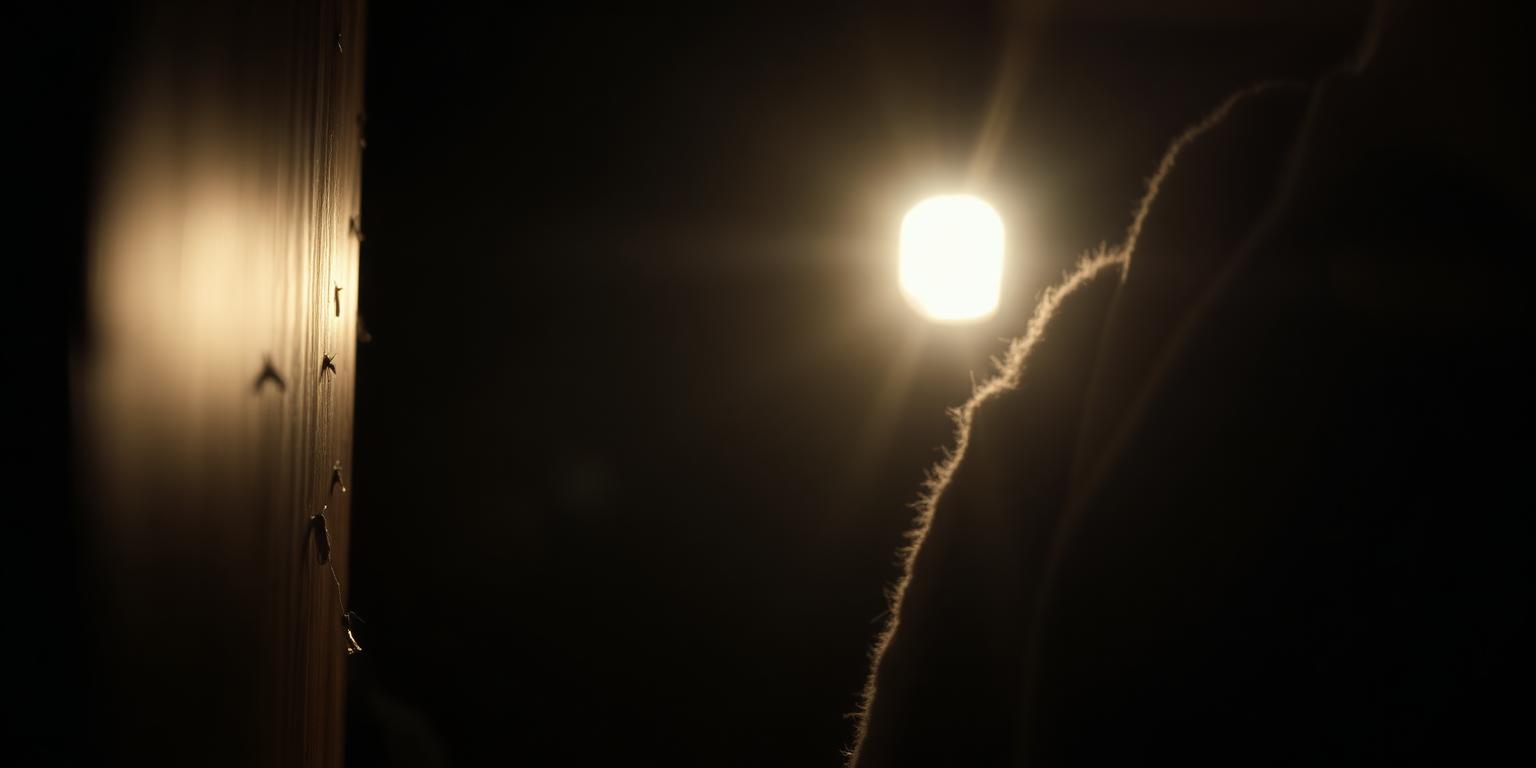
Case-bearing carpet moth
Tinea pellionella
A textile pest whose larvae — not the adult moths — cause the damage, feeding on keratin in wool carpets, rugs and clothing.
Quick facts
- Adult size
- 6–8mm
- Eggs per female
- 40–100
- Life cycle
- 4–6 months
- Damage caused by
- Larvae
Also known as: Case-bearing clothes moth, Carpet moth
Species at a glance
Moderate risk- Scientific name
- Tinea pellionella
- Alternative names
- Case-bearing clothes moth, Carpet moth
- Average size
- 6–8mm adult
- Average weight
- Under 5mg
- Activity
- Crepuscular
- Diet
- Larvae feed on keratin — wool, silk, fur, feathers and hair. Adults do not feed.
- Typical habitat
- Wool carpet edges, under furniture and quiet wardrobes
- Active season
- Spring to early autumn
Why the moderate risk rating: Permanent larval damage to wool carpets, rugs and clothing.
About the case-bearing carpet moth
It is the larvae that do the harm. Adult moths do not feed at all; they exist only to breed. Larvae digest keratin from wool, silk, fur and feathers, and thrive in undisturbed, darkened areas: beneath furniture, along skirting edges, in wardrobes and under rugs. Modern warm homes have made year-round breeding routine.
- Diet
- Larvae feed on keratin — wool, silk, fur, feathers and hair. Adults do not feed.
- Breeding
- A female lays 40–100 eggs. The cycle takes 4–6 months depending on temperature, with several overlapping generations in a heated home.
- Lifespan
- Adults 2–4 weeks; larvae several months.
How to identify it
- Adults 6–8mm, buff to golden-brown with a slight sheen, weak fluttering flight
- Larvae are cream-coloured, 8–10mm, and carry a silk case coloured by the fibres they eat
- Damage appears as threadbare patches with visible backing
- Fine silk webbing and gritty frass in affected areas
Signs, behaviour and where they live
Signs of activity
- Threadbare patches in wool carpet at room edges and beneath furniture
- Small silk cases attached to carpet, skirting or clothing
- Fine webbing and sand-like frass along carpet edges
- Small buff moths fluttering low along skirting boards
- Irregular holes in stored wool clothing
Behaviour
- Adults avoid light and rarely fly far — sightings mean a local breeding site
- Larvae feed for several months and prefer undisturbed dark areas
- Soiled textiles are targeted preferentially over clean ones
- Central heating removes any winter pause in the breeding cycle
Where you'll find them
- Wool carpet beneath sofas, beds and wardrobes
- Skirting edges, under-stair areas and behind radiators
- Wardrobes containing wool, cashmere and stored winter clothing
- Loft insulation and stored textiles, and old bird or rodent nests
Seasonal activity in Hertfordshire
Twelve-month activity profile for carpet moths, based on our Hertfordshire call-out records.
- JanJanuary: Moderate activity
- FebFebruary: Moderate activity
- MarMarch: Rising activity
- AprApril: Rising activity
- MayMay: High activity
- JunJune: High activity
- JulJuly: High activity
- AugAugust: Rising activity
- SepSeptember: Moderate activity
- OctOctober: Moderate activity
- NovNovember: Moderate activity
- DecDecember: Moderate activity
- Peak period
- May to August
- Right now
- Typical activity in September
Adult flight peaks in warm months, but heated homes support breeding all year — damage is often found in winter when furniture is moved.
Moths are usually becoming less noticeable as the season turns. Adult flight peaks in warm months, but heated homes support breeding all year — damage is often found in winter when furniture is moved.
Current local data is limited. The status shown is based primarily on established seasonal behaviour across Hertfordshire. Last reviewed 1 July 2026.
See all Hertfordshire Pest Watch activityWhy carpet moths matter
Health risks
- No direct health risk; occasional skin irritation from larval hairs
Property damage
- Irreversible damage to wool carpets, rugs and runners
- Destruction of cashmere, wool and silk garments
- Damage to antique textiles, upholstery and taxidermy
Carpet moths across Hertfordshire
Carpet moth is one of the fastest-growing enquiries we receive across Hertfordshire's period properties, where original wool carpets, heavy furniture and warm hallways create ideal undisturbed breeding conditions.
Common misconceptions
The moths eat the carpet.
Adults have no functional mouthparts. All damage is caused by the larvae.
Mothballs will sort it.
They may deter adults in a sealed wardrobe but do nothing to larvae already established in carpet.
Only old houses get moths.
Wool carpet plus warmth plus undisturbed floor area is all that is required — new-builds are frequently affected.
Prevention and professional treatment
How to prevent them
- Vacuum thoroughly along skirting edges and beneath furniture
- Move furniture periodically so no floor area stays undisturbed
- Store wool clothing clean, in sealed bags or containers
- Check lofts for old bird nests, a common hidden source
How we treat them
- Survey to locate breeding sites and assess the extent of larval damage
- Residual insecticide to carpet edges, beneath furniture and into skirting junctions
- Treatment of wardrobes and stored textiles where affected
- Pheromone monitoring to confirm the population is declining
- Follow-up visit to catch the next emerging generation
Treatments for carpet moths
Case-bearing carpet moth questions, answered
The questions our technicians are asked most often about carpet moths in Hertfordshire.
Ask anything about the case-bearing carpet moth
This assistant is reading the case-bearing carpet moth profile with you — there's no need to say which pest you mean. Answers are educational and evidence-based.
Questions are recorded anonymously so we can improve HPE Knowledge. No personal data is stored.
Related content in HPE Knowledge
Related species
Related knowledge
- Prevention guidePractical proofing and housekeeping steps for this species.
- AI Pest IdentifierNot sure what you have? Describe it and get an identification.
- Hertfordshire Pest WatchSeasonal activity across Hertfordshire, reviewed by our technicians.
- Treatment LibraryDocumented treatments and case studies from real jobs.
- Evidence GalleryLabelled field photography showing exactly what to look for.
- Professional Service RecordsSigned, time-stamped records issued after every visit.
Helpful next steps
Professional treatment
Speak to a technician about carpet moths at your property. Fixed price confirmed after a brief inspection.
View treatment optionsView evidence gallery
Labelled field photography showing exactly what the signs look like in a real property.
See the evidenceBrowse the Treatment Library
Documented case studies from treatments carried out across Hertfordshire.
Open the libraryAsk HPE Knowledge
Put a question directly to our case-bearing carpet moth assistant and get an evidence-based answer.
Ask a questionCheck CoverageMaps Pro
Confirm we cover your town, village or postcode and see local activity.
Check coverageContact Hertfordshire Pest Experts
Prefer to talk it through? Call the team or send the details of what you have found.
Get in touchOr head back to the HPE Species Library to compare species.