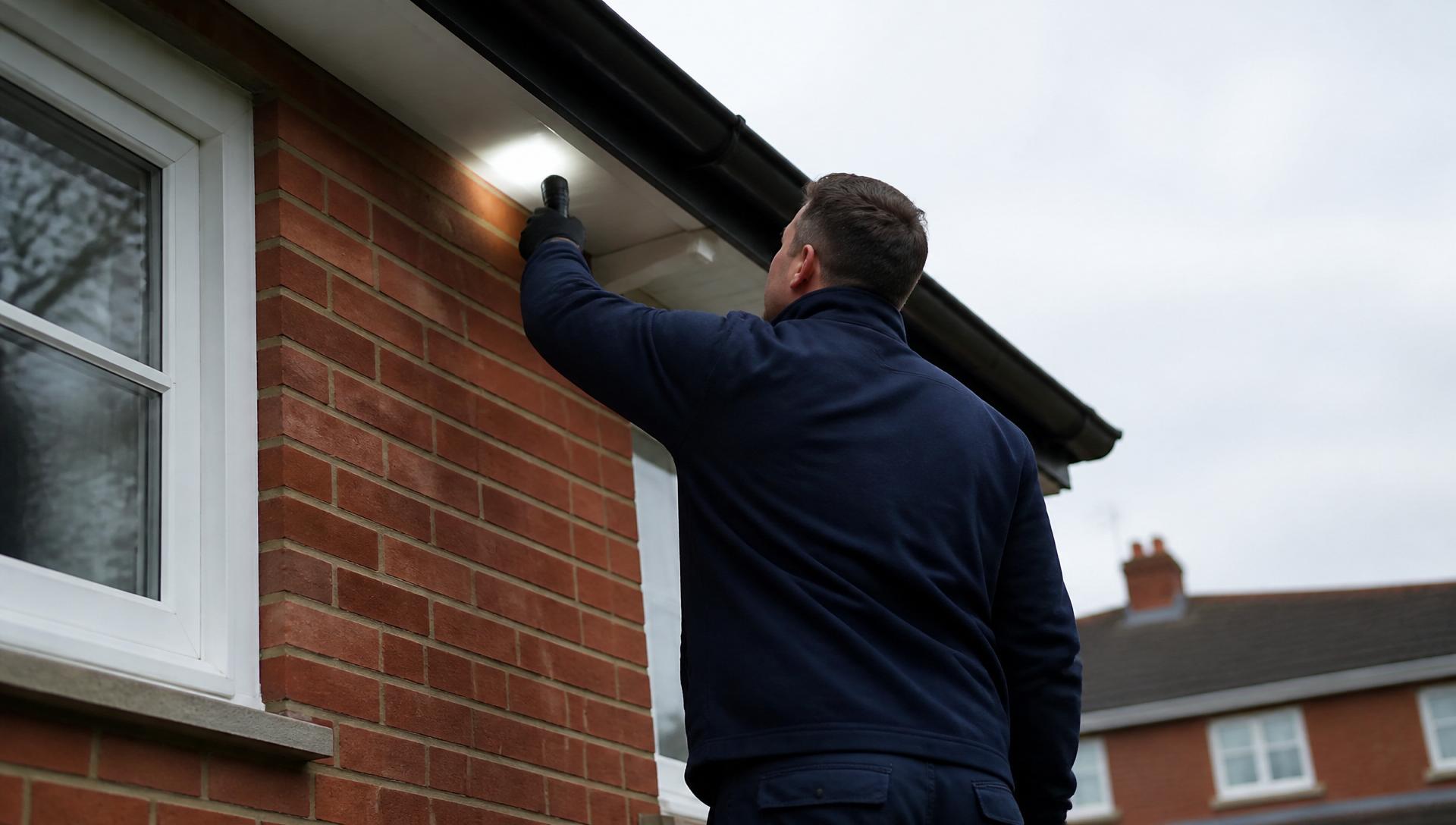
Pest control technician inspecting the roofline and soffit of a Hertfordshire home with a torch
Hertfordshire Pest Watch

What to look out for in August

A seasonal guide to the pest problems Hertfordshire households and businesses typically see at this point in the year — with practical prevention advice for each one.

Not sure what you have?

Use the Species Library for detailed identification, or speak to a technician about anything you have found.

How to read this page

Pest Watch is guidance, not a live measurement of pest numbers. Each status is based on established seasonal behaviour in Hertfordshire, reviewed by our technicians, and updated as the year progresses. We are not currently publishing district-level activity: local reporting data is limited, so everything below applies county-wide.

Last reviewed 1 July 2026 by Hertfordshire Pest Experts technical team.
Current activity across Hertfordshire

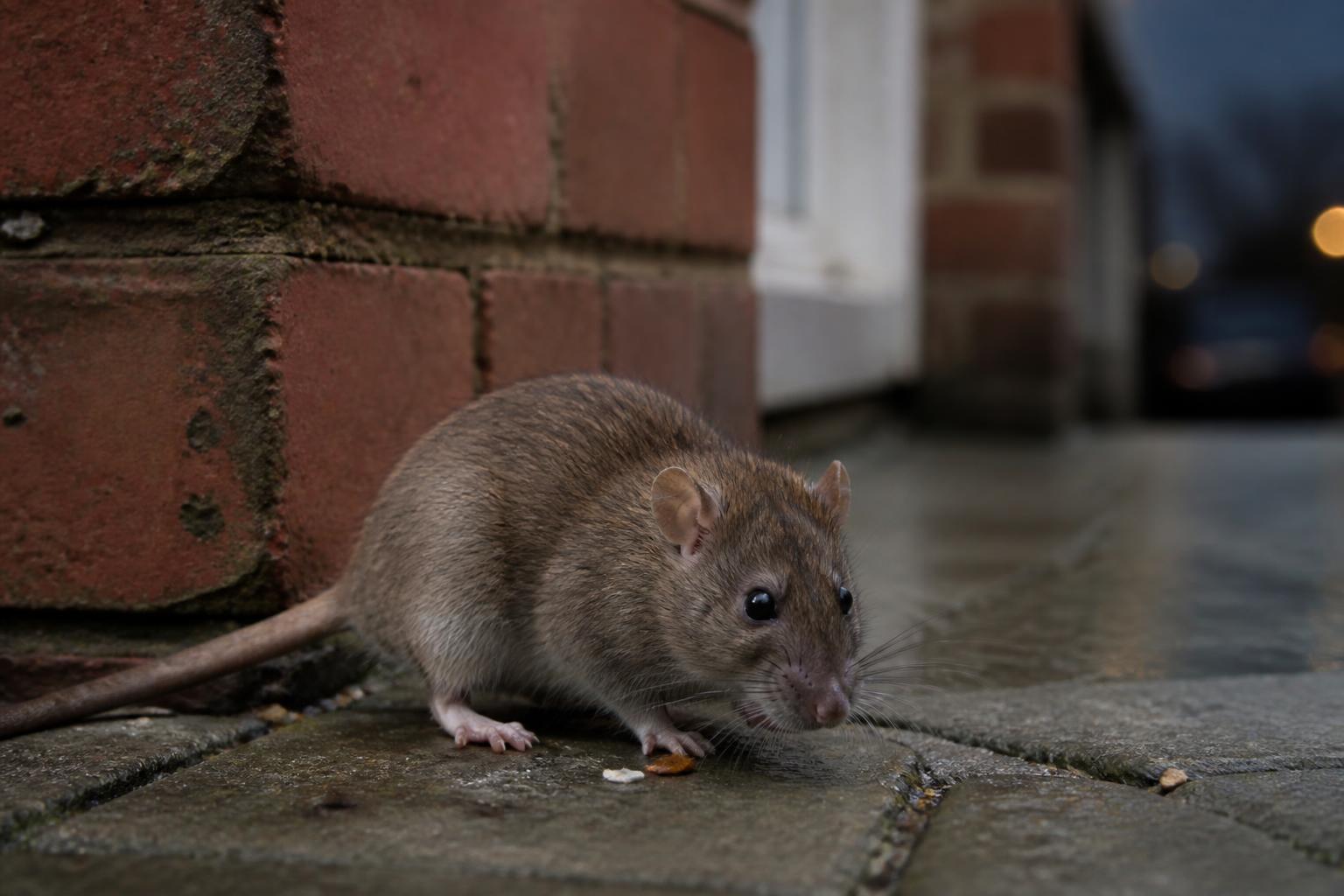
Brown rat (Rattus norvegicus) photographed close up for identification

Brown rats

Activity status: Low
Activity appears to be increasing

Brown rats are usually least noticeable at this point in the year. Harvest, falling temperatures and the first frosts push rats from field margins and river corridors into buildings — Hertfordshire call-outs climb sharply from late September.

What to watch for and do now

  • CCTV drain survey where activity is indoors and no external entry is obvious
  • Seal gaps over 15mm at service entries, airbricks, soffits and door thresholds
  • Remove ground-level food sources: bird feeders, fallen fruit, open compost, pet food

Based on established seasonal behaviour. Current local data is limited.

Last reviewed: 1 July 2026

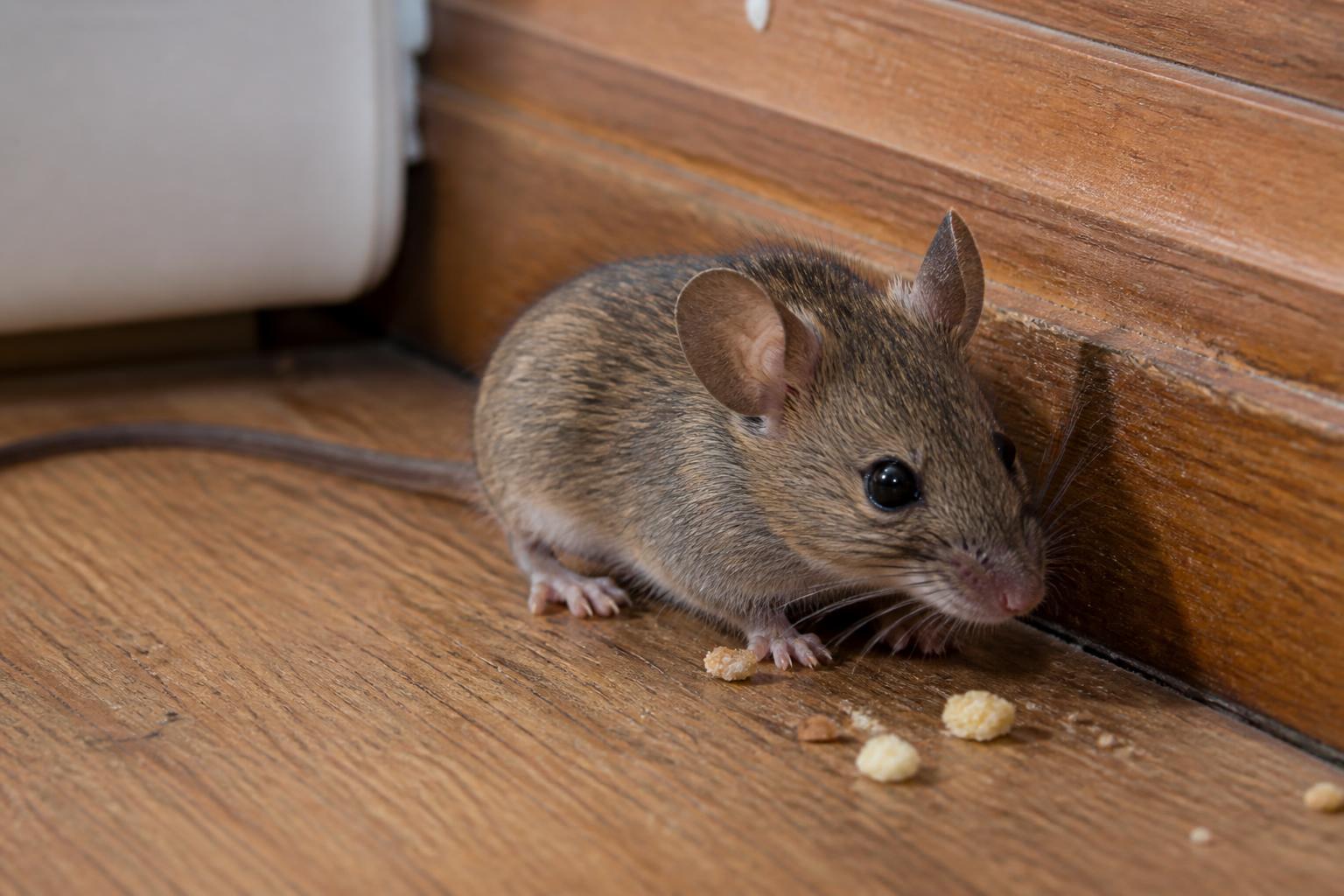
House mouse (Mus musculus) photographed close up for identification

House mice

Activity status: Low
Activity appears to be increasing

House mice are usually least noticeable at this point in the year. Indoor populations peak through the heating season; mice already inside a cavity wall breed year-round regardless of the weather outside.

What to watch for and do now

  • Seal gaps over 6mm around pipework, cabling, airbricks and door thresholds
  • Fit brush or bristle strips to external doors
  • Store dry goods and pet food in rigid sealed containers

Based on established seasonal behaviour. Current local data is limited.

Last reviewed: 1 July 2026

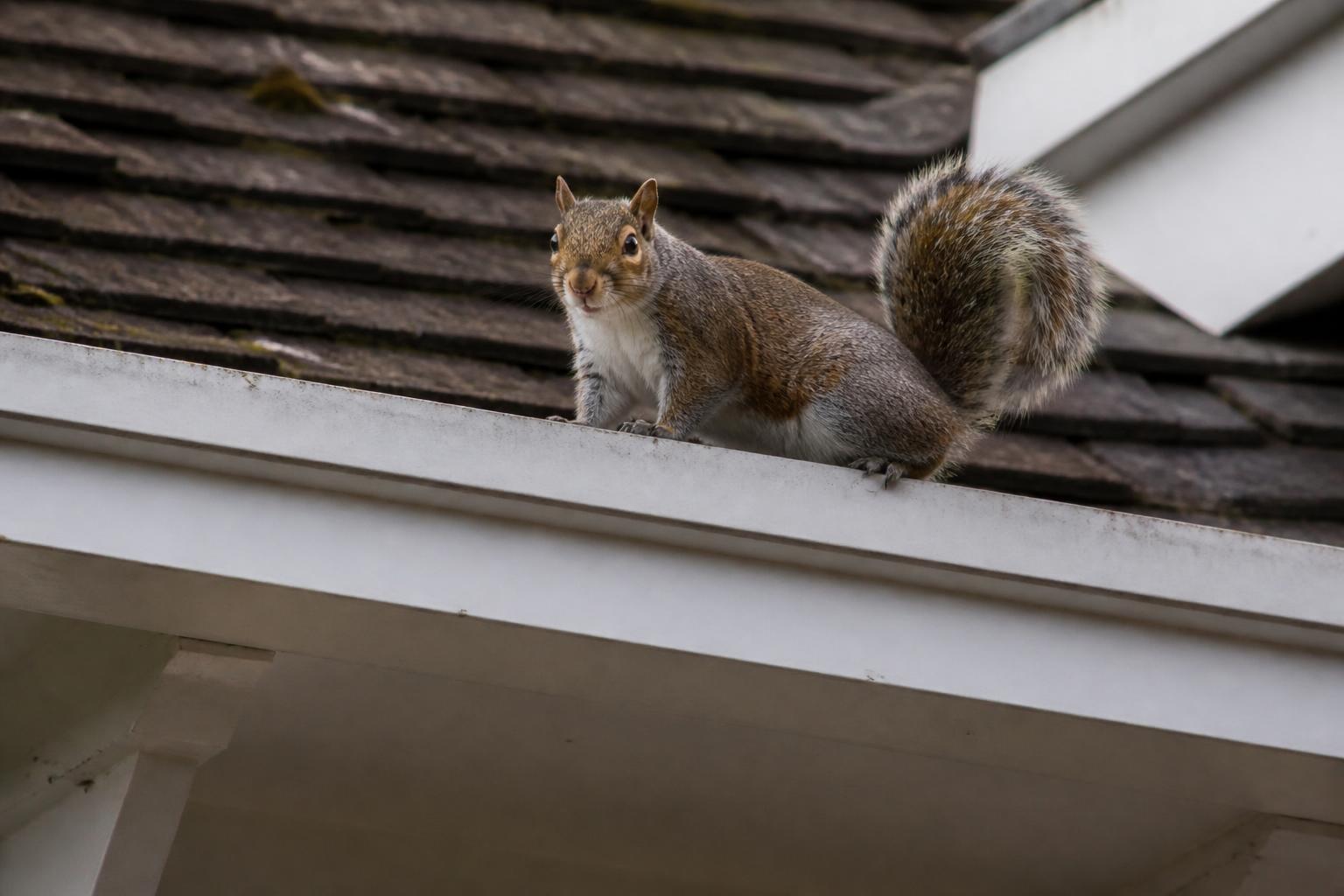
Grey squirrel (Sciurus carolinensis) photographed close up for identification

Grey squirrels

Activity status: Declining
Activity appears to be easing

Grey squirrels are usually becoming less noticeable as the season turns. Loft entry peaks in late winter as females look for a secure drey site, with a second rise in autumn as caching activity increases.

What to watch for and do now

  • Cut back branches to at least 2 metres from the roofline
  • Repair and reinforce soffits, fascias and loose tile edges before winter
  • Fit mesh guards to eaves gaps, vents and open roof valleys

Based on established seasonal behaviour. Current local data is limited.

Last reviewed: 1 July 2026

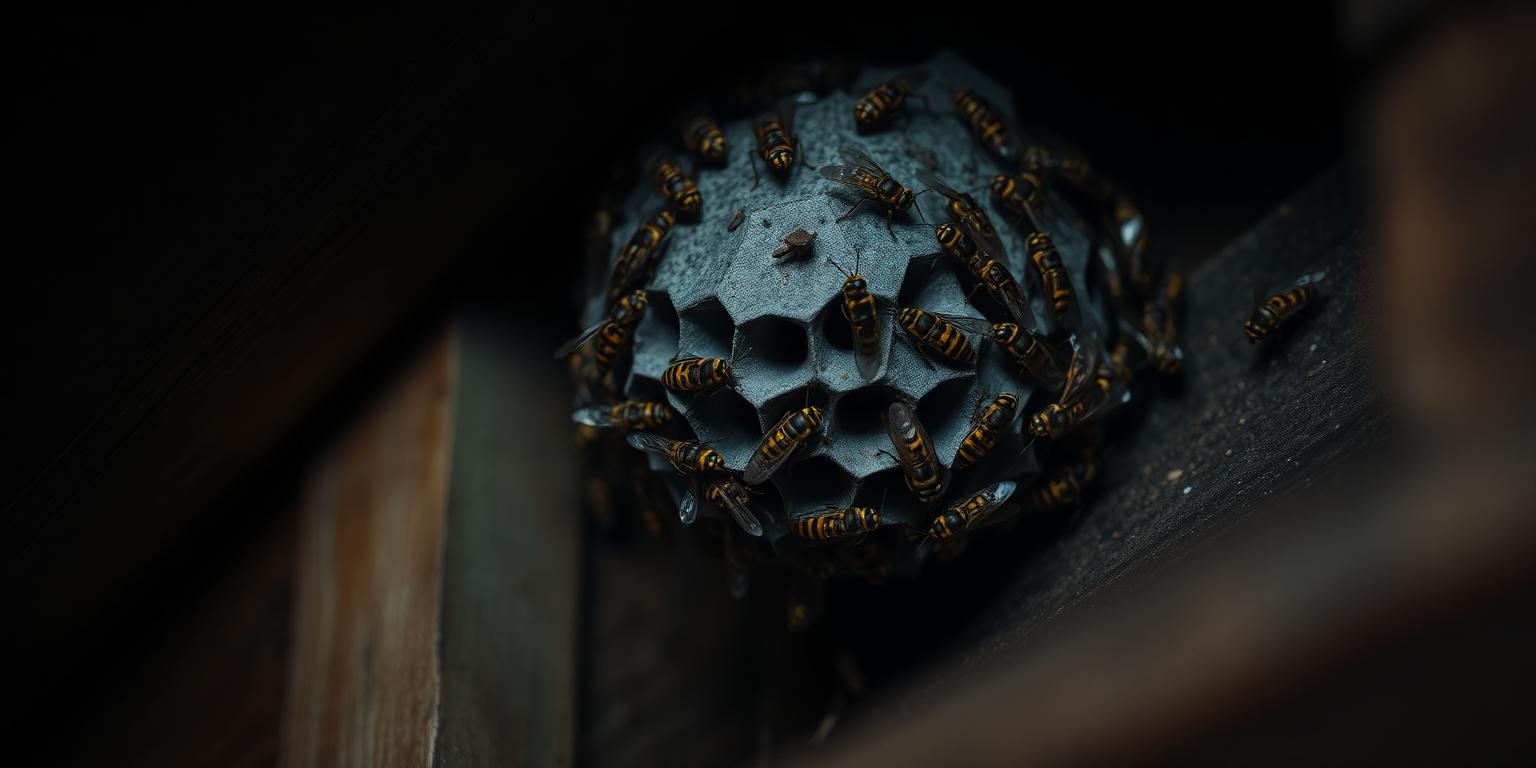
Wasps entering a nest under a soffit

Wasps

Activity status: Elevated
Activity appears steady

Wasps are in their most active period of the year. Nest size and aggression peak in late summer — this is when the overwhelming majority of Hertfordshire wasp call-outs occur.

What to watch for and do now

  • Inspect lofts and sheds in April–May when nests are still small
  • Fit mesh to airbricks, vents and open eaves gaps
  • Keep bins sealed and clear fallen fruit through late summer

Based on established seasonal behaviour. Current local data is limited.

Last reviewed: 1 July 2026

Bed bugs harbouring in a mattress seam

Bed bugs

Activity status: Elevated
Activity appears steady

Bed bugs are in their most active period of the year. Enquiries rise sharply through the travel season as bed bugs return home in luggage, and again in September with student and tenancy movement.

What to watch for and do now

  • Inspect hotel mattress seams and keep luggage off the bed and floor when travelling
  • Hot-wash and tumble-dry clothing on return from trips
  • Inspect second-hand furniture thoroughly before it enters the property

Based on established seasonal behaviour. Current local data is limited.

Last reviewed: 1 July 2026

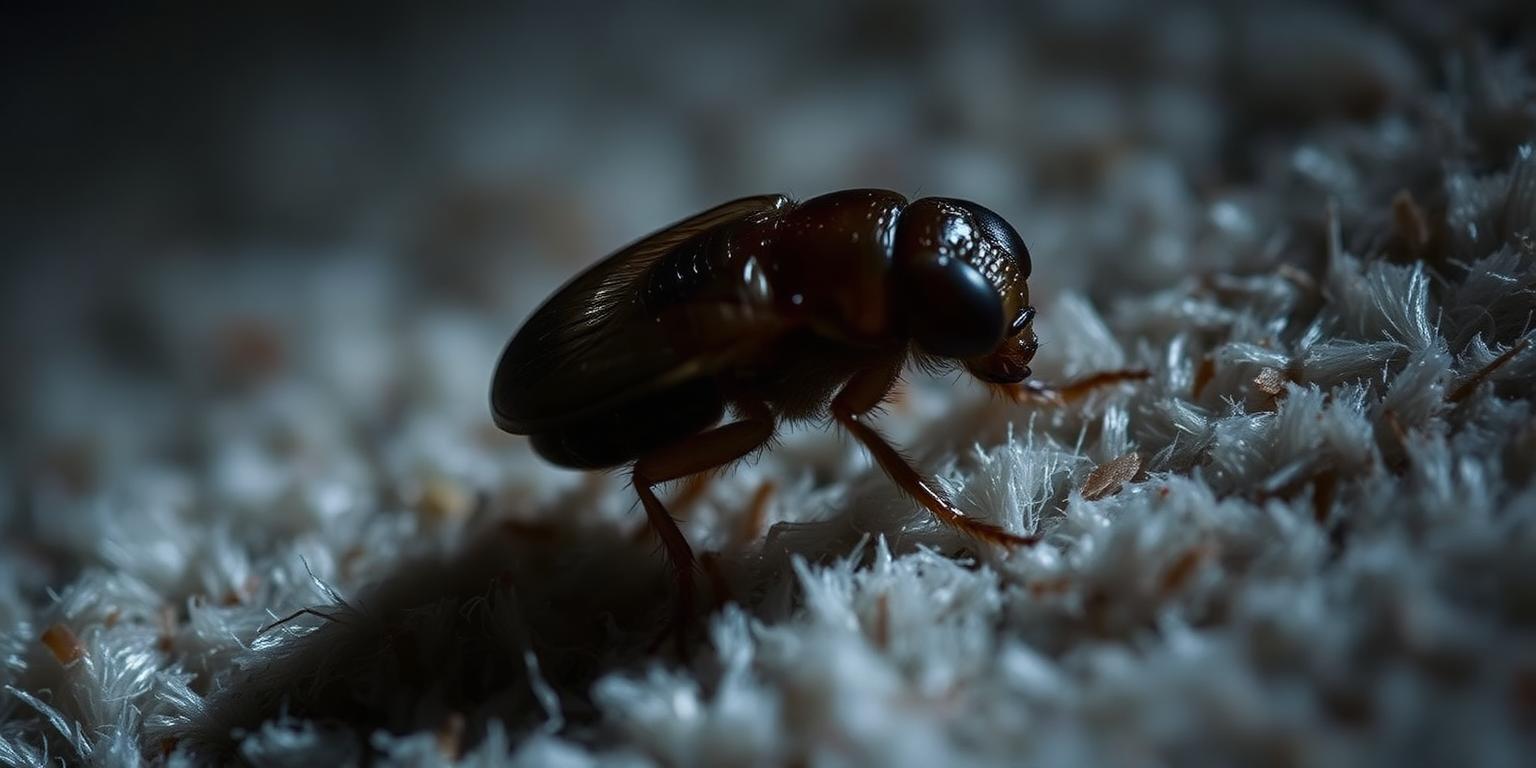
Flea identification image on carpet fibres

Fleas

Activity status: Elevated
Activity appears steady

Fleas are in their most active period of the year. Warm, humid conditions accelerate the life cycle, and central heating in autumn triggers mass emergence of dormant pupae.

What to watch for and do now

  • Maintain year-round veterinary flea treatment for all pets
  • Vacuum carpets, edges and under furniture frequently — vibration triggers pupal hatch
  • Hot-wash pet bedding weekly

Based on established seasonal behaviour. Current local data is limited.

Last reviewed: 1 July 2026

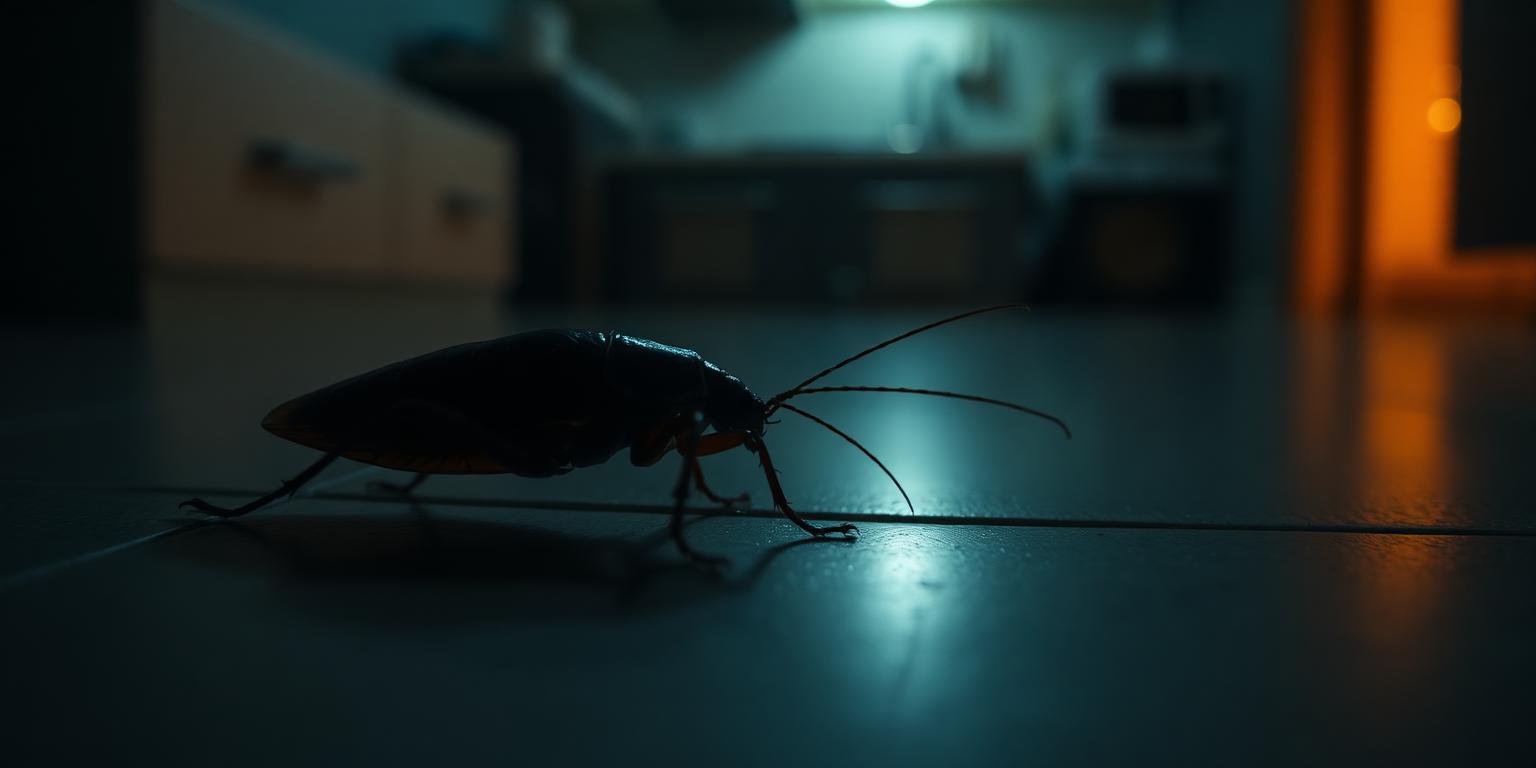
Cockroach harbourage behind kitchen equipment

Cockroaches

Activity status: Typical
Activity appears to be easing

Cockroaches are around the level normally expected for this time of year. Heated buildings mean German cockroaches show almost no seasonality — infestations progress continuously until treated.

What to watch for and do now

  • Clean grease and debris from appliance voids and unit kickboards
  • Seal cracks and gaps around pipework, tiling and unit joints
  • Store food in sealed containers and empty bins nightly

Based on established seasonal behaviour. Current local data is limited.

Last reviewed: 1 July 2026

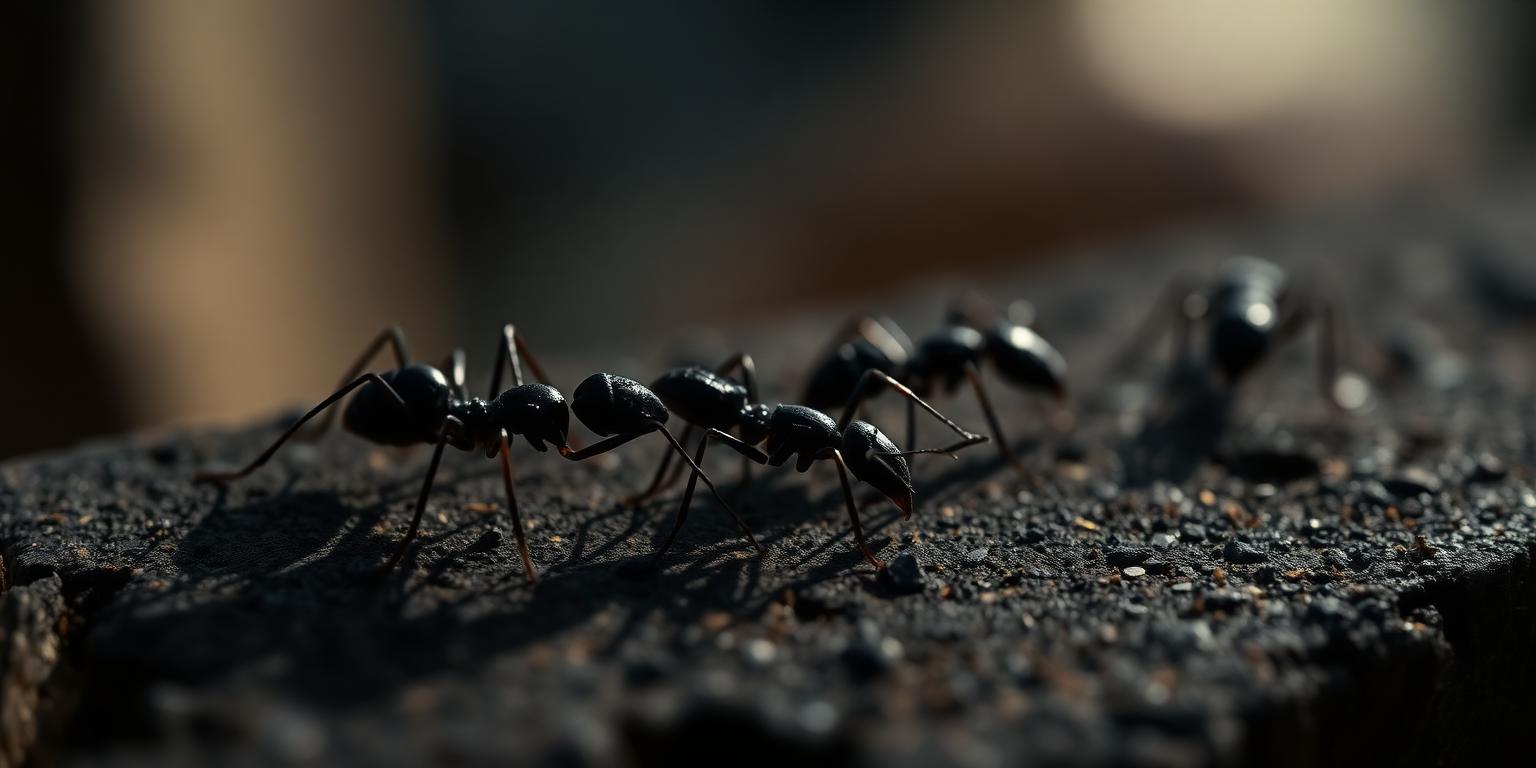
Garden ants trailing along a kitchen surface

Ants

Activity status: Elevated
Activity appears to be easing

Ants are in their most active period of the year. Indoor trails peak in warm dry spells; the flying-ant emergence across Hertfordshire is usually in mid to late July.

What to watch for and do now

  • Seal gaps around doors, windows, air bricks and pipework
  • Clear sugar spills promptly and store sweet foods sealed
  • Repoint paving and repair path bedding where nests recur

Based on established seasonal behaviour. Current local data is limited.

Last reviewed: 1 July 2026

Carpet moth damage along a carpet edge

Moths

Activity status: Declining
Activity appears to be easing

Moths are usually becoming less noticeable as the season turns. Adult flight peaks in warm months, but heated homes support breeding all year — damage is often found in winter when furniture is moved.

What to watch for and do now

  • Vacuum thoroughly along skirting edges and beneath furniture
  • Move furniture periodically so no floor area stays undisturbed
  • Store wool clothing clean, in sealed bags or containers

Based on established seasonal behaviour. Current local data is limited.

Last reviewed: 1 July 2026

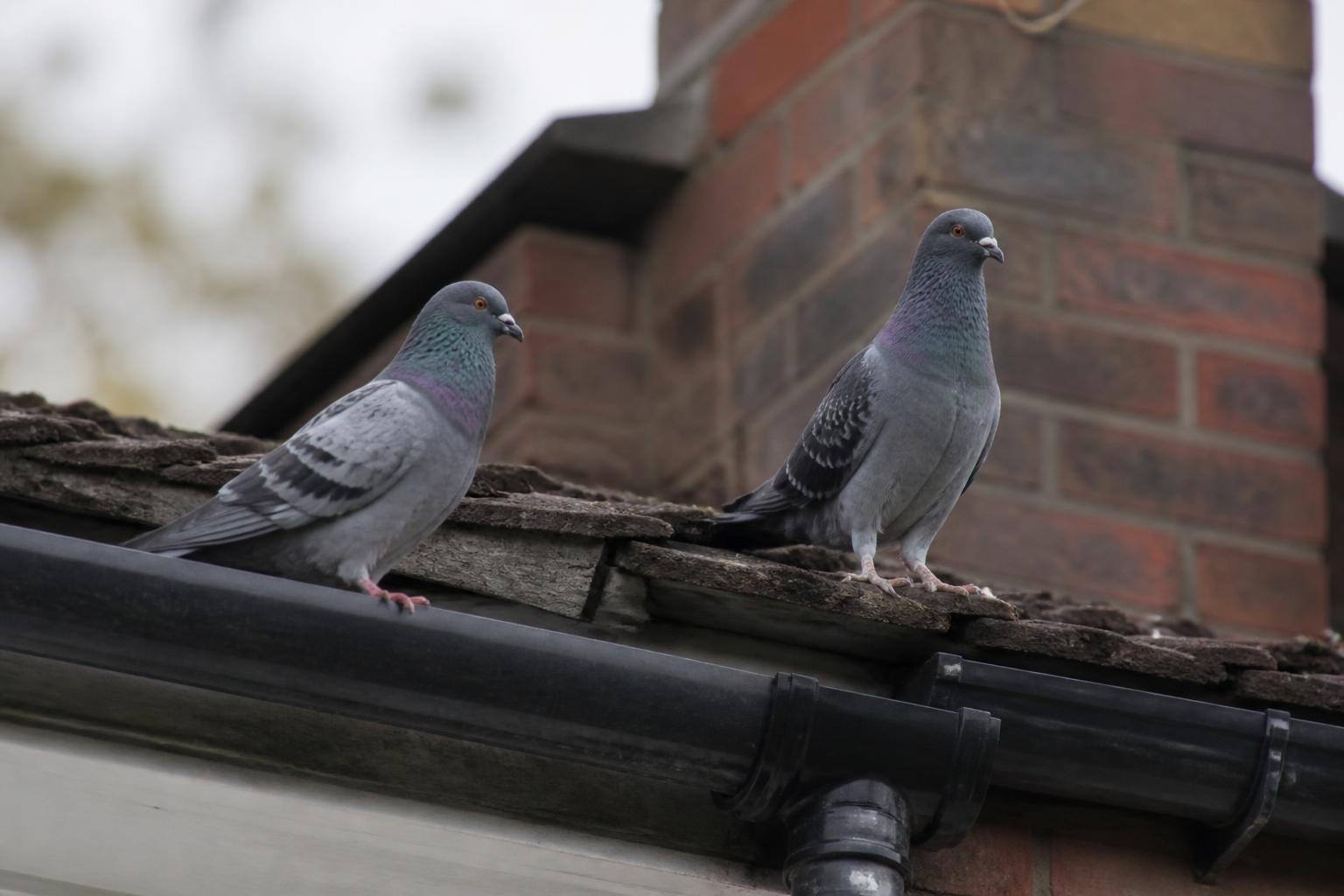
Two feral pigeons perched on the ridge tiles and guttering of a Hertfordshire house roof

Birds

Activity status: Declining
Activity appears to be easing

Birds are usually becoming less noticeable as the season turns. Nesting and fledging drive most complaints between early spring and late summer. Proofing is best carried out outside the nesting season, once a roof space or ledge is confirmed clear.

What to watch for and do now

  • Check gutters, parapets and flat roofs for nesting material before the spring nesting season begins.
  • Remove accessible food sources, including spilled bird feed and unsecured commercial waste.
  • Keep roof-space openings, broken tiles and vents proofed so birds cannot get inside.

Based on established seasonal behaviour. Current local data is limited.

Last reviewed: 1 July 2026

Seasonal calendar

Twelve months of pest activity in Hertfordshire

When each pest is typically most noticeable through the year. This is the same seasonal data used across our Species Library, so the two always agree.

Brown rats

Activity status: Low
  1. Jan

    Moderate

    Jan: Moderate activity
  2. Feb

    Moderate

    Feb: Moderate activity
  3. Mar

    Moderate

    Mar: Moderate activity
  4. Apr

    Moderate

    Apr: Moderate activity
  5. May

    Moderate

    May: Moderate activity
  6. Jun

    Moderate

    Jun: Moderate activity
  7. Jul

    Low

    Jul: Low activity
  8. Aug

    Low

    Aug: Low activity (current month)
  9. Sep

    High

    Sep: High activity
  10. Oct

    Peak

    Oct: Peak activity
  11. Nov

    Peak

    Nov: Peak activity
  12. Dec

    Peak

    Dec: Peak activity
LowModerateHighPeak

House mice

Activity status: Low
  1. Jan

    Peak

    Jan: Peak activity
  2. Feb

    Peak

    Feb: Peak activity
  3. Mar

    Moderate

    Mar: Moderate activity
  4. Apr

    Moderate

    Apr: Moderate activity
  5. May

    Low

    May: Low activity
  6. Jun

    Low

    Jun: Low activity
  7. Jul

    Low

    Jul: Low activity
  8. Aug

    Low

    Aug: Low activity (current month)
  9. Sep

    High

    Sep: High activity
  10. Oct

    Peak

    Oct: Peak activity
  11. Nov

    Peak

    Nov: Peak activity
  12. Dec

    Peak

    Dec: Peak activity
LowModerateHighPeak

Grey squirrels

Activity status: Declining
  1. Jan

    Peak

    Jan: Peak activity
  2. Feb

    Peak

    Feb: Peak activity
  3. Mar

    Peak

    Mar: Peak activity
  4. Apr

    Moderate

    Apr: Moderate activity
  5. May

    Moderate

    May: Moderate activity
  6. Jun

    High

    Jun: High activity
  7. Jul

    High

    Jul: High activity
  8. Aug

    Moderate

    Aug: Moderate activity (current month)
  9. Sep

    Moderate

    Sep: Moderate activity
  10. Oct

    High

    Oct: High activity
  11. Nov

    Peak

    Nov: Peak activity
  12. Dec

    Peak

    Dec: Peak activity
LowModerateHighPeak

Wasps

Activity status: Elevated
  1. Jan

    Low

    Jan: Low activity
  2. Feb

    Low

    Feb: Low activity
  3. Mar

    Low

    Mar: Low activity
  4. Apr

    High

    Apr: High activity
  5. May

    High

    May: High activity
  6. Jun

    High

    Jun: High activity
  7. Jul

    Peak

    Jul: Peak activity
  8. Aug

    Peak

    Aug: Peak activity (current month)
  9. Sep

    Peak

    Sep: Peak activity
  10. Oct

    High

    Oct: High activity
  11. Nov

    Low

    Nov: Low activity
  12. Dec

    Low

    Dec: Low activity
LowModerateHighPeak

Bed bugs

Activity status: Elevated
  1. Jan

    Moderate

    Jan: Moderate activity
  2. Feb

    Moderate

    Feb: Moderate activity
  3. Mar

    Moderate

    Mar: Moderate activity
  4. Apr

    High

    Apr: High activity
  5. May

    High

    May: High activity
  6. Jun

    Peak

    Jun: Peak activity
  7. Jul

    Peak

    Jul: Peak activity
  8. Aug

    Peak

    Aug: Peak activity (current month)
  9. Sep

    Peak

    Sep: Peak activity
  10. Oct

    High

    Oct: High activity
  11. Nov

    Moderate

    Nov: Moderate activity
  12. Dec

    Moderate

    Dec: Moderate activity
LowModerateHighPeak

Fleas

Activity status: Elevated
  1. Jan

    Low

    Jan: Low activity
  2. Feb

    Low

    Feb: Low activity
  3. Mar

    Moderate

    Mar: Moderate activity
  4. Apr

    Moderate

    Apr: Moderate activity
  5. May

    High

    May: High activity
  6. Jun

    High

    Jun: High activity
  7. Jul

    Peak

    Jul: Peak activity
  8. Aug

    Peak

    Aug: Peak activity (current month)
  9. Sep

    Peak

    Sep: Peak activity
  10. Oct

    High

    Oct: High activity
  11. Nov

    Moderate

    Nov: Moderate activity
  12. Dec

    Low

    Dec: Low activity
LowModerateHighPeak

Cockroaches

Activity status: Typical
  1. Jan

    Moderate

    Jan: Moderate activity
  2. Feb

    Moderate

    Feb: Moderate activity
  3. Mar

    Moderate

    Mar: Moderate activity
  4. Apr

    Moderate

    Apr: Moderate activity
  5. May

    Moderate

    May: Moderate activity
  6. Jun

    High

    Jun: High activity
  7. Jul

    High

    Jul: High activity
  8. Aug

    High

    Aug: High activity (current month)
  9. Sep

    Moderate

    Sep: Moderate activity
  10. Oct

    Moderate

    Oct: Moderate activity
  11. Nov

    Moderate

    Nov: Moderate activity
  12. Dec

    Moderate

    Dec: Moderate activity
LowModerateHighPeak

Ants

Activity status: Elevated
  1. Jan

    Low

    Jan: Low activity
  2. Feb

    Low

    Feb: Low activity
  3. Mar

    Low

    Mar: Low activity
  4. Apr

    High

    Apr: High activity
  5. May

    High

    May: High activity
  6. Jun

    High

    Jun: High activity
  7. Jul

    Peak

    Jul: Peak activity
  8. Aug

    Peak

    Aug: Peak activity (current month)
  9. Sep

    High

    Sep: High activity
  10. Oct

    Moderate

    Oct: Moderate activity
  11. Nov

    Low

    Nov: Low activity
  12. Dec

    Low

    Dec: Low activity
LowModerateHighPeak

Moths

Activity status: Declining
  1. Jan

    Moderate

    Jan: Moderate activity
  2. Feb

    Moderate

    Feb: Moderate activity
  3. Mar

    High

    Mar: High activity
  4. Apr

    High

    Apr: High activity
  5. May

    Peak

    May: Peak activity
  6. Jun

    Peak

    Jun: Peak activity
  7. Jul

    Peak

    Jul: Peak activity
  8. Aug

    High

    Aug: High activity (current month)
  9. Sep

    Moderate

    Sep: Moderate activity
  10. Oct

    Moderate

    Oct: Moderate activity
  11. Nov

    Moderate

    Nov: Moderate activity
  12. Dec

    Moderate

    Dec: Moderate activity
LowModerateHighPeak

Birds

Activity status: Declining
  1. Jan

    Moderate

    Jan: Moderate activity
  2. Feb

    Moderate

    Feb: Moderate activity
  3. Mar

    High

    Mar: High activity
  4. Apr

    Peak

    Apr: Peak activity
  5. May

    Peak

    May: Peak activity
  6. Jun

    Peak

    Jun: Peak activity
  7. Jul

    Peak

    Jul: Peak activity
  8. Aug

    High

    Aug: High activity (current month)
  9. Sep

    Moderate

    Sep: Moderate activity
  10. Oct

    Moderate

    Oct: Moderate activity
  11. Nov

    Moderate

    Nov: Moderate activity
  12. Dec

    Moderate

    Dec: Moderate activity
LowModerateHighPeak

Seeing one of these where you live?

Find local coverage details and treatment options for your town, village or postcode.

Loading page views…
Call WhatsApp Book Online