
Pest birds
Columba livia domestica and associated species
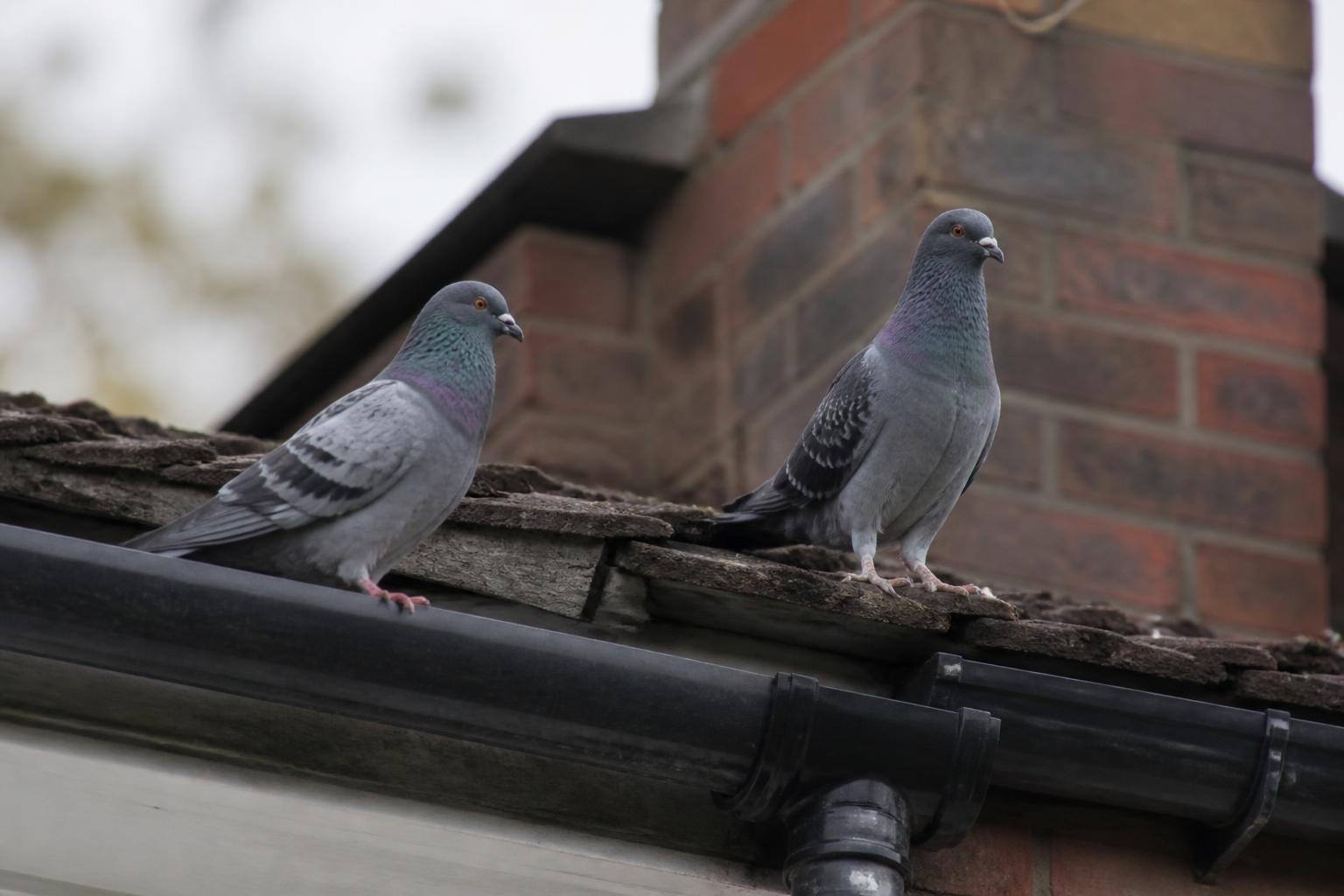
Feral pigeons, gulls, starlings and sparrows nesting and roosting on buildings — the fouling, blocked gutters and insect carry-over matter more than the birds themselves.
Quick facts
- Main species
- Feral pigeon
- Nesting season
- March to August
- Legal status
- Protected — proofing led
- Primary fix
- Netting and proofing
Also known as: Feral pigeons, Gulls, Starlings, House sparrows
Species at a glance
Moderate risk- Scientific name
- Columba livia domestica and associated species
- Alternative names
- Feral pigeons, Gulls, Starlings, House sparrows
- Average size
- 30–35cm (feral pigeon); gulls considerably larger
- Average weight
- 250–400g (feral pigeon)
- Activity
- Diurnal
- Diet
- Opportunistic. Spilled grain and food waste, discarded street food, commercial waste, and deliberate feeding by the public.
- Typical habitat
- Ledges, parapets, open eaves, roof voids and flat commercial roofs
- Active season
- Nesting March to August, roosting year-round
Why the moderate risk rating: Fouling, blocked gutters, slip hazards and secondary insect infestation from nests.
About the pest birds
Pest bird work in Hertfordshire is almost always a building problem rather than a wildlife problem. Feral pigeons roost on ledges, in open eaves and inside unproofed roof spaces; starlings and sparrows nest under tiles and in soffit gaps; gulls nest on flat roofs of commercial and industrial units. The consequences are fouling on frontages and walkways, blocked gutters and hoppers, damaged insulation, and secondary insect infestations — carpet beetle, bird mite and fly larvae — carried by nests. All wild birds, their nests and eggs are protected under the Wildlife and Countryside Act 1981, so lawful work is proofing-led, and any control is only ever considered under the strict terms of the relevant general licence.
- Diet
- Opportunistic. Spilled grain and food waste, discarded street food, commercial waste, and deliberate feeding by the public.
- Breeding
- Feral pigeons can raise several broods a year where food and shelter allow. Gulls, starlings and sparrows are largely single-season nesters between March and August.
- Lifespan
- Typically 3–5 years for feral pigeons in an urban setting; gulls considerably longer.
How to identify it
- Feral pigeon: 30–35cm, grey with two dark wing bars and an iridescent neck
- Herring and lesser black-backed gulls: large, loud, nesting on flat roofs from April
- Starling: glossy dark plumage with pale speckling, noisy communal roosts
- House sparrow: small, brown and grey, nesting in soffit and eaves gaps
Signs, behaviour and where they live
Signs of activity
- Fouling on ledges, frontages, walkways and vehicles below a roost
- Nesting material in gutters, hoppers and behind signage
- Persistent scratching, cooing or chick noise in a roof space
- Feathers, down and insect activity in loft insulation
- Blocked downpipes and overflowing gutters after rain
Behaviour
- Strongly site-faithful — birds return to the same ledge or void year after year
- Nesting and fledging run from early spring to late summer
- Feral pigeons breed repeatedly through the year where food is reliable
- Roosting pressure on buildings continues right through the winter
Where you'll find them
- Ledges, parapets, canopies and signage on town-centre buildings
- Open eaves, broken tiles and unproofed roof voids
- Flat commercial and industrial roofs, plant areas and gutters
- Loading bays, waste compounds and food-premises yards
Seasonal activity in Hertfordshire
Twelve-month activity profile for pest birds, based on our Hertfordshire call-out records.
- JanJanuary: Moderate activity
- FebFebruary: Moderate activity
- MarMarch: Rising activity
- AprApril: High activity
- MayMay: High activity
- JunJune: High activity
- JulJuly: High activity
- AugAugust: Rising activity
- SepSeptember: Moderate activity
- OctOctober: Moderate activity
- NovNovember: Moderate activity
- DecDecember: Moderate activity
- Peak period
- March to August
- Right now
- Typical activity in September
Nesting and fledging drive most complaints between early spring and late summer. Proofing is best carried out outside the nesting season, once a roof space or ledge is confirmed clear.
Birds are usually becoming less noticeable as the season turns. Nesting and fledging drive most complaints between early spring and late summer. Proofing is best carried out outside the nesting season, once a roof space or ledge is confirmed clear.
Current local data is limited. The status shown is based primarily on established seasonal behaviour across Hertfordshire. Last reviewed 1 July 2026.
See all Hertfordshire Pest Watch activityWhy pest birds matter
Health risks
- Fouling can carry organisms associated with respiratory and gastrointestinal illness
- Dried droppings create a slip hazard on walkways, steps and fire escapes
- Bird mites and insect pests migrate indoors when a nest is abandoned
- Contamination risk in food premises, healthcare and education settings
Property damage
- Blocked gutters, hoppers and downpipes leading to water ingress
- Corrosive fouling on stonework, paintwork and roofing membranes
- Displaced tiles and compacted, soiled loft insulation
- Nest material in plant, flues and ventilation intakes
Pest birds across Hertfordshire
Feral pigeon roosting concentrates on town-centre parades and station buildings in Watford, Stevenage and Hemel Hempstead, while gull nesting is most often reported on flat commercial roofs on the county's industrial estates. Starling and sparrow nesting in open eaves is common across older village housing.
Common misconceptions
You can just remove the nest.
All wild birds, their active nests and eggs are protected by law. Nest removal is only lawful once the nest is no longer in use, or under the strict terms of a general licence.
Spikes solve everything.
Spikes suit narrow ledges. Wider ledges, roof voids and flat roofs usually need netting, wire posts or physical proofing instead.
The birds are the problem.
The building is. Open eaves, broken tiles and a reliable food source are what keep birds returning to the same address.
Once the birds go, it's finished.
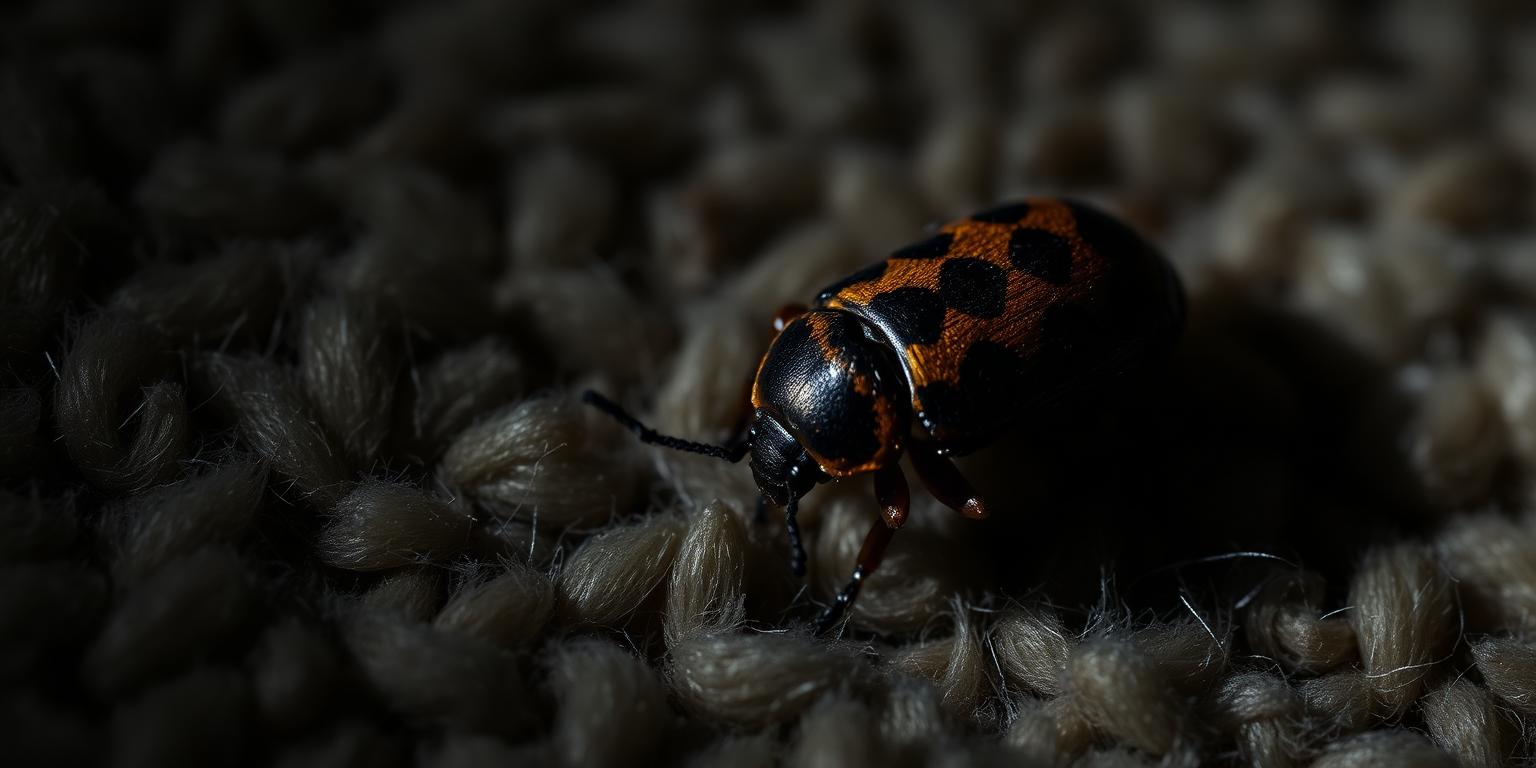
Abandoned nests routinely leave bird mites, carpet beetle and fly larvae behind, which then move into the rooms below.
Prevention and professional treatment
How to prevent them
- Check gutters, parapets and flat roofs for nesting material before spring
- Proof open eaves, broken tiles, soffit gaps and vents so birds cannot get inside
- Remove accessible food — spilled feed, open waste and public feeding points
- Keep bins closed and waste compounds clean at commercial premises
- Clear and disinfect fouling promptly so a roost does not become established
How we treat them
- Survey to identify species, entry points and whether nesting is active
- Legal assessment against the Wildlife and Countryside Act before any work
- Proofing specification — netting, wire posts, spikes, mesh or tile repair
- Controlled clearance and disinfection of fouling and redundant nest material
- Treatment of secondary insect pests left behind by abandoned nests
- Photographic records and a written service record on completion
Pest birds questions, answered
The questions our technicians are asked most often about pest birds in Hertfordshire.
Ask anything about the pest birds
This assistant is reading the pest birds profile with you — there's no need to say which pest you mean. Answers are educational and evidence-based.
Questions are recorded anonymously so we can improve HPE Knowledge. No personal data is stored.
Related content in HPE Knowledge
Related species
Related services
Related knowledge
- Prevention guidePractical proofing and housekeeping steps for this species.
- AI Pest IdentifierNot sure what you have? Describe it and get an identification.
- Hertfordshire Pest WatchSeasonal activity across Hertfordshire, reviewed by our technicians.
- Treatment LibraryDocumented treatments and case studies from real jobs.
- Evidence GalleryLabelled field photography showing exactly what to look for.
- Professional Service RecordsSigned, time-stamped records issued after every visit.
Helpful next steps
Professional treatment
Speak to a technician about pest birds at your property. Fixed price confirmed after a brief inspection.
View treatment optionsView evidence gallery
Labelled field photography showing exactly what the signs look like in a real property.
See the evidenceBrowse the Treatment Library
Documented case studies from treatments carried out across Hertfordshire.
Open the libraryAsk HPE Knowledge
Put a question directly to our pest birds assistant and get an evidence-based answer.
Ask a questionCheck CoverageMaps Pro
Confirm we cover your town, village or postcode and see local activity.
Check coverageContact Hertfordshire Pest Experts
Prefer to talk it through? Call the team or send the details of what you have found.
Get in touchOr head back to the HPE Species Library to compare species.