
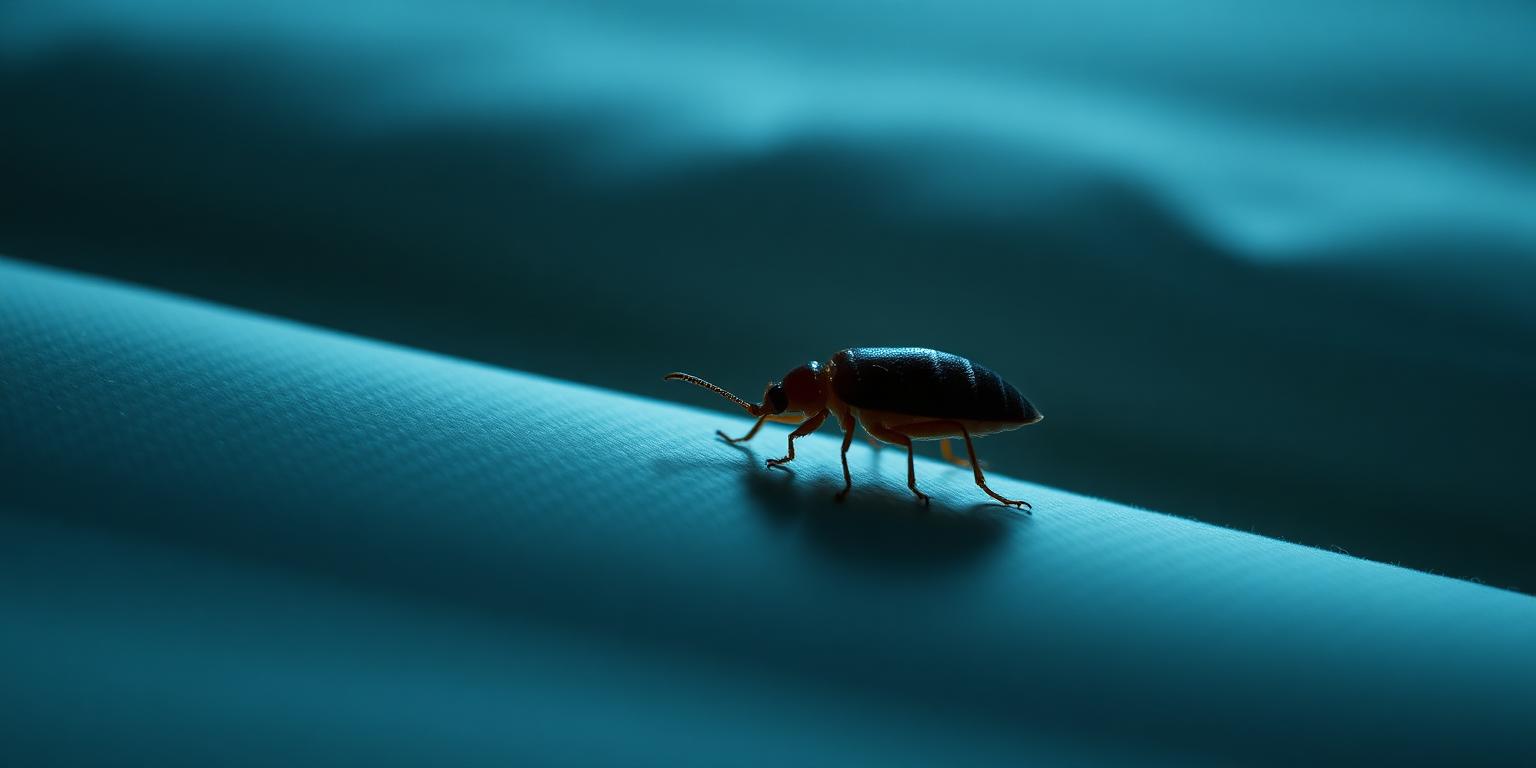
Bed bug
Cimex lectularius
A blood-feeding insect that harbours within a few metres of where people sleep and increasingly resists conventional insecticides.
Quick facts
- Adult size
- 4–5mm
- Eggs per female
- 200–500
- Lethal temperature
- 50°C+
- Treatment
- Single-visit heat
Also known as: Common bed bug, Mahogany flat
Species at a glance
High risk- Scientific name
- Cimex lectularius
- Alternative names
- Common bed bug, Mahogany flat
- Average size
- 4–5mm adult, apple-pip shaped
- Average weight
- Under 10mg
- Activity
- Nocturnal
- Diet
- Exclusively blood, most often human. A full feed takes 5–10 minutes and is usually painless at the time.
- Typical habitat
- Mattress seams, bed frames, headboards and bedroom furniture
- Active season
- Year-round indoors, travel-driven summer peak
Why the high risk rating: Bites, disturbed sleep and rapid spread between rooms.
About the bed bug
Bed bugs are obligate blood feeders that have lived with humans since we shared caves. Nearly eradicated in post-war Britain, they returned rapidly from the late 1990s with international travel and widespread pyrethroid resistance. They do not indicate poor hygiene: they arrive in luggage, second-hand furniture and shared building voids, and they harbour in seams, joints and cracks rather than on the host.
- Diet
- Exclusively blood, most often human. A full feed takes 5–10 minutes and is usually painless at the time.
- Breeding
- A female lays 1–5 eggs a day and 200–500 in a lifetime. Eggs hatch in 6–10 days at room temperature; the full egg-to-adult cycle takes around 5–7 weeks and accelerates in warm rooms.
- Lifespan
- Typically 4–6 months, and considerably longer in cool, undisturbed conditions.
How to identify it
- Adults 4–5mm, flat, oval and reddish-brown — the size and shape of an apple pip
- Engorged adults swell and darken to a deep mahogany
- Nymphs are translucent straw-coloured and progressively darker through five stages
- Eggs are 1mm, pearly white and cemented into seams and crevices
Signs, behaviour and where they live
Signs of activity
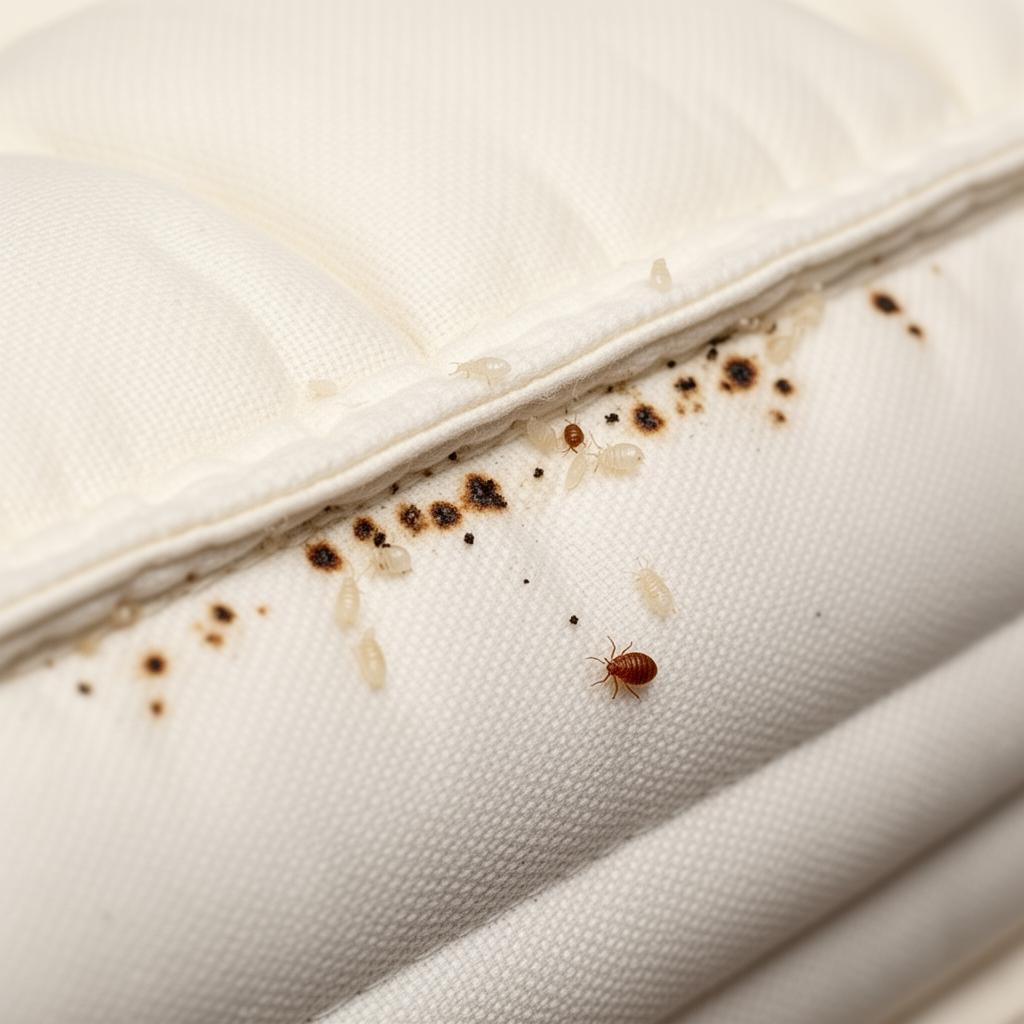
- Small dark spotting along mattress seams, bed slats and skirting
- Cast skins from moulting nymphs in seams and joints
- Rusty blood smears on bedding after a feed
- Clusters or lines of itchy bites, often on arms, shoulders and legs
- A sweet, musty odour in heavier infestations
- Live insects in seams, screw holes and headboard joints
Behaviour
- Nocturnal, feeding mostly in the hours before dawn
- Attracted by carbon dioxide, body heat and host odour
- Feed every 3–10 days, then return to harbourage to digest
- Can survive several months without a blood meal at lower temperatures
- Disperse along wiring and pipe runs into adjacent rooms and flats when disturbed
Where you'll find them
- Mattress seams, piping, labels and the underside of bed slats
- Headboards, bed frame joints and screw holes
- Skirting boards, sockets, curtain hems and loose wallpaper within 2m of the bed
- Sofas and armchairs in living rooms where people regularly fall asleep
Seasonal activity in Hertfordshire
Twelve-month activity profile for bed bugs, based on our Hertfordshire call-out records.
- JanJanuary: Moderate activity
- FebFebruary: Moderate activity
- MarMarch: Moderate activity
- AprApril: Rising activity
- MayMay: Rising activity
- JunJune: High activity
- JulJuly: High activity
- AugAugust: High activity
- SepSeptember: High activity
- OctOctober: Rising activity
- NovNovember: Moderate activity
- DecDecember: Moderate activity
- Peak period
- June to September
- Right now
- High activity in September
Enquiries rise sharply through the travel season as bed bugs return home in luggage, and again in September with student and tenancy movement.
Bed bugs are in their most active period of the year. Enquiries rise sharply through the travel season as bed bugs return home in luggage, and again in September with student and tenancy movement.
Current local data is limited. The status shown is based primarily on established seasonal behaviour across Hertfordshire. Last reviewed 1 July 2026.
See all Hertfordshire Pest Watch activityWhy bed bugs matter
Health risks
- Intense localised allergic reaction and secondary infection from scratching
- Sleep disruption, anxiety and significant psychological distress
- No evidence of disease transmission to humans
Property damage
- Staining to mattresses, bedding and upholstered furniture
- Frequent disposal of otherwise serviceable beds and sofas
- In HMOs and lettings, void periods and reputational cost
Bed bugs across Hertfordshire
Bed bug enquiries across Hertfordshire concentrate in commuter towns with high tenancy turnover — St Albans, Watford, Hitchin and Stevenage — and in HMOs where a single untreated room reinfests neighbours through shared voids.
What bed bug evidence looks like
Mattress seam evidence
Faecal spotting and cast skins along a mattress seam — the definitive early sign.
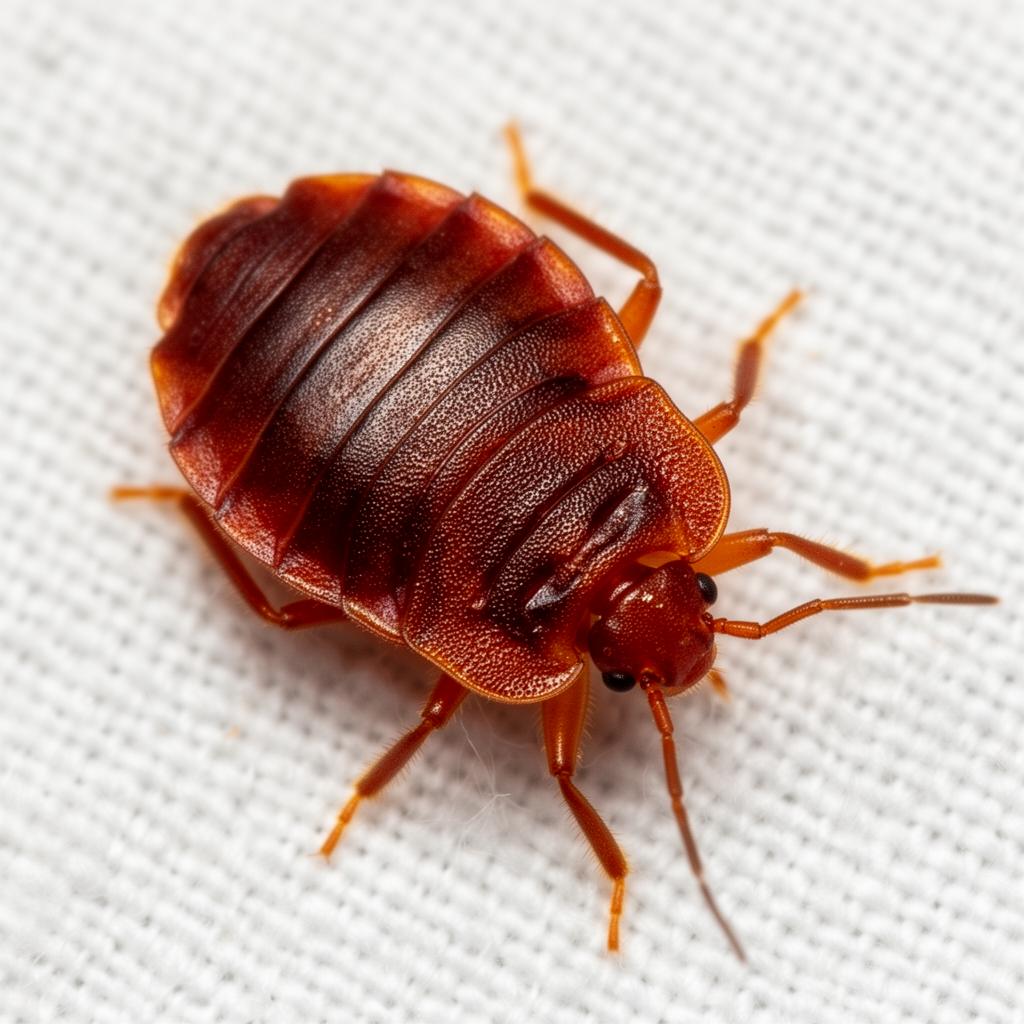
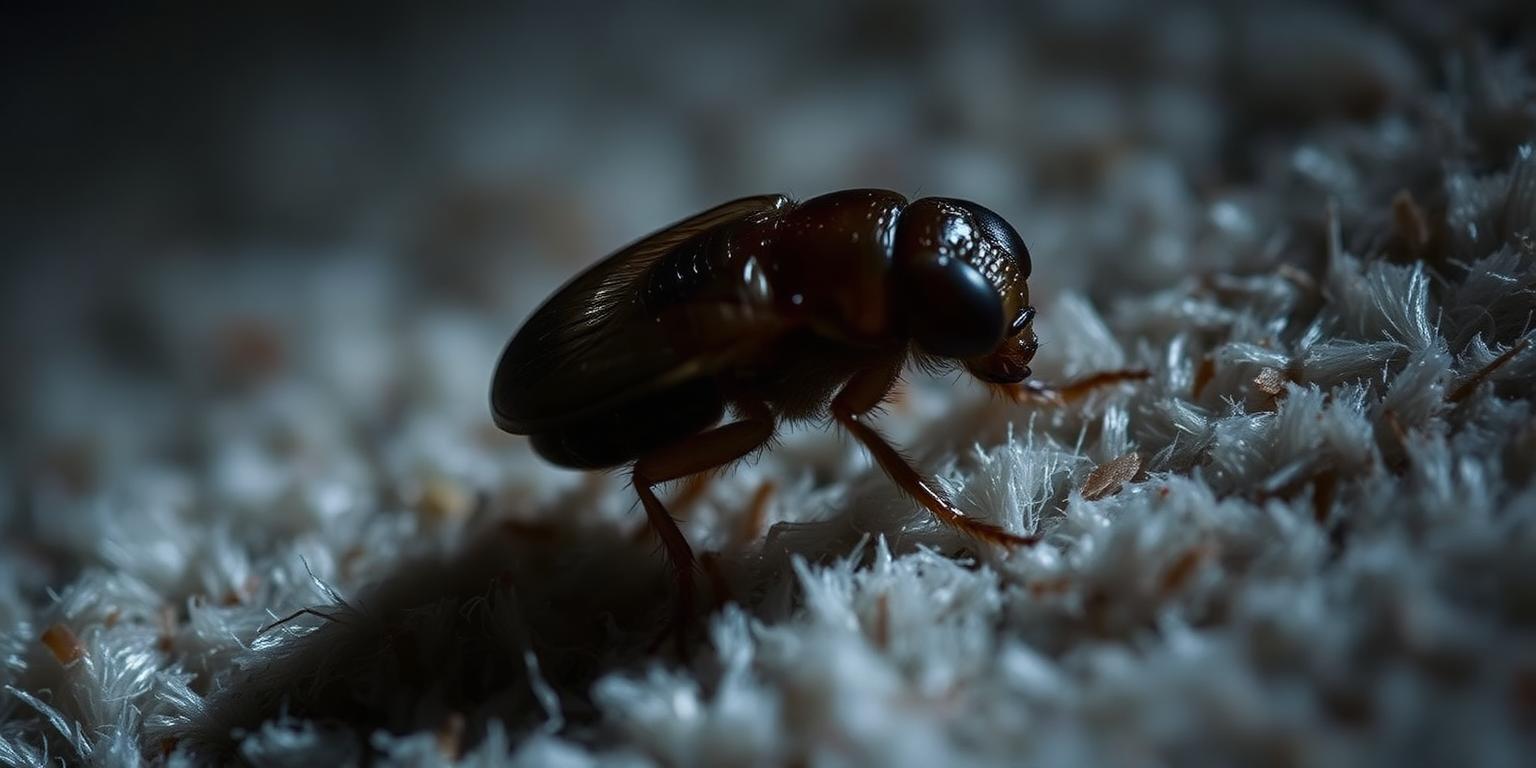
Adult bed bug
Adult Cimex lectularius photographed for confirmed identification.
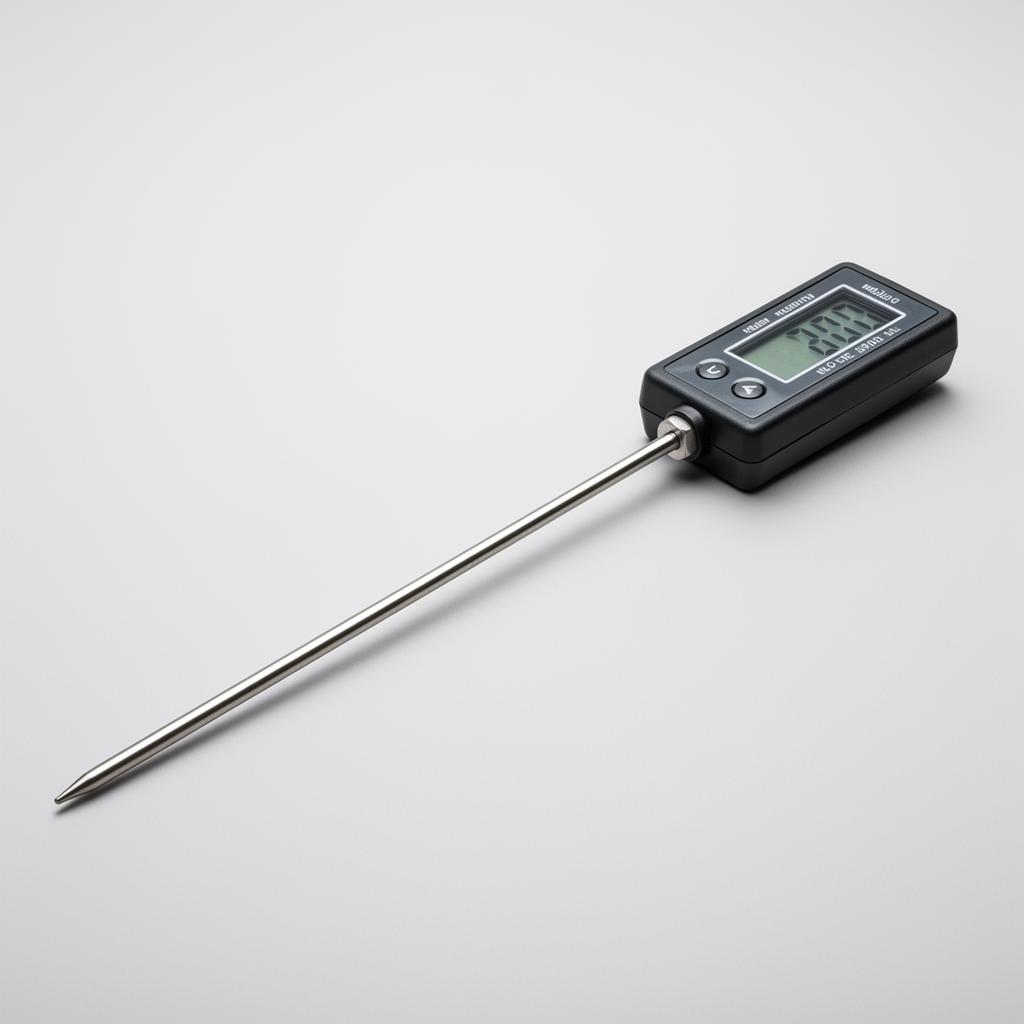
Temperature verification
Wireless probe positioned at a harbourage point to evidence lethal temperature.
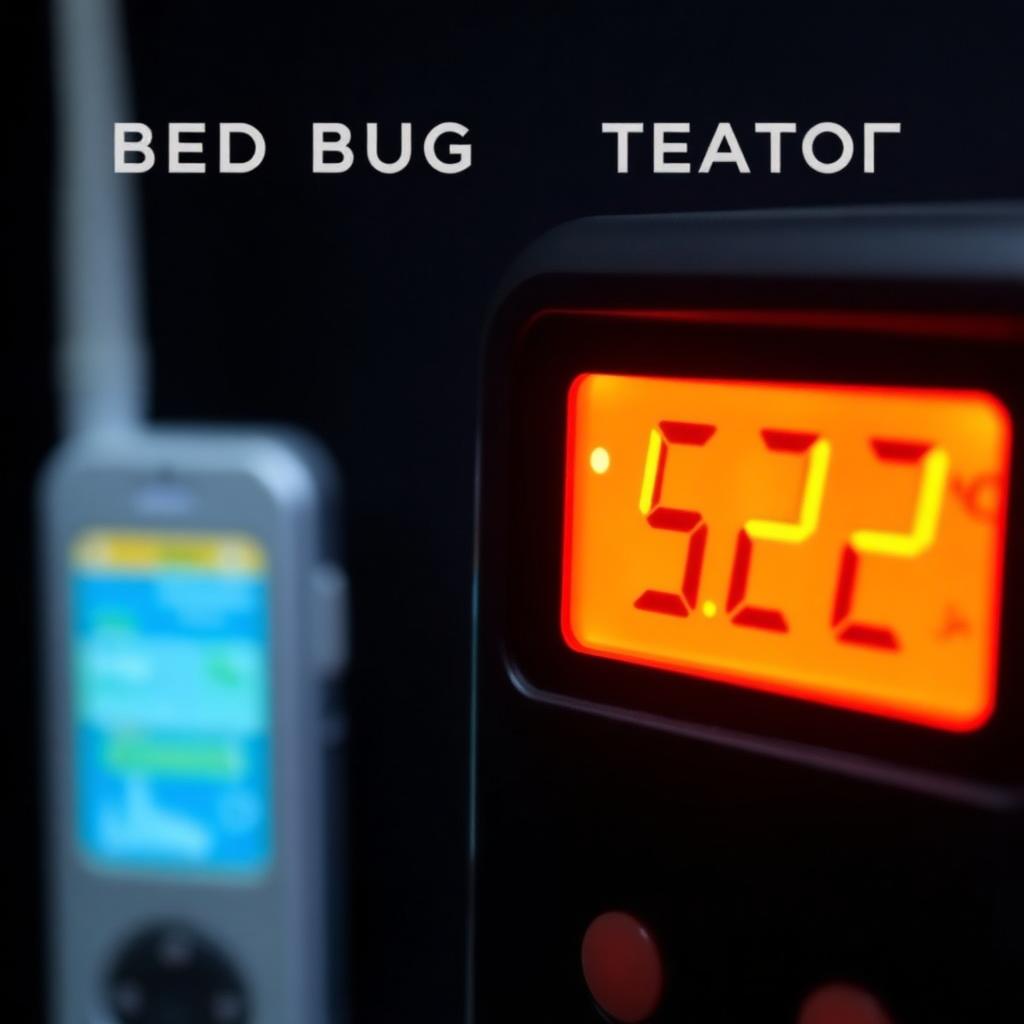
Live monitoring
Room temperature logged continuously throughout the treatment window.
Common misconceptions
Bed bugs mean a dirty home.
They are transported, not generated. We treat immaculate homes and five-star hotels alike.
Throwing out the bed fixes it.
Most harbourage is in the frame, skirting and surrounding room. Disposing of a bed usually spreads the problem while leaving it in place.
A spray will sort it.
Widespread pyrethroid resistance means sprays alone frequently fail. Whole-room heat treatment kills every life stage, including eggs, in one visit.
Prevention and professional treatment
How to prevent them
- Inspect hotel mattress seams and keep luggage off the bed and floor when travelling
- Hot-wash and tumble-dry clothing on return from trips
- Inspect second-hand furniture thoroughly before it enters the property
- Use encasements on mattresses in high-turnover properties
- Act on the first sign of bites or spotting rather than waiting
How we treat them
- Detailed survey to confirm species, extent and every harbourage point
- Preparation brief so the room is ready for effective treatment
- Whole-room heat treatment raising the room above the lethal threshold
- Continuous temperature verification and logging throughout the treatment
- Follow-up inspection and a documented service record with readings and photographs
Bed bug questions, answered
The questions our technicians are asked most often about bed bugs in Hertfordshire.
Ask anything about the bed bug
This assistant is reading the bed bug profile with you — there's no need to say which pest you mean. Answers are educational and evidence-based.
Questions are recorded anonymously so we can improve HPE Knowledge. No personal data is stored.
Related content in HPE Knowledge
Related species

Related services
Related knowledge
- Prevention guidePractical proofing and housekeeping steps for this species.
- AI Pest IdentifierNot sure what you have? Describe it and get an identification.
- Hertfordshire Pest WatchSeasonal activity across Hertfordshire, reviewed by our technicians.
- Treatment LibraryDocumented treatments and case studies from real jobs.
- Evidence GalleryLabelled field photography showing exactly what to look for.
- Professional Service RecordsSigned, time-stamped records issued after every visit.
Helpful next steps
Professional treatment
Speak to a technician about bed bugs at your property. Fixed price confirmed after a brief inspection.
View treatment optionsView evidence gallery
Labelled field photography showing exactly what the signs look like in a real property.
See the evidenceBrowse the Treatment Library
Documented case studies from treatments carried out across Hertfordshire.
Open the libraryAsk HPE Knowledge
Put a question directly to our bed bug assistant and get an evidence-based answer.
Ask a questionCheck CoverageMaps Pro
Confirm we cover your town, village or postcode and see local activity.
Check coverageContact Hertfordshire Pest Experts
Prefer to talk it through? Call the team or send the details of what you have found.
Get in touchOr head back to the HPE Species Library to compare species.