
Grey squirrel
Sciurus carolinensis
An invasive non-native rodent that enters lofts through soffits and rooflines, causing significant cable and insulation damage.
Quick facts
- Adult weight
- 400–600g
- Litters per year
- 2
- Active
- Daytime
- Legal status
- Invasive non-native
Also known as: Eastern grey squirrel
Species at a glance
High risk- Scientific name
- Sciurus carolinensis
- Alternative names
- Eastern grey squirrel
- Average size
- 24–28cm body, plus a bushy tail
- Average weight
- 400–600g
- Activity
- Diurnal
- Diet
- Nuts, acorns, tree buds, bark, fruit, fungi and bird-table food. Squirrels also take bird eggs and nestlings, and will strip bark from young trees in spring.
- Typical habitat
- Lofts, roof voids, soffits and mature garden trees
- Active season
- Autumn and late winter nesting peaks
Why the high risk rating: Serious gnawing damage to cables, water pipes and timbers.
About the grey squirrel
The grey squirrel was deliberately introduced to Britain by Victorian landowners from North America. Within a century it had replaced the native red squirrel across almost all of England. It is a diurnal, agile climber that treats a roofline as an extension of the tree canopy, and it is the rodent most likely to cause a serious electrical fault in a domestic loft.
- Diet
- Nuts, acorns, tree buds, bark, fruit, fungi and bird-table food. Squirrels also take bird eggs and nestlings, and will strip bark from young trees in spring.
- Breeding
- Two litters a year, typically January–March and June–July, of 3–7 young. Loft occupation frequently coincides with the drey being built for the spring litter.
- Lifespan
- Typically 2–4 years in the wild.
How to identify it
- Body 24–30cm plus a bushy tail of similar length
- Grey coat, often with brown flecking along the back and flanks in summer
- Adults 400–600g — noticeably larger and louder in a loft than a rat
- Droppings rounded, 8mm, similar to rat but more barrel-shaped
Signs, behaviour and where they live
Signs of activity
- Loud daytime scampering and rolling noises directly above the ceiling
- Torn or lifted soffits, fascia boards and roof tile edges
- Shredded loft insulation drawn into a large untidy drey
- Stripped cable insulation and chewed water pipework
- Gnawed timber around eaves and roof battens
- Nut shells, bark fragments or cached food in the loft
Behaviour
- Diurnal — most active shortly after dawn and again in late afternoon
- Heavy, distinctly audible movement in a loft, often including rolling sounds from cached nuts
- Caches food obsessively, burying and recovering it across a wide territory
- Territorial and persistent — a proofed loft is repeatedly tested for weeks
- Cannot legally be released once trapped under the Wildlife and Countryside Act 1981
Where you'll find them
- Mature broadleaf woodland, parks and tree-lined suburbs
- Loft spaces entered via soffits, fascia gaps, tile edges and roof valleys
- Wall cavities and chimney voids adjacent to overhanging branches
Seasonal activity in Hertfordshire
Twelve-month activity profile for grey squirrels, based on our Hertfordshire call-out records.
- JanJanuary: High activity
- FebFebruary: High activity
- MarMarch: High activity
- AprApril: Moderate activity
- MayMay: Moderate activity
- JunJune: Rising activity
- JulJuly: Rising activity
- AugAugust: Moderate activity
- SepSeptember: Moderate activity
- OctOctober: Rising activity
- NovNovember: High activity
- DecDecember: High activity
- Peak period
- January to March, and again in autumn
- Right now
- Typical activity in September
Loft entry peaks in late winter as females look for a secure drey site, with a second rise in autumn as caching activity increases.
Grey squirrels are around the level normally expected for this time of year. Loft entry peaks in late winter as females look for a secure drey site, with a second rise in autumn as caching activity increases.
Current local data is limited. The status shown is based primarily on established seasonal behaviour across Hertfordshire. Last reviewed 1 July 2026.
See all Hertfordshire Pest Watch activityWhy grey squirrels matter
Health risks
- Fleas, mites and ticks introduced into the roof void
- Contamination of insulation and water tanks with urine and droppings
- Aggressive defence of young if cornered — bites can require medical attention
Property damage
- Stripped electrical cabling — the leading cause of loft fires attributed to wildlife
- Punctured water pipes and tanks causing ceiling collapse
- Destroyed insulation and damaged stored belongings
- Ongoing structural damage to soffits, fascias and roofline timber
Grey squirrels across Hertfordshire
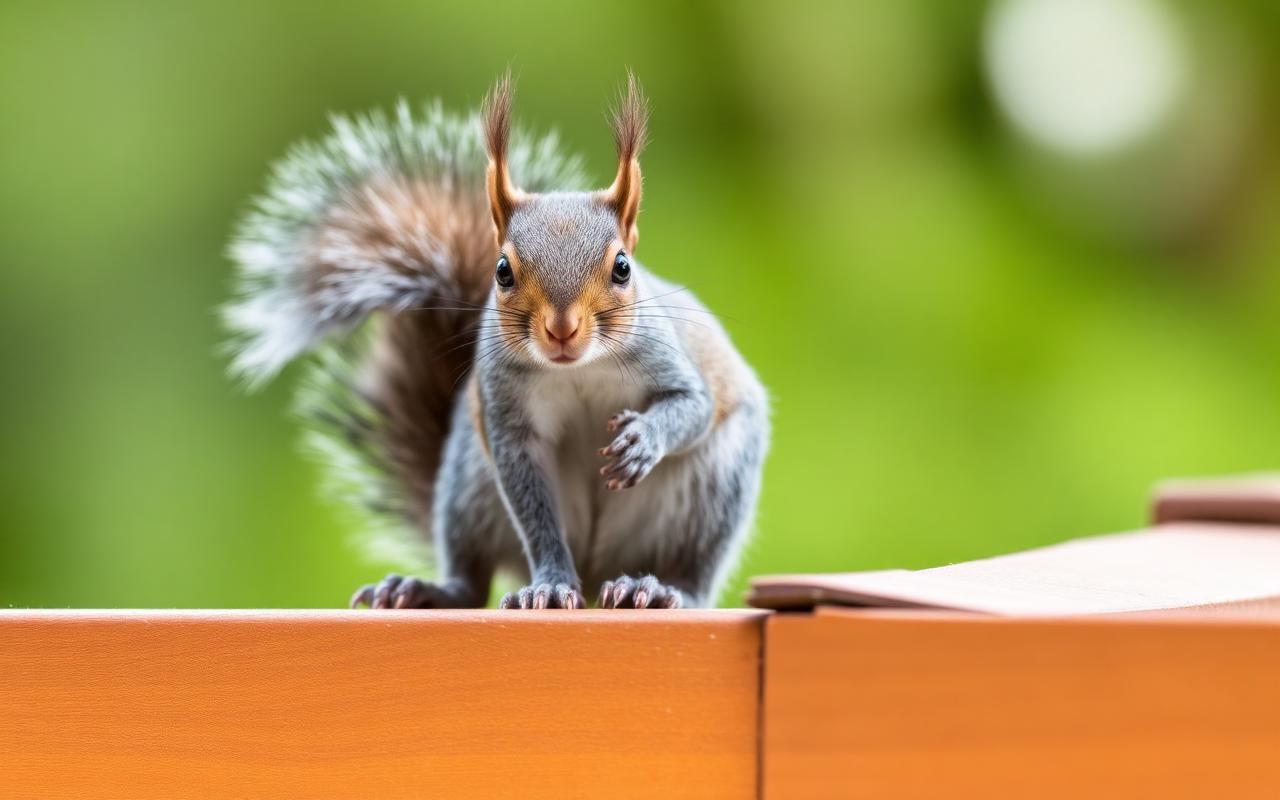
Hertfordshire's mature tree cover and wooded suburbs give grey squirrels easy roof access, which is why loft entry through soffits and rooflines is the most common wildlife call-out we receive — particularly around Berkhamsted, Harpenden, Radlett and the wooded edges of Welwyn Garden City.
What grey squirrel evidence looks like
Roofline access
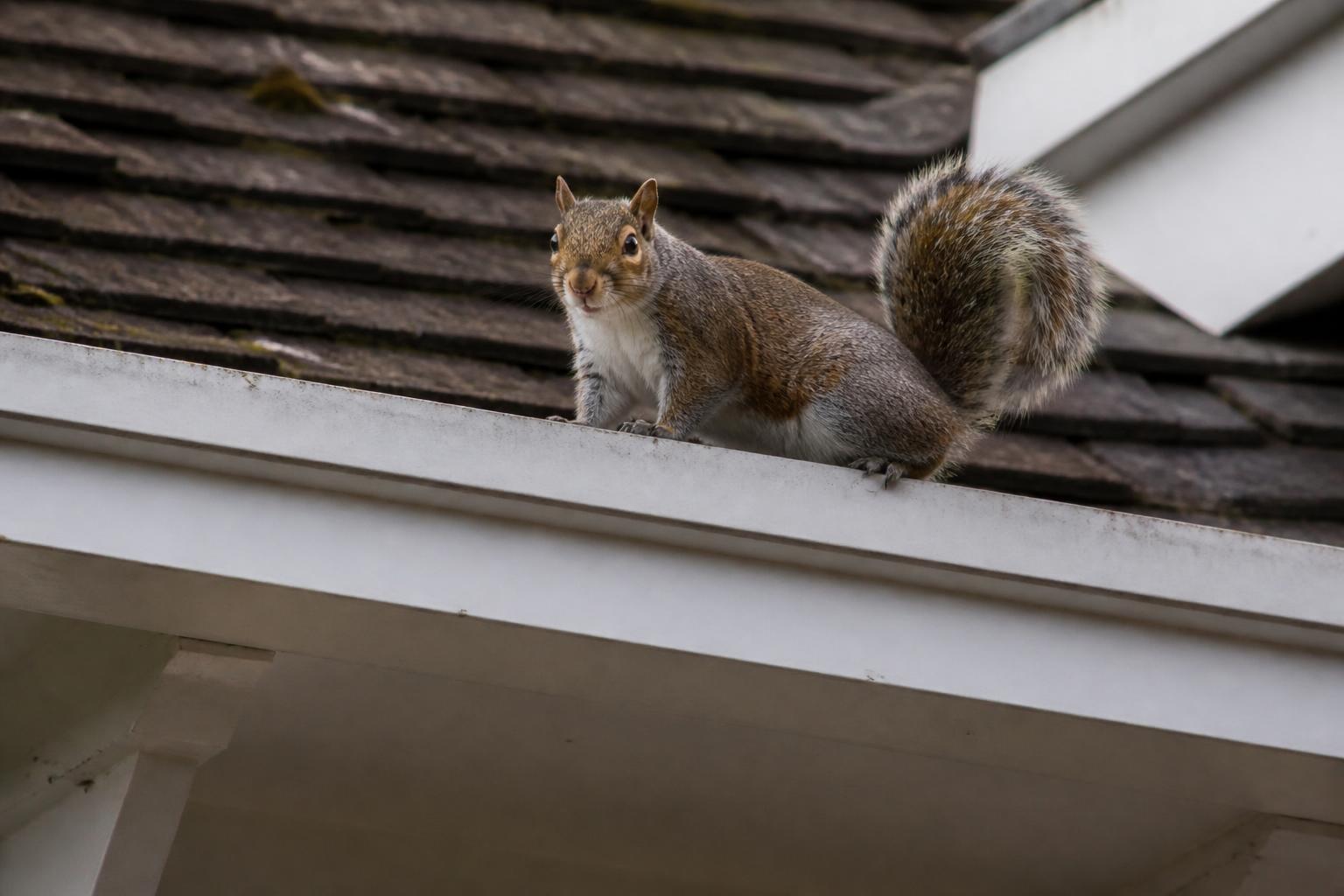
Grey squirrel at a roofline access point above a soffit run.
Common misconceptions
Squirrels in the loft are harmless.
They are the highest-risk loft rodent for cable damage; most call-outs we attend already show gnawed wiring.
You can catch one and let it go in the woods.
Releasing a grey squirrel is illegal in the UK. Control must be carried out humanely and lawfully by a competent operator.
Blocking the hole solves it.
Sealing an occupied loft traps animals inside, causing worse damage and welfare problems. Proofing follows removal, never precedes it.
Prevention and professional treatment
How to prevent them
- Cut back branches to at least 2 metres from the roofline
- Repair and reinforce soffits, fascias and loose tile edges before winter
- Fit mesh guards to eaves gaps, vents and open roof valleys
- Remove or relocate bird feeders sited close to the house
How we treat them
- Roof and loft inspection to confirm occupation and locate every access point
- Lawful, humane removal programme using appropriate trapping
- Confirmation that no dependent young remain before proofing
- Robust proofing to soffits, fascias, eaves and roof edges
- Damage report covering cabling, insulation and recommended repairs
Grey squirrel questions, answered
The questions our technicians are asked most often about grey squirrels in Hertfordshire.
Ask anything about the grey squirrel
This assistant is reading the grey squirrel profile with you — there's no need to say which pest you mean. Answers are educational and evidence-based.
Questions are recorded anonymously so we can improve HPE Knowledge. No personal data is stored.
Related content in HPE Knowledge
Related services
Related knowledge
- Prevention guidePractical proofing and housekeeping steps for this species.
- AI Pest IdentifierNot sure what you have? Describe it and get an identification.
- Hertfordshire Pest WatchSeasonal activity across Hertfordshire, reviewed by our technicians.
- Treatment LibraryDocumented treatments and case studies from real jobs.
- Evidence GalleryLabelled field photography showing exactly what to look for.
- Professional Service RecordsSigned, time-stamped records issued after every visit.
Helpful next steps
Professional treatment
Speak to a technician about grey squirrels at your property. Fixed price confirmed after a brief inspection.
View treatment optionsView evidence gallery
Labelled field photography showing exactly what the signs look like in a real property.
See the evidenceBrowse the Treatment Library
Documented case studies from treatments carried out across Hertfordshire.
Open the libraryAsk HPE Knowledge
Put a question directly to our grey squirrel assistant and get an evidence-based answer.
Ask a questionCheck CoverageMaps Pro
Confirm we cover your town, village or postcode and see local activity.
Check coverageContact Hertfordshire Pest Experts
Prefer to talk it through? Call the team or send the details of what you have found.
Get in touchOr head back to the HPE Species Library to compare species.