
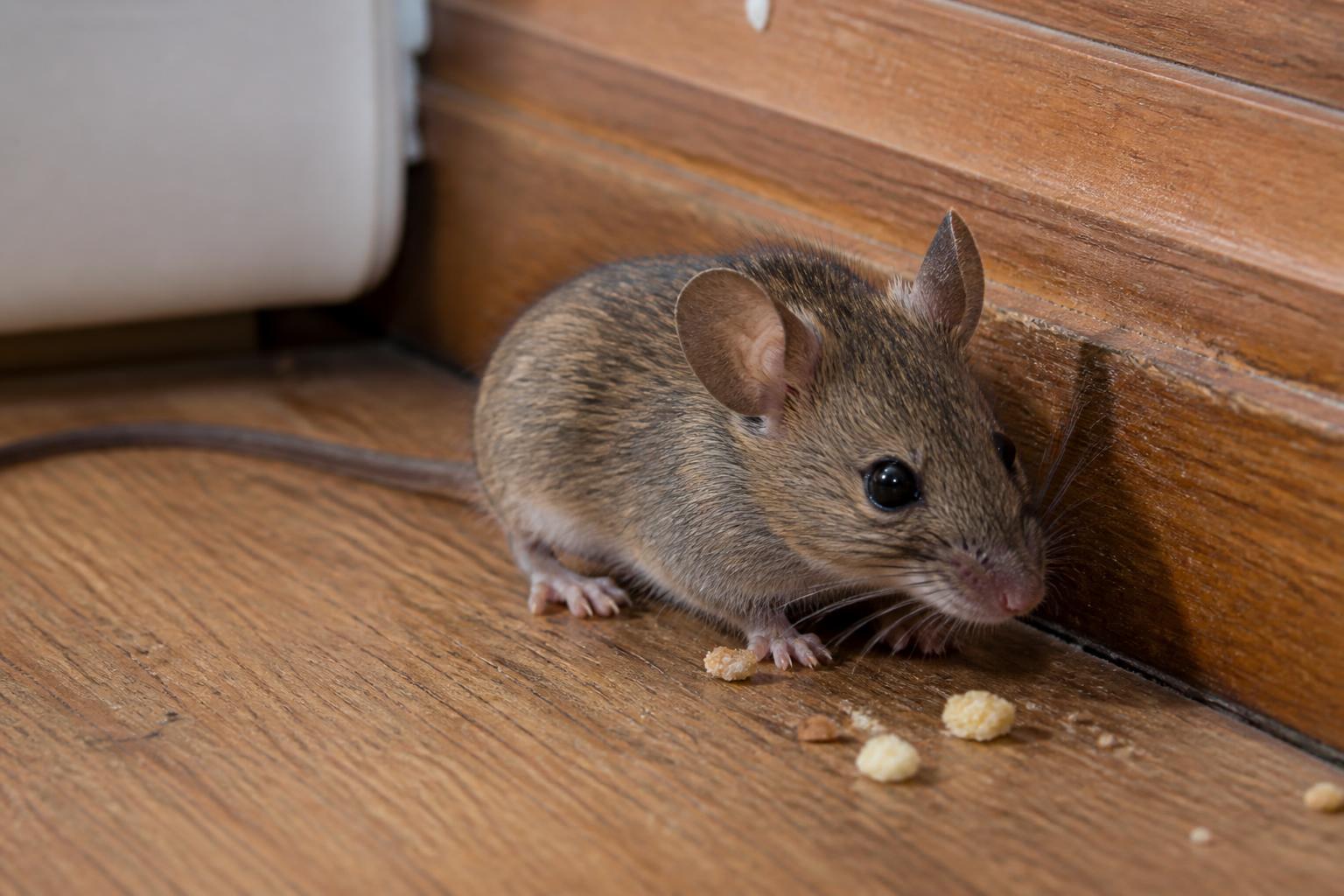
House mouse
Mus musculus
The most frequently reported indoor pest in UK homes — a small, curious rodent that exploits cavity walls, service risers and shared voids.
Quick facts
- Adult weight
- 12–30g
- Gap needed to enter
- 6mm
- Litters per year
- Up to 8
- Nightly feeding points
- 20–30
Also known as: Common house mouse
Species at a glance
Moderate risk- Scientific name
- Mus musculus
- Alternative names
- Common house mouse
- Average size
- 7–9cm body, tail about the same length
- Average weight
- 12–30g
- Activity
- Nocturnal
- Diet
- Primarily cereals and grain-based foods, supplemented by fats, sweets, pet food and crumbs. Mice feed in short frequent bursts rather than at one station, which is why single-point control routinely fails.
- Typical habitat
- Cavity walls, kitchen voids, lofts and boxed pipework
- Active season
- Year-round, peaking autumn to winter
Why the moderate risk rating: Widespread contamination from constant urination and droppings.
About the house mouse
The house mouse has lived alongside people longer than almost any other mammal, following the first grain stores out of the Near East and reaching Britain roughly 3,000 years ago. Unlike rats it is inquisitive rather than suspicious, which is why traps and bait are usually taken quickly. Mice rarely need to drink, obtaining most moisture from food, so a population can survive indefinitely inside a dry cavity wall.
- Diet
- Primarily cereals and grain-based foods, supplemented by fats, sweets, pet food and crumbs. Mice feed in short frequent bursts rather than at one station, which is why single-point control routinely fails.
- Breeding
- Sexually mature at 5–6 weeks. A female produces up to 8 litters a year of 4–8 young — a population can double in under a month indoors where warmth and food are constant.
- Lifespan
- Typically 9–12 months indoors.
How to identify it
- Body 7–10cm with a semi-naked tail roughly equal to body length
- Light brown to grey fur, large ears and prominent black eyes
- Adults typically 12–30g
- Droppings 3–6mm, dark, granular and scattered rather than clustered
Signs, behaviour and where they live
Signs of activity
- Small dark droppings along worktops, in drawers and under sinks
- A distinctive stale, musky ammonia smell in enclosed cupboards
- Shredded paper, insulation or fabric gathered into nests
- Light scratching in walls and ceilings, especially at night
- Gnawed food packaging, particularly cereals, rice and pet food
- Greasy runways along skirting boards in long-standing infestations
Behaviour
- Nocturnal, but readily active in quiet daytime areas
- Curious rather than neophobic — investigate new objects within hours
- Nibble little and often, visiting 20–30 feeding points a night
- Rarely travel more than 3–9 metres from the nest
- Squeeze through gaps as small as 6mm — the width of a pencil
Where you'll find them
- Cavity walls, sub-floor voids and boxed-in pipework
- Behind and beneath kitchen units, ovens and fridges
- Loft insulation, service risers and shared voids in converted flats
- Storage rooms, garages and food premises with accessible dry goods
Seasonal activity in Hertfordshire
Twelve-month activity profile for house mice, based on our Hertfordshire call-out records.
- JanJanuary: High activity
- FebFebruary: High activity
- MarMarch: Moderate activity
- AprApril: Moderate activity
- MayMay: Low activity
- JunJune: Low activity
- JulJuly: Low activity
- AugAugust: Low activity
- SepSeptember: Rising activity
- OctOctober: High activity
- NovNovember: High activity
- DecDecember: High activity
- Peak period
- October to February
- Right now
- Rising activity in September
Indoor populations peak through the heating season; mice already inside a cavity wall breed year-round regardless of the weather outside.
House mice typically become more noticeable from around now. Indoor populations peak through the heating season; mice already inside a cavity wall breed year-round regardless of the weather outside.
Current local data is limited. The status shown is based primarily on established seasonal behaviour across Hertfordshire. Last reviewed 1 July 2026.
See all Hertfordshire Pest Watch activityWhy house mice matter
Health risks
- Salmonella and Listeria contamination of food and preparation surfaces
- Leptospirosis and hantavirus, though rare in the UK
- Allergen and asthma triggers from urine, dander and droppings
- Contamination of stored food requiring costly disposal in commercial settings
Property damage
- Gnawed cabling behind appliances and in loft voids — a recognised fire risk
- Fouled insulation and stored goods
- Damage to soft furnishings, boxed archives and packaging
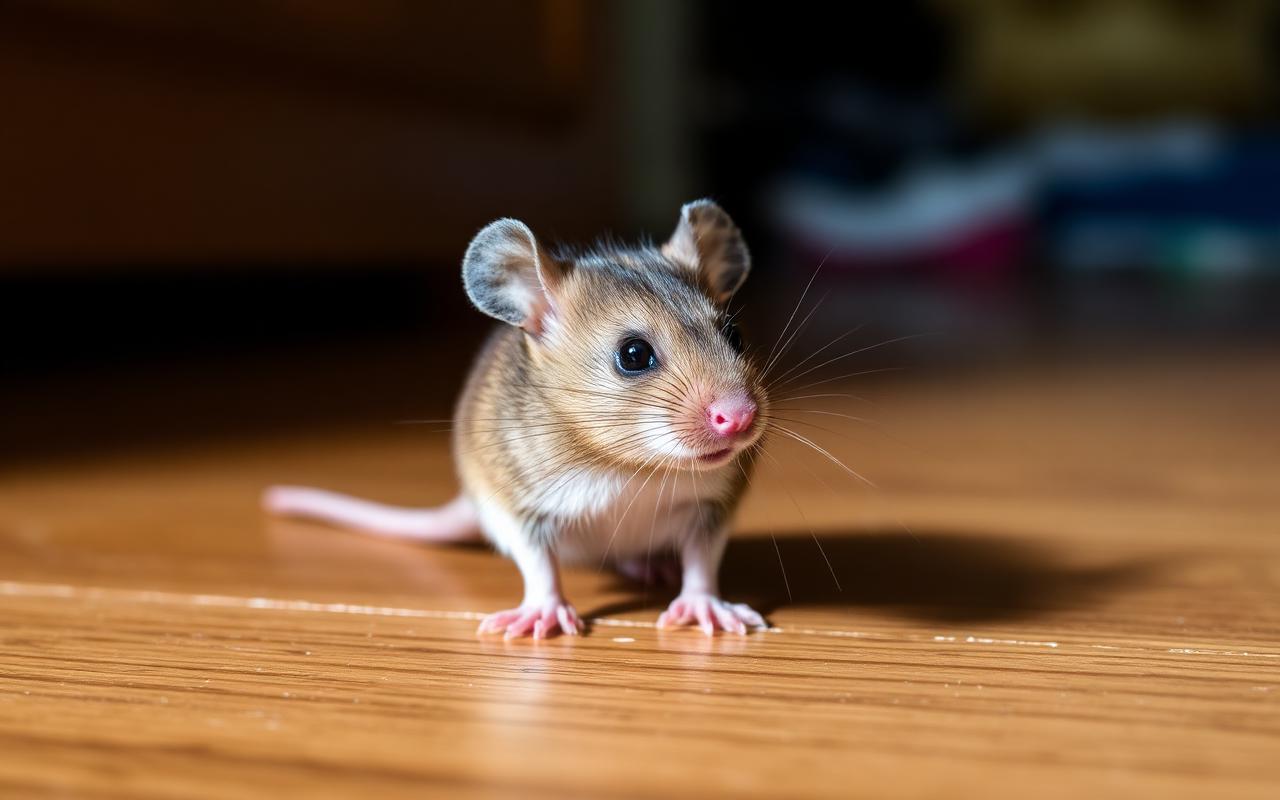
House mice across Hertfordshire
Across Hertfordshire, mice are most often reported in Victorian terraces, converted flats and food premises where shared voids let a single population feed several properties at once. St Albans, Watford and Hertford town centres see the highest concentration of flat-conversion cases.
What house mouse evidence looks like
Skirting gap access
Mouse using a kitchen skirting gap — a typical 6mm entry into a unit void.
Common misconceptions
Mice love cheese.
They strongly prefer cereals, chocolate and high-fat foods; cheese is one of the least effective trap baits.
One mouse means one mouse.
House mice are social and breed rapidly — a single sighting almost always indicates an established group in a void.
A clean house won't get mice.
Cleanliness reduces food availability but does nothing about a 6mm gap at a pipe entry. Structure matters more than housekeeping.
Prevention and professional treatment
How to prevent them
- Seal gaps over 6mm around pipework, cabling, airbricks and door thresholds
- Fit brush or bristle strips to external doors
- Store dry goods and pet food in rigid sealed containers
- Keep appliance voids clean — crumbs behind an oven sustain a colony
- In flats, treat shared voids collectively; single-flat treatment rarely holds
How we treat them
- Inspection of every likely harbourage: units, appliance voids, risers and loft
- Multi-point trapping and/or secured bait reflecting mouse feeding behaviour
- Proofing of all identified entry points with rodent-proof materials
- Follow-up visits to confirm zero activity and remove equipment
- Documented service record with photographs and proofing recommendations
House mouse questions, answered
The questions our technicians are asked most often about house mice in Hertfordshire.
Ask anything about the house mouse
This assistant is reading the house mouse profile with you — there's no need to say which pest you mean. Answers are educational and evidence-based.
Questions are recorded anonymously so we can improve HPE Knowledge. No personal data is stored.
Related content in HPE Knowledge
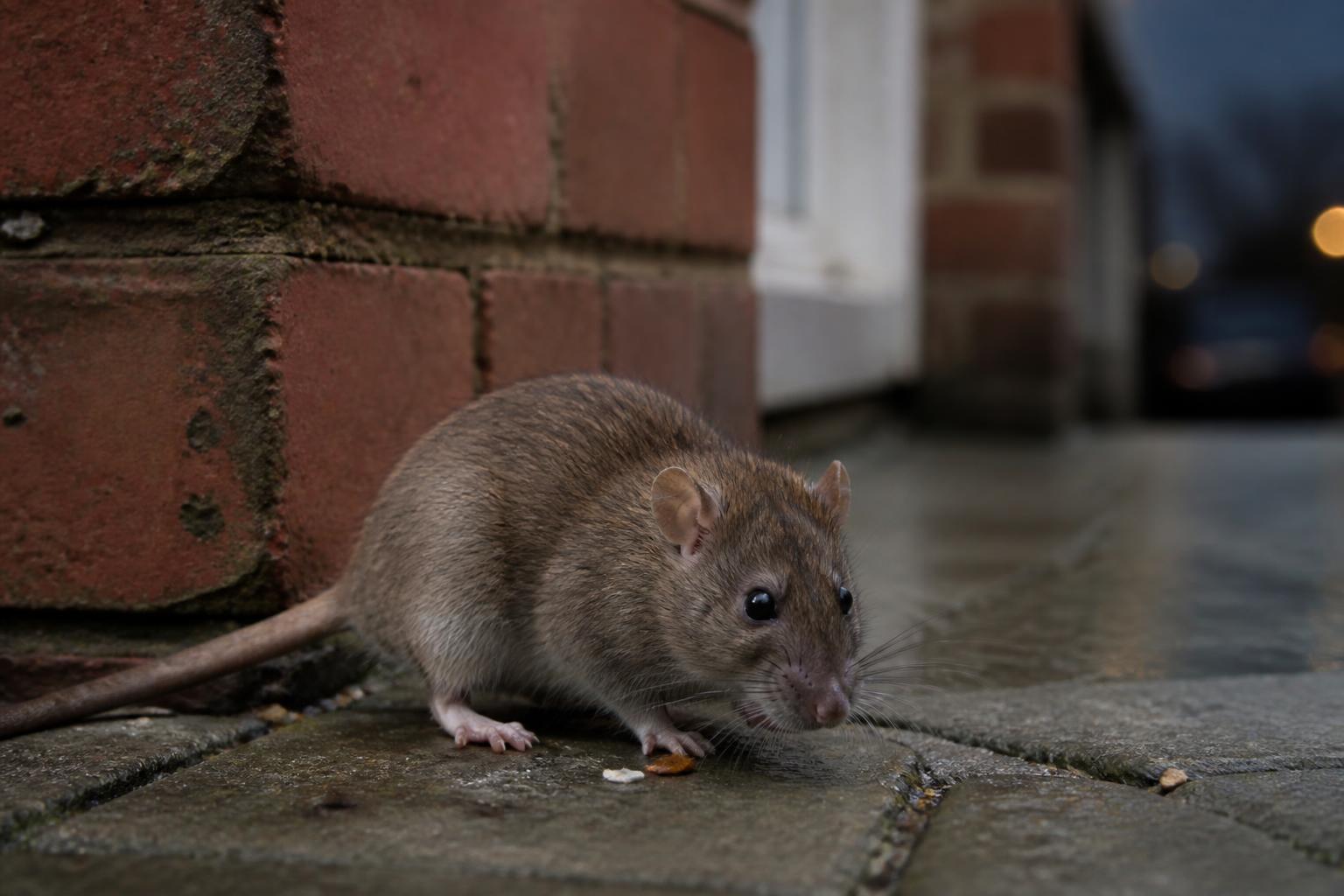
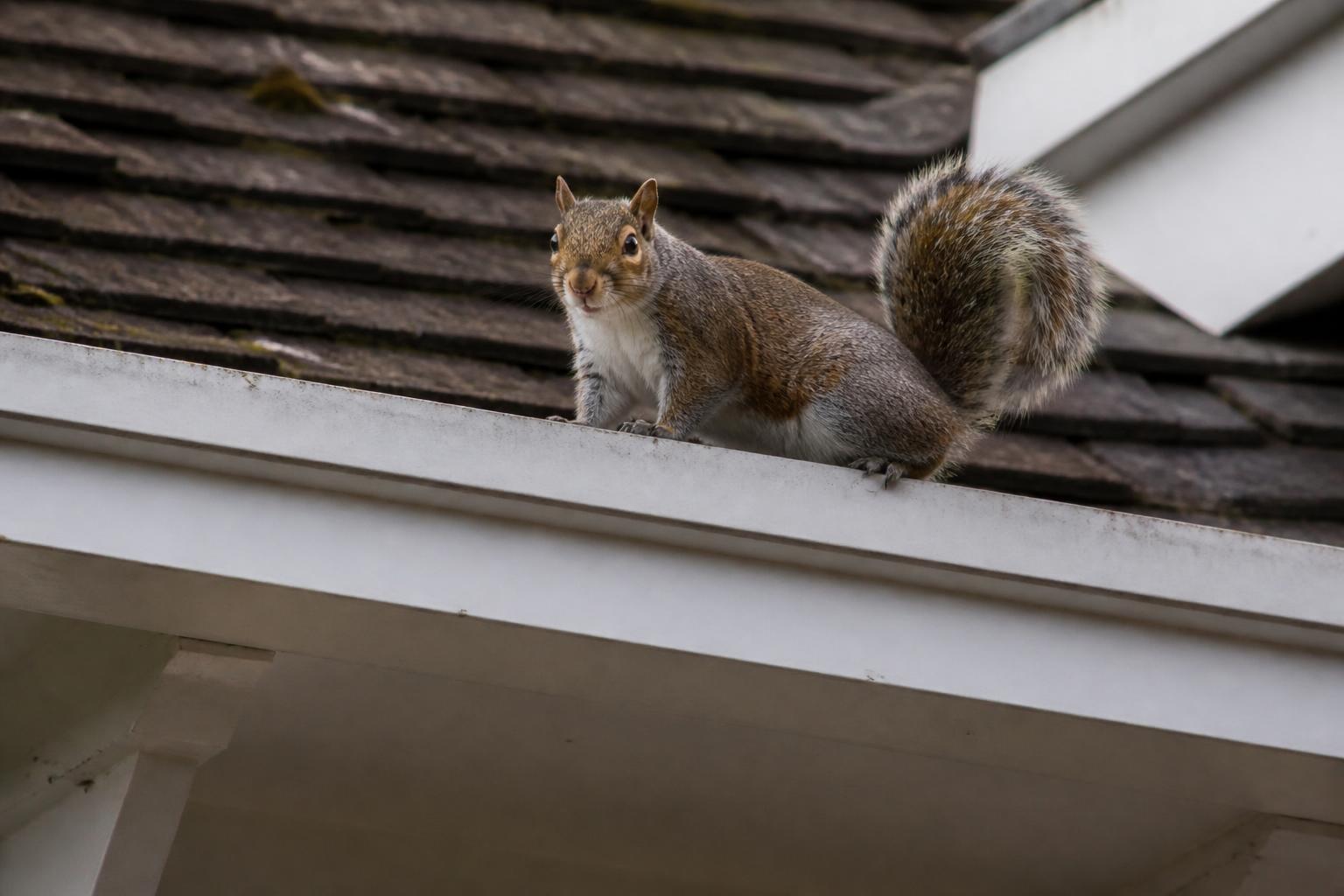
Related species
Related services
Related knowledge
- Prevention guidePractical proofing and housekeeping steps for this species.
- AI Pest IdentifierNot sure what you have? Describe it and get an identification.
- Hertfordshire Pest WatchSeasonal activity across Hertfordshire, reviewed by our technicians.
- Treatment LibraryDocumented treatments and case studies from real jobs.
- Evidence GalleryLabelled field photography showing exactly what to look for.
- Professional Service RecordsSigned, time-stamped records issued after every visit.
Helpful next steps
Professional treatment
Speak to a technician about house mice at your property. Fixed price confirmed after a brief inspection.
View treatment optionsView evidence gallery
Labelled field photography showing exactly what the signs look like in a real property.
See the evidenceBrowse the Treatment Library
Documented case studies from treatments carried out across Hertfordshire.
Open the libraryAsk HPE Knowledge
Put a question directly to our house mouse assistant and get an evidence-based answer.
Ask a questionCheck CoverageMaps Pro
Confirm we cover your town, village or postcode and see local activity.
Check coverageContact Hertfordshire Pest Experts
Prefer to talk it through? Call the team or send the details of what you have found.
Get in touchOr head back to the HPE Species Library to compare species.