Professional pest control equipment laid out ready for a service visit
Inside HPE

The equipment we use

Equipment is not a shopping list. Each item below exists because it changes what we can find, what we can reach, or what we can prove.

Why it matters

Most failed pest treatments fail for one of two reasons: the technician could not see the harbourage, or the treatment never reached it. The equipment we carry is chosen to close both of those gaps.

The monitoring equipment does something else again. It converts a treatment from an assertion into a record — the temperature log, the photographs and the signed service record all exist so you are not asked to take our word for it.

Inspection

High-output inspection lighting

Focused, high-CRI lighting used to read surfaces at an oblique angle.

Bed bug spotting, rodent smears and insect cast skins are almost invisible under room lighting. Raking light across a seam or skirting is what turns a suspicion into a finding.

  • Bed frame and mattress seams
  • Skirting, sub-floor and loft voids
  • Kitchen equipment gaps

Borescope and void camera

A slim camera used to see inside voids, cavities and headboards without dismantling them.

It lets us confirm harbourage in a place we cannot open up, rather than guessing and treating blind.

  • Wall and floor voids
  • Divan bases and headboards
  • Boxed pipework and kitchen plinths

Heat treatment

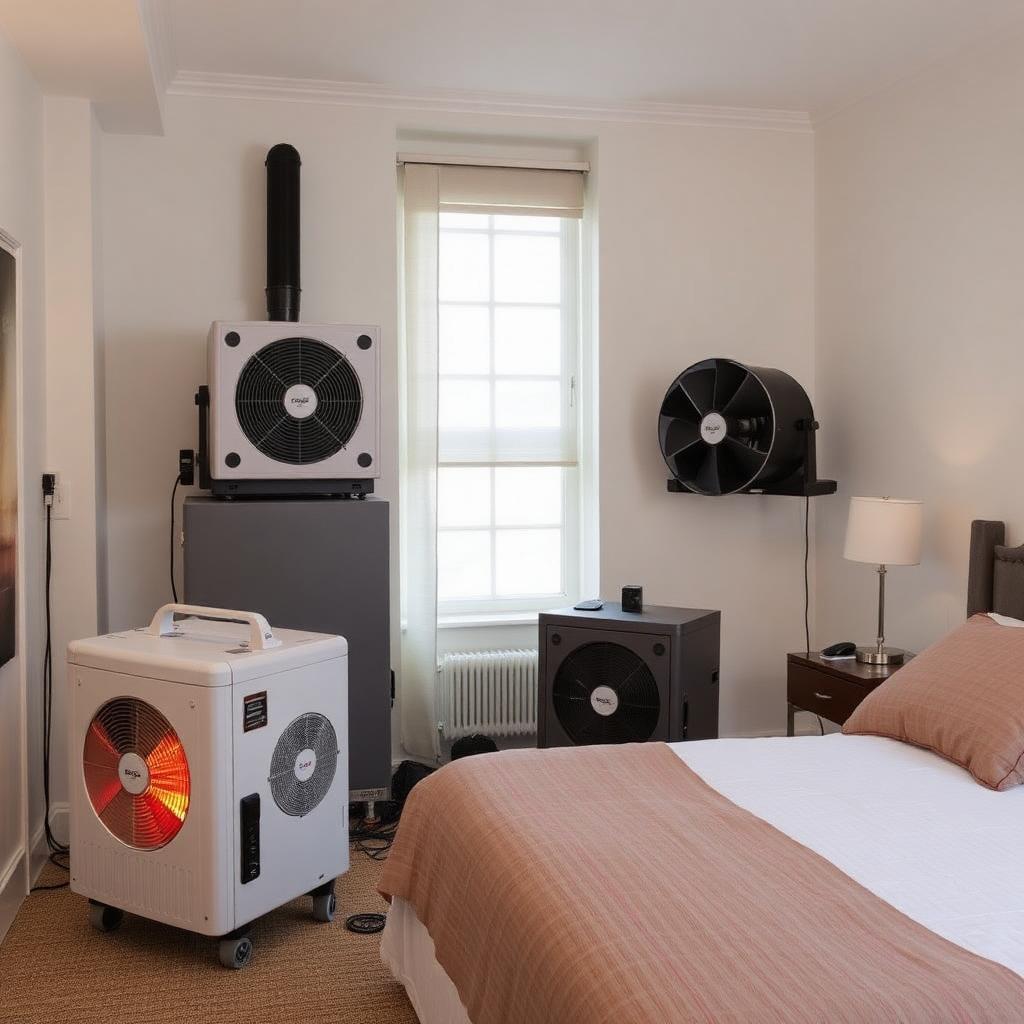
Professional bed bug heat treatment equipment

Electric heat treatment plant

Purpose-built heaters that raise a room to a lethal temperature and hold it there.

Heat reaches bed bugs and eggs inside furniture, skirting and fabric where a surface spray never will. It is the reason a heat treatment can resolve an infestation in a single day.

  • Bed bug heat treatments
  • Whole-room and whole-property programmes

Air movers

High-volume fans that circulate heated air through the whole room.

Without forced circulation, heat stratifies at ceiling level and cold pockets survive behind furniture — which is where the insects are.

  • Driving heat into voids
  • Eliminating cold spots behind and beneath furniture

Monitoring

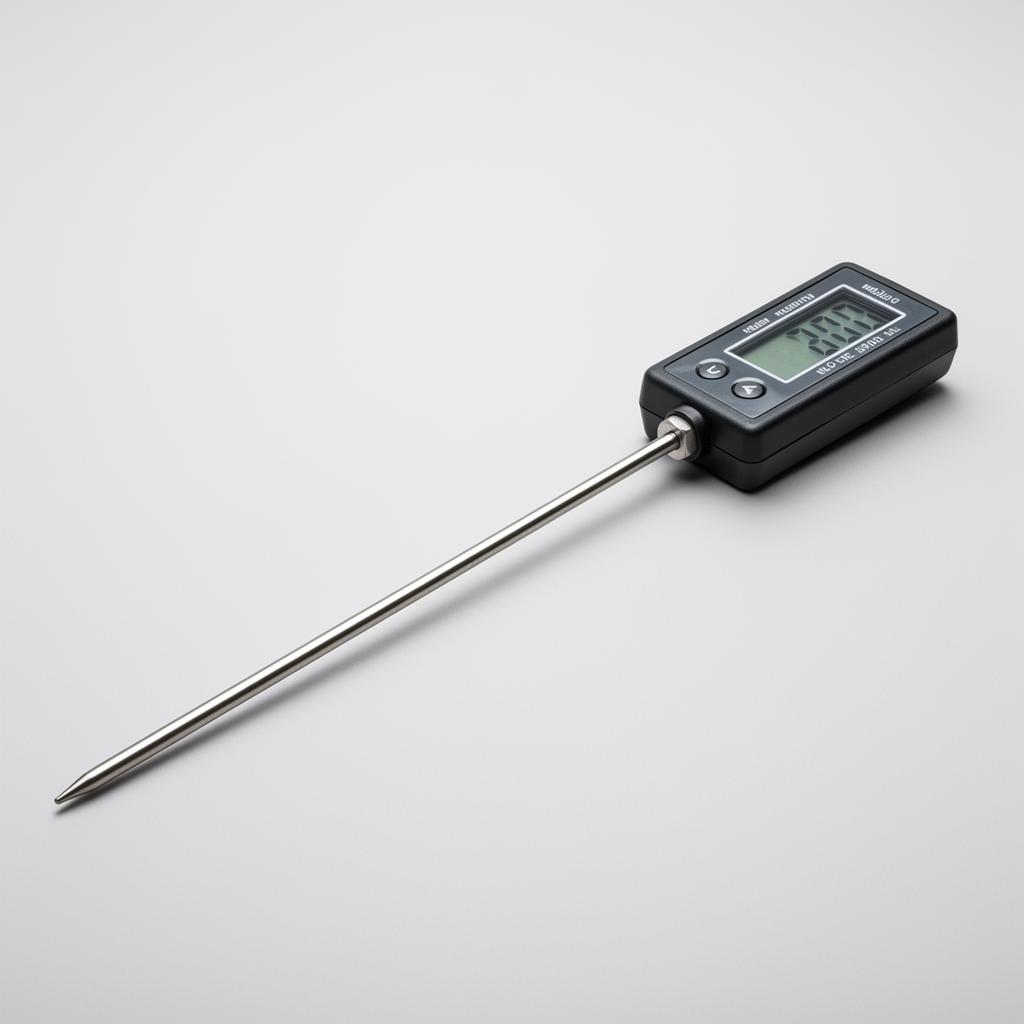
Wireless temperature probe positioned in a room during heat treatment

Wireless temperature probes

Multiple remote sensors placed in the hardest-to-heat positions in each room.

The probe in the coldest place decides when a treatment is finished — not the air temperature and not the clock.

  • Under beds and inside divans
  • Wardrobe bases and skirting lines
  • Behind heavy furniture
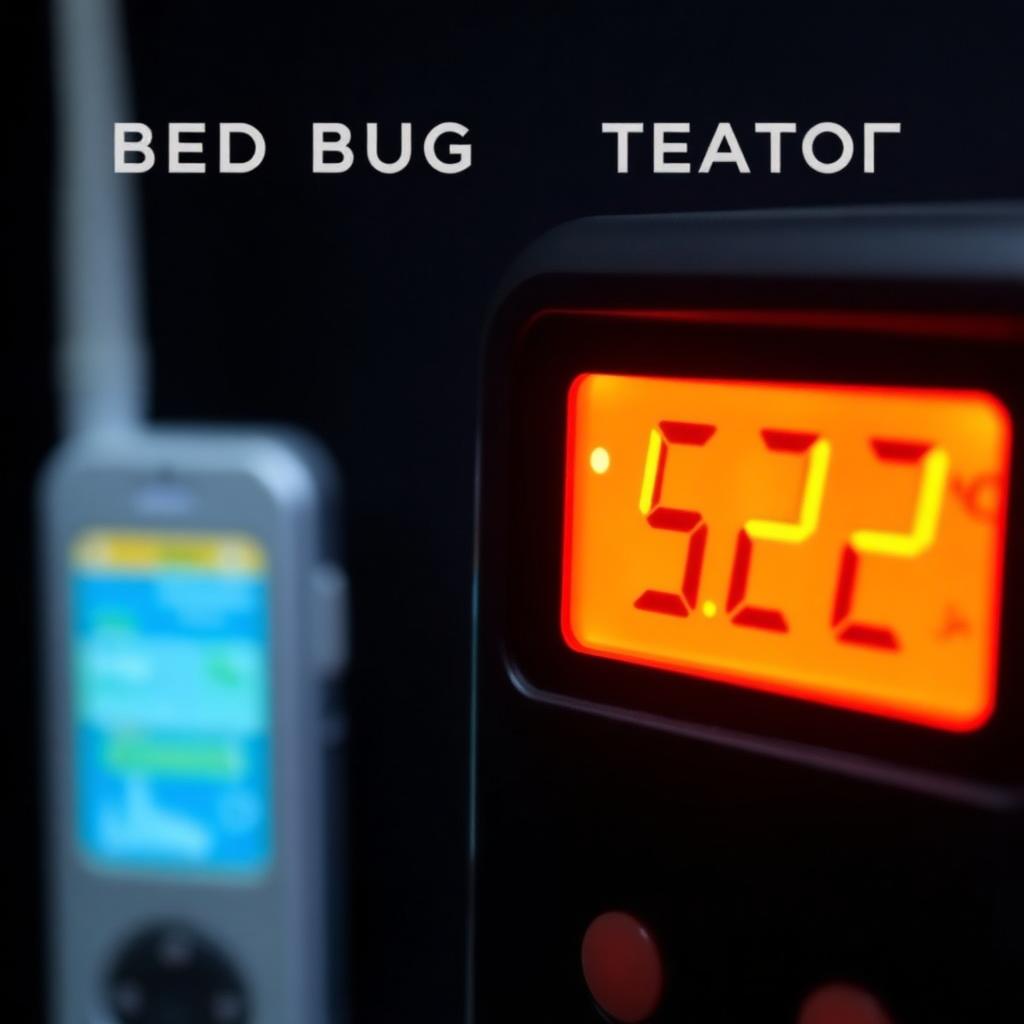
Temperature monitor display showing live room readings during a heat treatment

Live monitoring display and data log

A live readout of every probe, logged for the duration of the treatment.

The log is the evidence. It shows what each position reached and for how long, and it is retained with the job record.

  • Live control during treatment
  • The temperature record issued afterwards

Treatment application

Calibrated application equipment

Professional sprayers, dust applicators and bait equipment used at label rates.

Calibration means the correct amount is applied in the correct place — effective where it is needed and no more than that.

  • Residual treatments
  • Crack and crevice work
  • Rodent bait placement in secured points

Tamper-resistant bait stations

Lockable, keyed stations that secure rodenticide away from children, pets and wildlife.

Anything placed at a property must be secure, recorded and recoverable. Loose bait is never acceptable.

  • Domestic rodent programmes
  • Commercial site perimeters

Proofing

Proofing materials and tooling

Steel mesh, brush strip, sealants, netting and fixings used to close entry points.

Treatment removes what is there now. Proofing is what stops it coming back, and it is the part most often skipped elsewhere.

  • Rodent entry points
  • Bird proofing to eaves, ledges and roof voids
  • Sub-floor and service penetrations

Documentation

Body-worn camera

Used in line with our published body-worn camera policy to record the work carried out.

It protects both the customer and the technician, and it means what happened during a visit is a matter of record rather than recollection.

  • Documented inspections
  • Evidence of findings and completed work
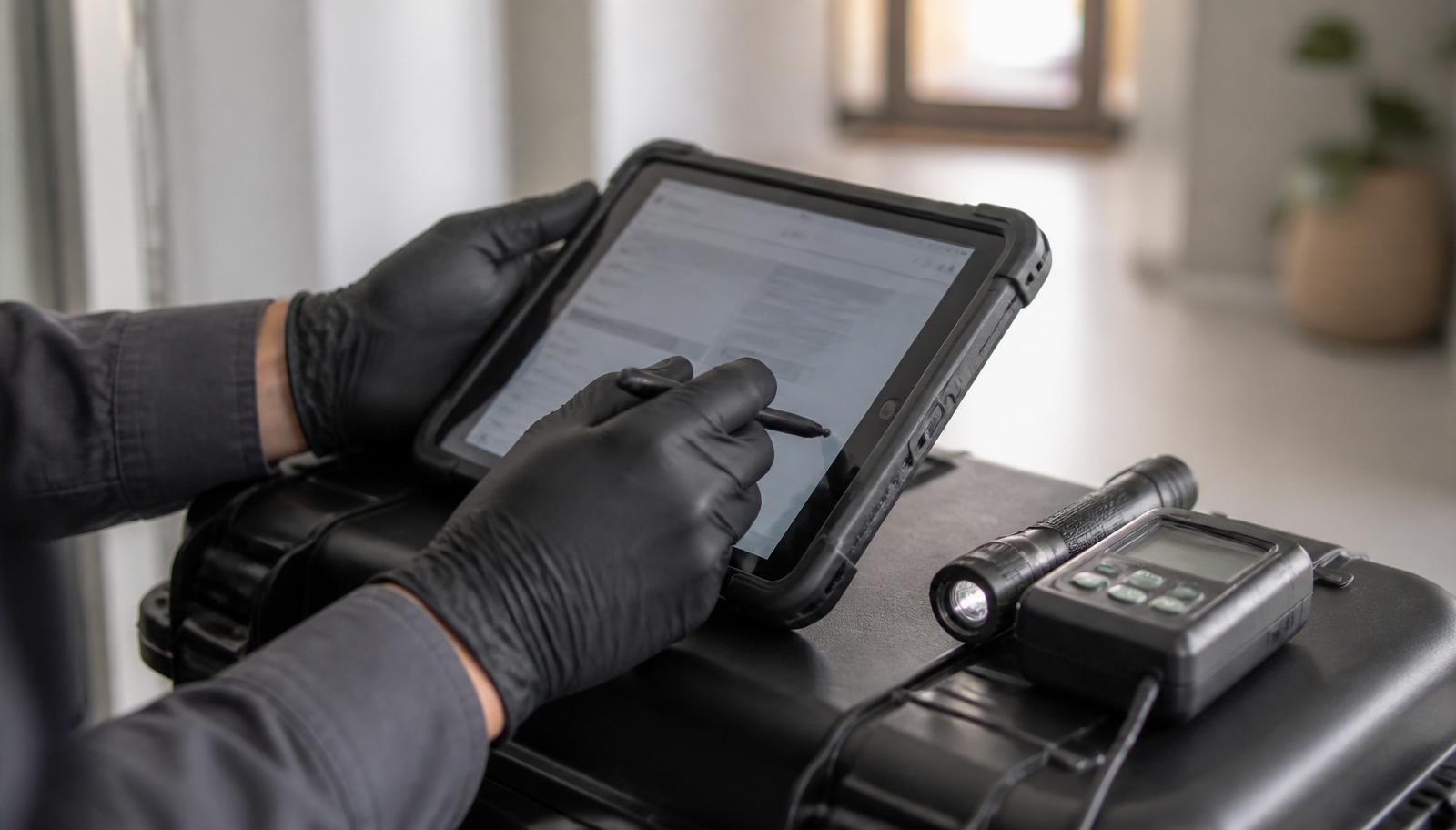
Technician completing a digital treatment report on a rugged tablet beside inspection equipment

On-site reporting device

Findings, photographs, readings and signatures captured at the property.

The record is written while the technician is standing in the room, not reconstructed later from memory.

  • Service records
  • Photographic evidence
  • Customer sign-off

Protection and safety

Personal protective equipment

Respiratory protection, gloves, coveralls and eye protection matched to the task.

It protects the technician and prevents cross-contamination between properties.

  • Fouling and nest clearance
  • Insecticide application
  • Confined and dusty voids

Want to see the rest of how we work?

01727 601 007
Loading page views…
Call WhatsApp Book Online